About Panama · About the country
History of Panama
The country that changed the course of world history
Some countries became important because they were rich. Others because they were vast. Panama became one of the most influential countries in the world for a different reason: because of where nature placed it.
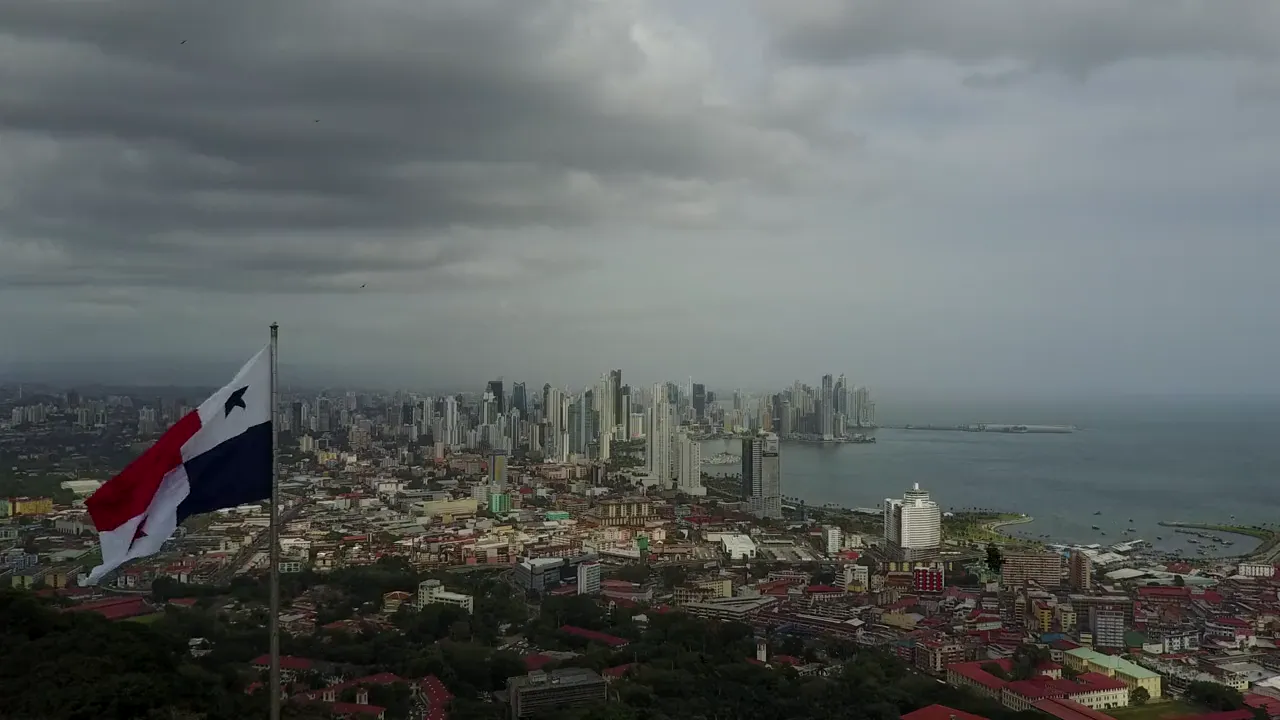
Panama lies at the narrowest point between North and South America, and it has always been more than a tropical destination. It is a bridge between continents, oceans and cultures, and in time between the world's largest economies as well. Its history is one of indigenous civilizations and explorers, gold and pirates, empires, engineers and dreamers. Few places on Earth have seen so much history unfold on such a small strip of land.
Who lived in Panama before the Europeans?
Long before Europeans arrived, the isthmus was home to thriving indigenous cultures. It was inhabited by the communities from which today's Guna, Emberá, Ngäbe and Buglé are descended, and more than a thousand years ago the Gran Coclé culture flourished in the center of the country — its craftsmen became renowned for their gold ornaments and painted ceramics.
Unlike the Maya or the Inca with their vast stone cities, Panama's civilizations took shape around rivers, forests and coastlines. The gold, fine ceramics and ceremonial objects unearthed by archaeologists tell of skilled artisans and active traders.
Panama joined two continents, and so it became one of the first crossroads of the Americas. Long before international shipping, people were already carrying goods, ideas and traditions across the isthmus.
Indigenous peoples remain an important part of Panamanian identity today. They preserve languages, traditions and lands that are many centuries old.
How Europeans discovered Panama and the Pacific Ocean
In 1501 the Spaniard Rodrigo de Bastidas became the first European to sail along most of Panama's Caribbean coast. A year later, in 1502, Christopher Columbus arrived here on his fourth voyage.
Neither of them ever fully understood what he had found. Europe was looking for a western route to Asia — and found a narrow strip of land between two enormous oceans.
And then came a moment that changed world history. In September 1513 Vasco Núñez de Balboa crossed the impenetrable jungle of the isthmus and became the first European to see the Pacific Ocean from the American shore. He named it the South Sea.
From a mountain ridge an endless blue horizon opened before him — and Balboa grasped the essential point: the Atlantic and the Pacific are separated by only a relatively short journey overland.
That discovery shaped Panama's destiny for centuries to come.
The Spanish Empire's Road of Gold
Soon after Balboa's expedition, Panama became one of Spain's most valuable colonies. Not because much gold was mined here, but because almost all the treasure of South America passed through it.
Gold and silver from Peru were shipped north by sea to Panama City. From there mule trains carried enormous loads across the isthmus to the Caribbean coast, where the treasure was awaited by Spanish galleons bound for Europe.
The route was called the Camino Real — the Royal Road. For more than two centuries Panama was the financial artery of the Spanish Empire: millions of silver coins, priceless artifacts and precious metals crossed this narrow land bridge.
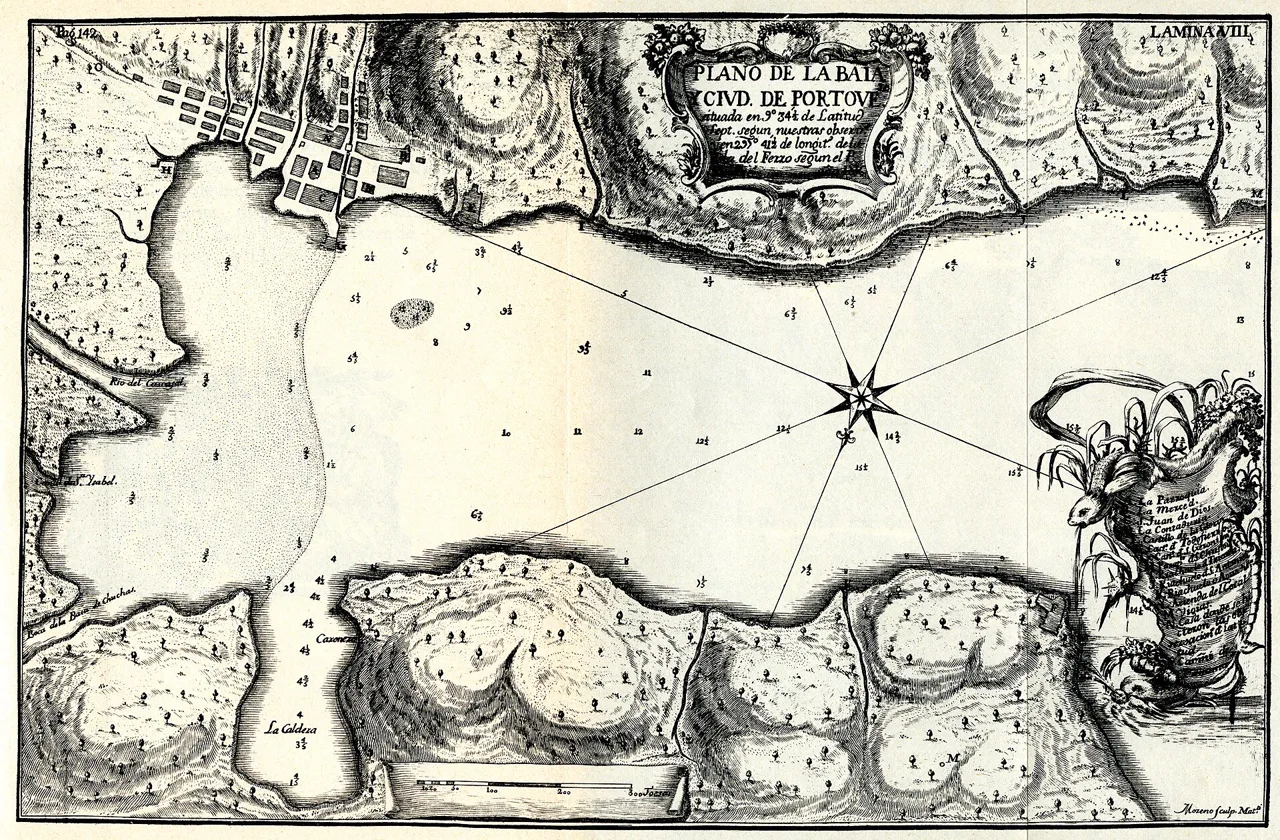
Where wealth moves, danger follows.
Pirates, privateers and legends
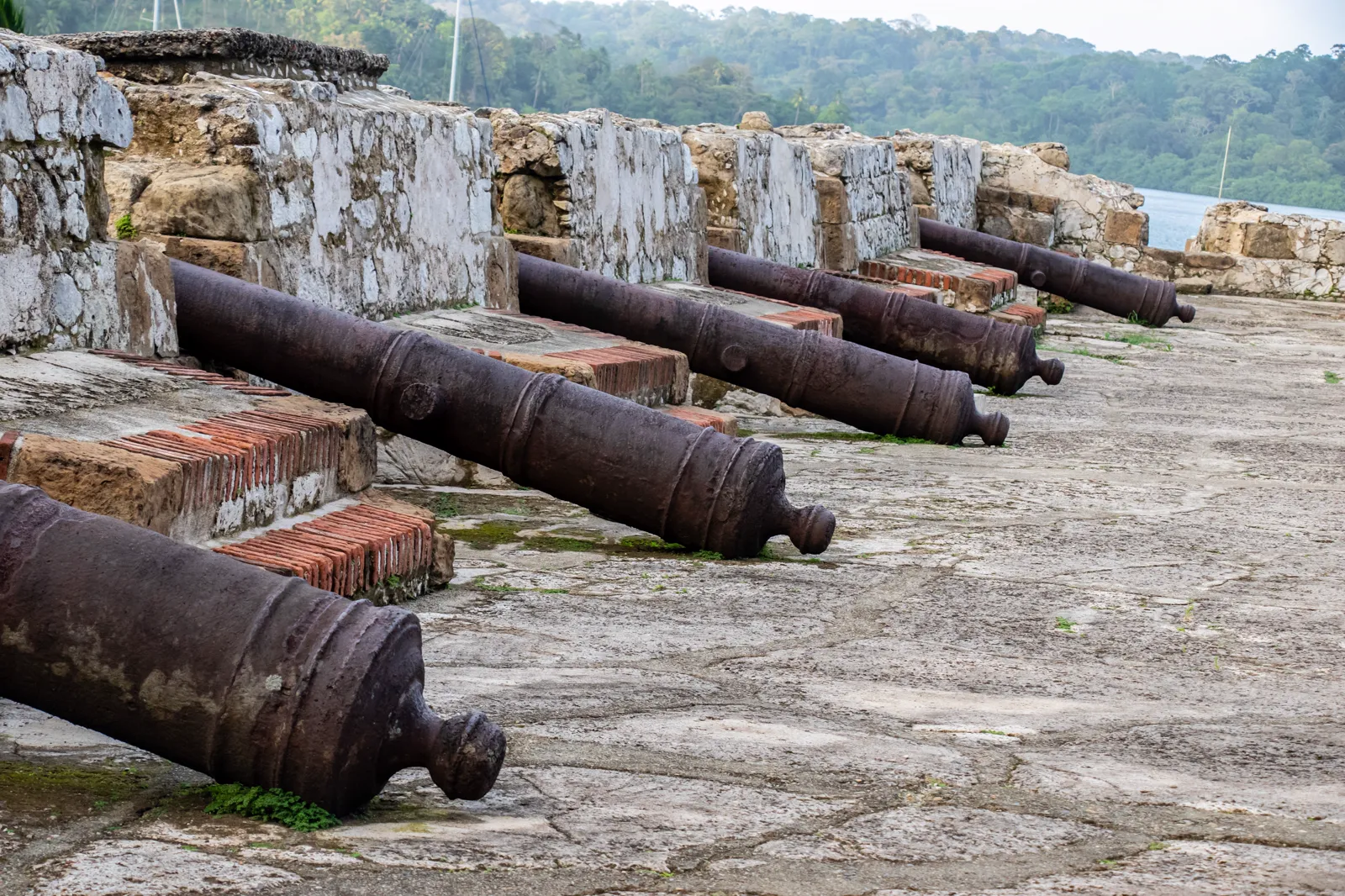
The flow of treasure drew the most famous pirates in history. Henry Morgan. Francis Drake. Countless privateers and buccaneers hunted Spanish ships and raided settlements along Panama's shores.
The most famous episode took place in January 1671. Henry Morgan led one of the largest pirate expeditions ever assembled — about 1,400 men — through the jungle and attacked the first Panama City. The city burned. Who set it alight is still debated: according to accounts of the time, the Spaniards themselves started the fire so that the city would not fall into the pirates' hands intact.
The ruins of Panamá Viejo still stand, a reminder that one of the richest cities in the Americas once rose on these shores.
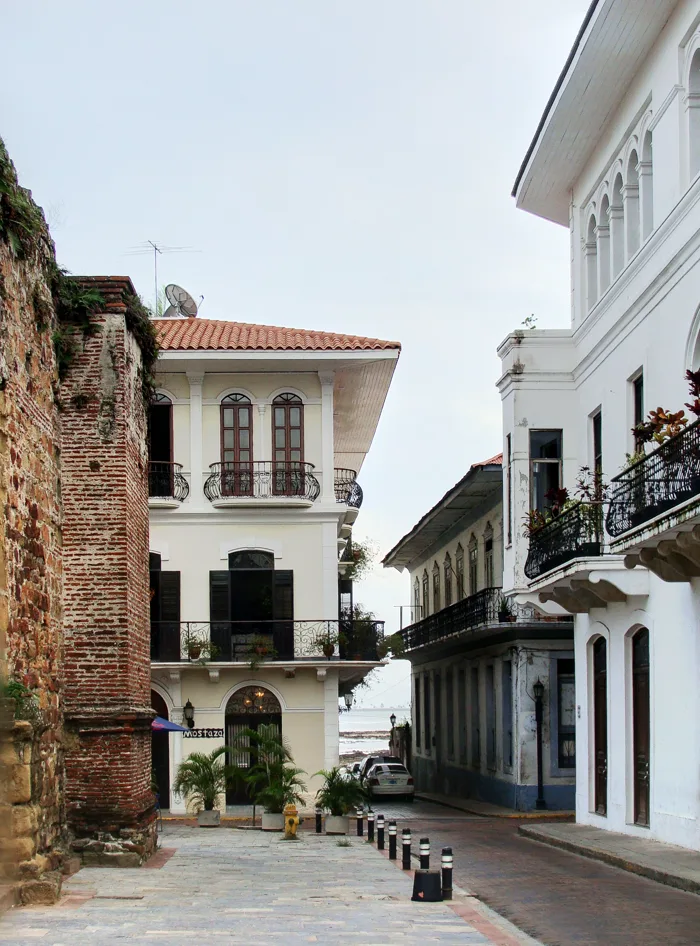
After the attack, a new Panama City was built a few kilometers away, on a better-defended peninsula. This historic district, Casco Viejo, is one of the most beautiful in the country; together with the ruins of Panamá Viejo it is on the UNESCO World Heritage List.
Walk its narrow streets and it is easy to imagine merchants, soldiers, monks and pirates crossing paths here centuries ago.
Independence from Spain and union with Colombia
As Spain's power in Latin America began to wane, Panama's fortunes started to change too. In 1821 it declared independence from Spain.
But it did not become a state in its own right: Panama voluntarily joined Gran Colombia, the federation created by Simón Bolívar. After the federation broke up, it remained part of Colombia for almost the entire 19th century.
Yet geography went on deciding its fate. The world understood ever more clearly that whoever controls Panama controls one of the most important transport corridors on Earth.
The dream of joining two oceans
For centuries explorers dreamed of linking the Atlantic and the Pacific with a canal. The idea seemed all but impossible.
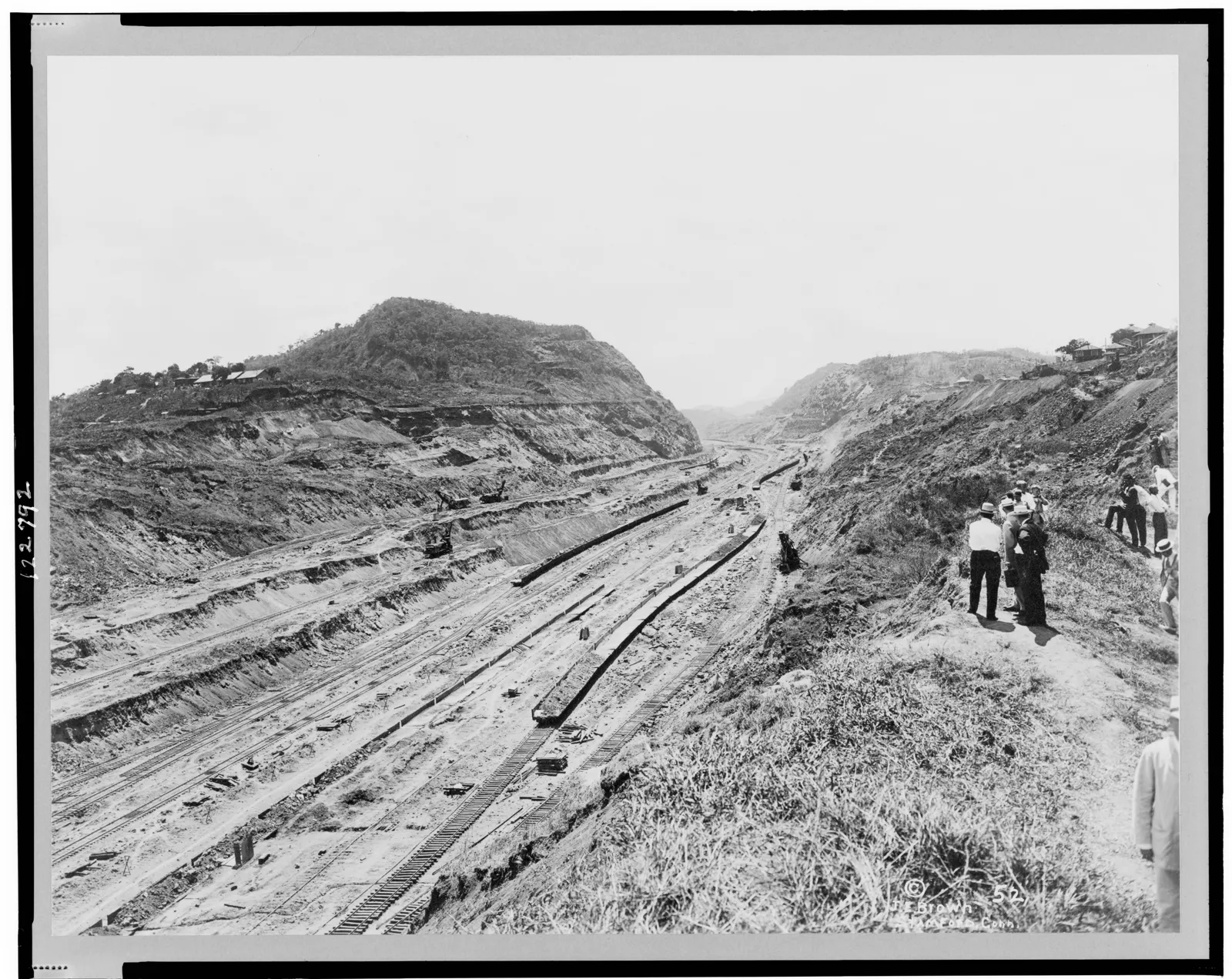
The first to take it on were the French, in the 1880s, led by Ferdinand de Lesseps — the engineer who had successfully built the Suez Canal. But Panama proved to be an entirely different matter.
- Impenetrable jungle
- Mountains
- Tropical downpours
- Landslides
- Malaria
- Yellow fever
Thousands of workers died, and the French project ended in financial disaster. Many concluded that the canal could not be built.
They were wrong.
How modern Panama was born
In 1903 Panama declared independence from Colombia. The new state soon signed agreements under which the United States carried on the construction of the canal.
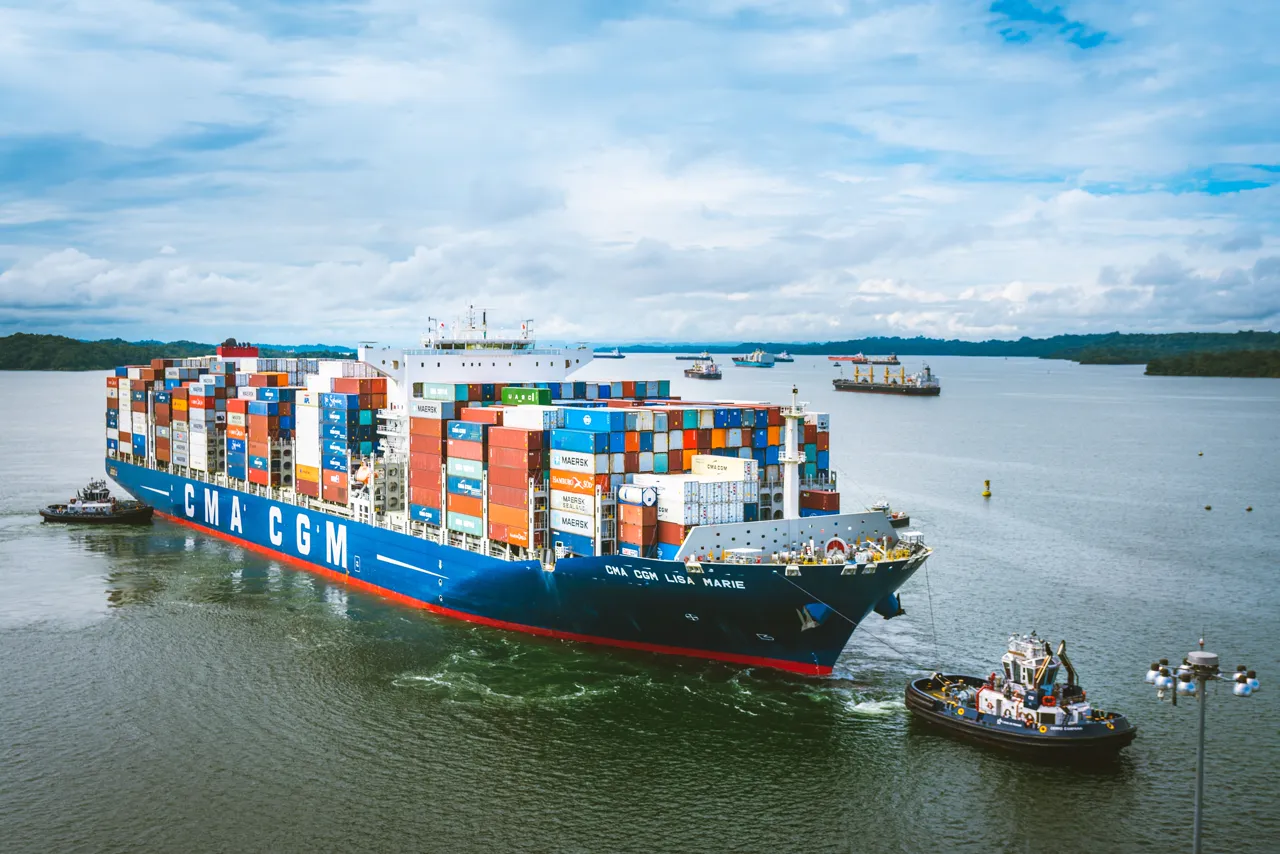
The canal became one of humanity's greatest feats of engineering. It opened in 1914 — and world trade changed overnight. Ships no longer had to round Cape Horn at the southern tip of South America: routes became thousands of kilometers shorter, trade sped up, and entire industries reorganized themselves.
Panama became one of the most strategically important countries in the world. Few infrastructure projects have changed the global economy so dramatically.
The Panama Canal: why here, and what it changed
Geography: why here
Panama is one of the narrowest stretches of land between two oceans: along the canal route it is about 80 kilometers from shore to shore. Nature itself suggested the key engineering solution: the Chagres River was dammed, and the artificial Gatun Lake came into being.
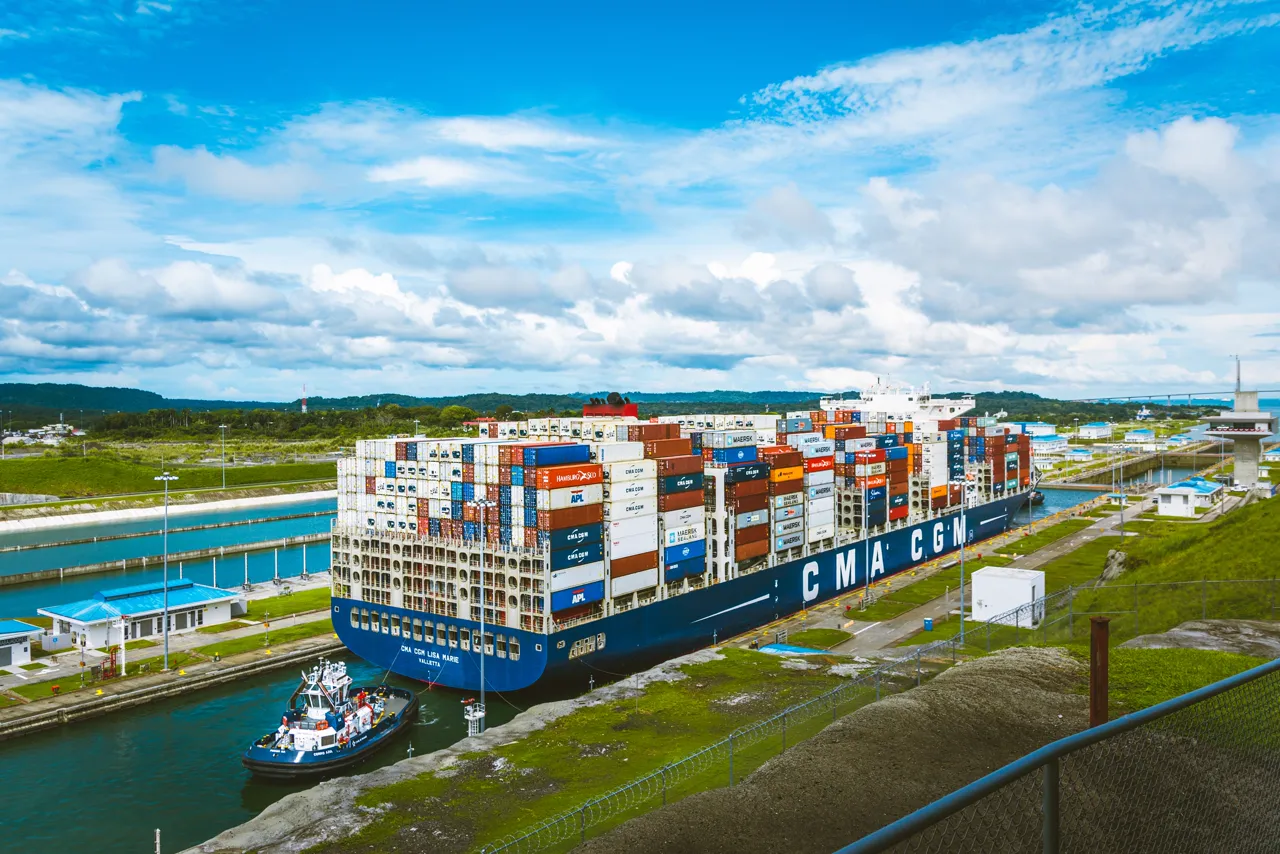
Locks raise ships 26 meters above sea level. For most of the way vessels travel across a freshwater lake, and then descend to the other ocean. That is why the canal depends not only on engineers but also on the tropical rains that fill the lake.
Politics: why the United States, and why 1903
At the turn of the century Washington was debating two routes — through Nicaragua and through Panama. Panama's advocates, among them Philippe Bunau-Varilla, a former engineer of the French company, got their way: in June 1902 Congress passed the Spooner Act and authorized the purchase of the French company's assets for 40 million dollars.
It remained to reach an agreement with Colombia. In January 1903 the Hay–Herrán Treaty was signed: 10 million dollars up front and 250,000 a year for a strip of land for the canal. The Colombian Senate did not ratify it — the sum seemed too small. On November 3, 1903, Panama declared independence with the support of the United States.
As early as November 18 the Hay–Bunau-Varilla Treaty was signed. It was signed on Panama's behalf by the Frenchman Bunau-Varilla, who had not set foot on the isthmus for the previous 17 years. The United States received “in perpetuity” a strip extending five miles on either side of the canal — the Canal Zone, with its own laws.
Economy: before and after
Before the canal, the wealth of the isthmus rested on transit — first of Spanish silver, then of gold seekers and the Panama Railroad. The canal turned transit into a permanent economy: ports, logistics, trade, banks and services grew up around it.
In 1948 the Colón Free Zone was established — the largest free trade zone in the Americas. But for almost the entire 20th century the country's principal asset belonged to another power: the Canal Zone cut Panama in two, and the question of sovereignty became central to national politics — right up to the events of January 9, 1964, and the Torrijos–Carter Treaties of 1977.
The canal in Panama's hands
On December 31, 1999, the canal passed entirely to Panama. It is run by the state-owned Panama Canal Authority. In 2006 the country decided the canal's future for itself in a referendum: 77.8% of those who voted backed the construction of new locks. The expanded canal opened in 2016.
The former Canal Zone returned to the country and became one of the main resources for its development. New districts have grown up where the military bases once stood: the former Howard air base became Panama Pacifico, and Fort Clayton became the City of Knowledge. For the real estate market, this is one of the most visible changes of recent decades.
From canal country to global business hub
In the 20th century Panama moved far beyond the canal. The country built one of the strongest financial sectors in Latin America, and its banking industry grew rapidly.
The canal is still one of the country's greatest assets, but it is no longer the only engine of its growth.
Today Panama is an international center for logistics, finance, aviation, shipping, multinational companies and world trade.
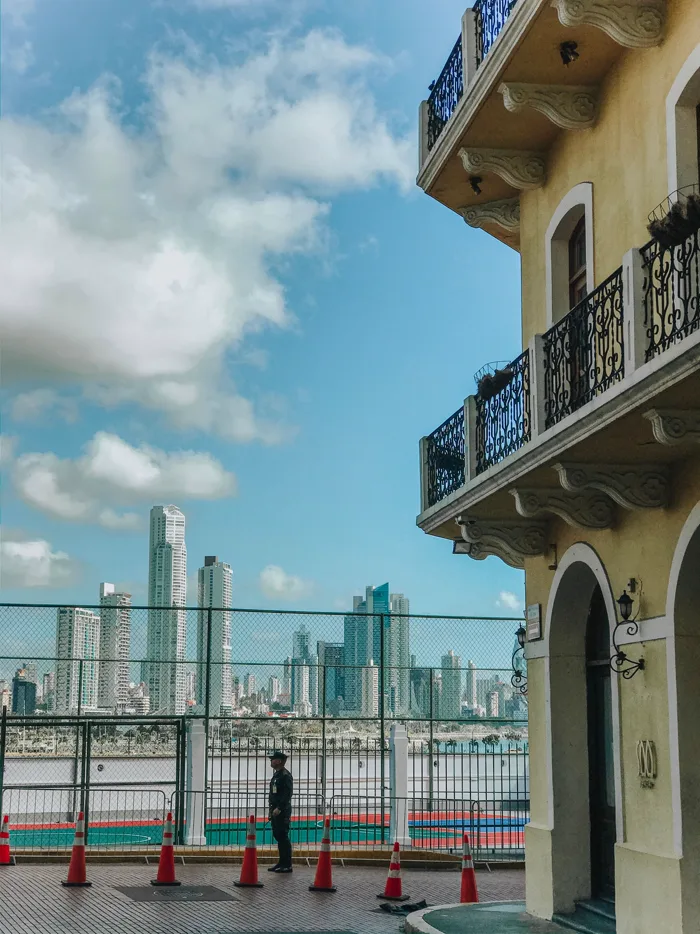
Its modern skyline surprises many first-time visitors: residential towers above the Pacific Ocean, luxury marinas along the waterfront — and international business side by side with historic quarters more than three hundred years old.
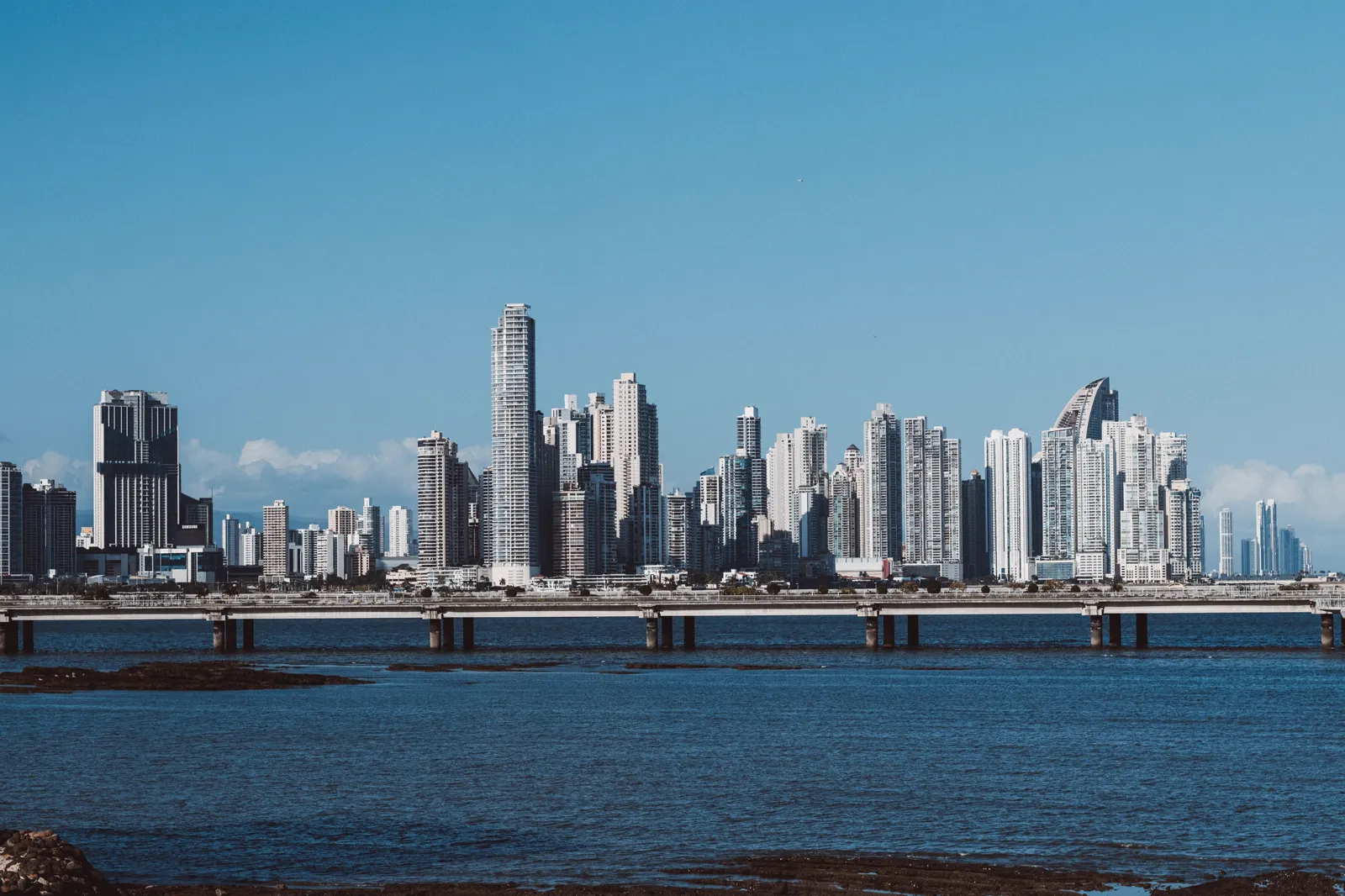
Why Panama attracts investors
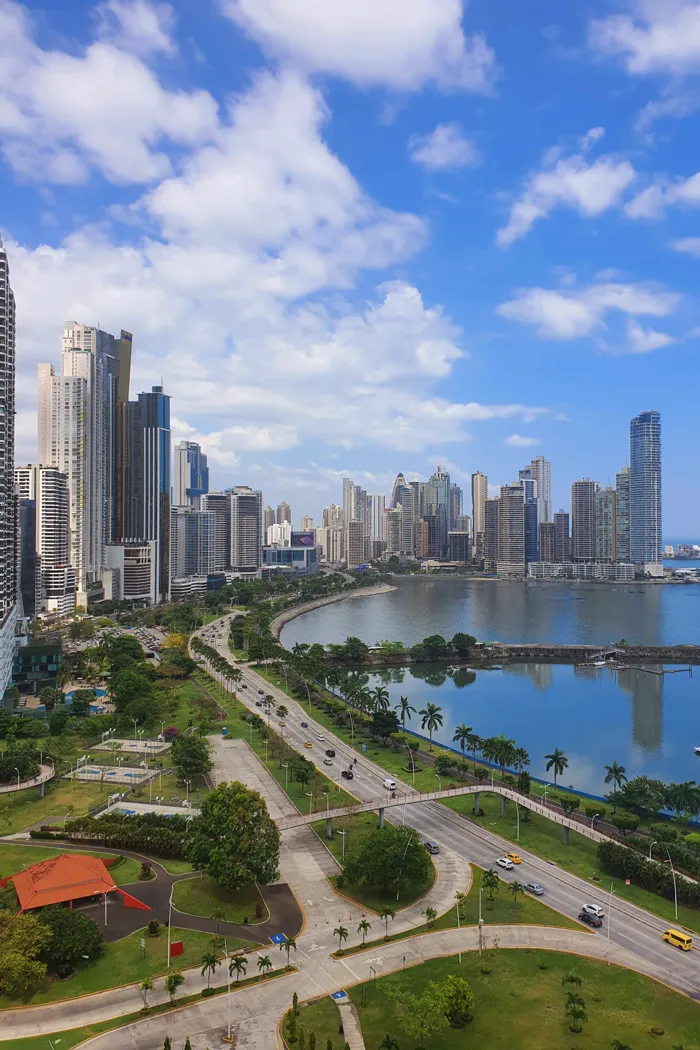
History explains why Panama has become one of Latin America's most attractive destinations for investment and for buying real estate.
Real estate investors see in Panama a combination of political stability, growing infrastructure, international demand and a limited supply of waterfront land — the conditions that have historically supported long-term growth in property values.
- Its strategic location continues to generate business opportunities.
- The US dollar circulates alongside the balboa — a monetary stability that is rare for the region.
- Modern infrastructure links North and South America.
- International companies open their regional headquarters here.
- Retirees value the climate, the healthcare and the lifestyle.
- Entrepreneurs value the country's global connectivity.
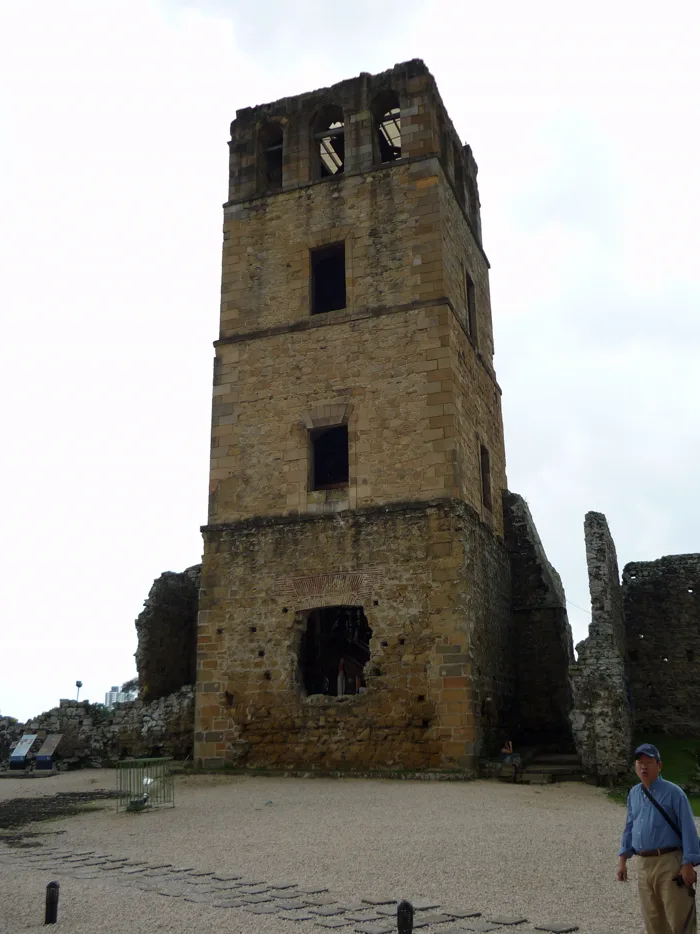
A walk through history
One remarkable thing about Panama is that history is always close at hand.
In a single day you can wander the ruins of a city destroyed by pirates, stroll along restored colonial streets, watch giant container ships make their way through the Panama Canal — and end the evening among skyscrapers that rival those of many world capitals.
Few countries join five centuries of history to the ambitions of the 21st century so naturally.
Panama is not simply a place where history once happened. It is a country where history goes on shaping everyday life: every road, every harbor and every silhouette on the horizon tells the same story.
For more than five hundred years Panama has connected the world — and that connection remains its greatest strength.