About Panama · About the country
The Culture of Panama
Where continents, oceans and traditions meet
Panama is usually described through its geography: a bridge between the Americas, a gateway between the Atlantic and the Pacific, the country of the canal and of world trade. But to understand Panama through maps and logistics alone is to miss a great deal. This is a country where cultures have met and mingled for centuries — and the result is something entirely its own.
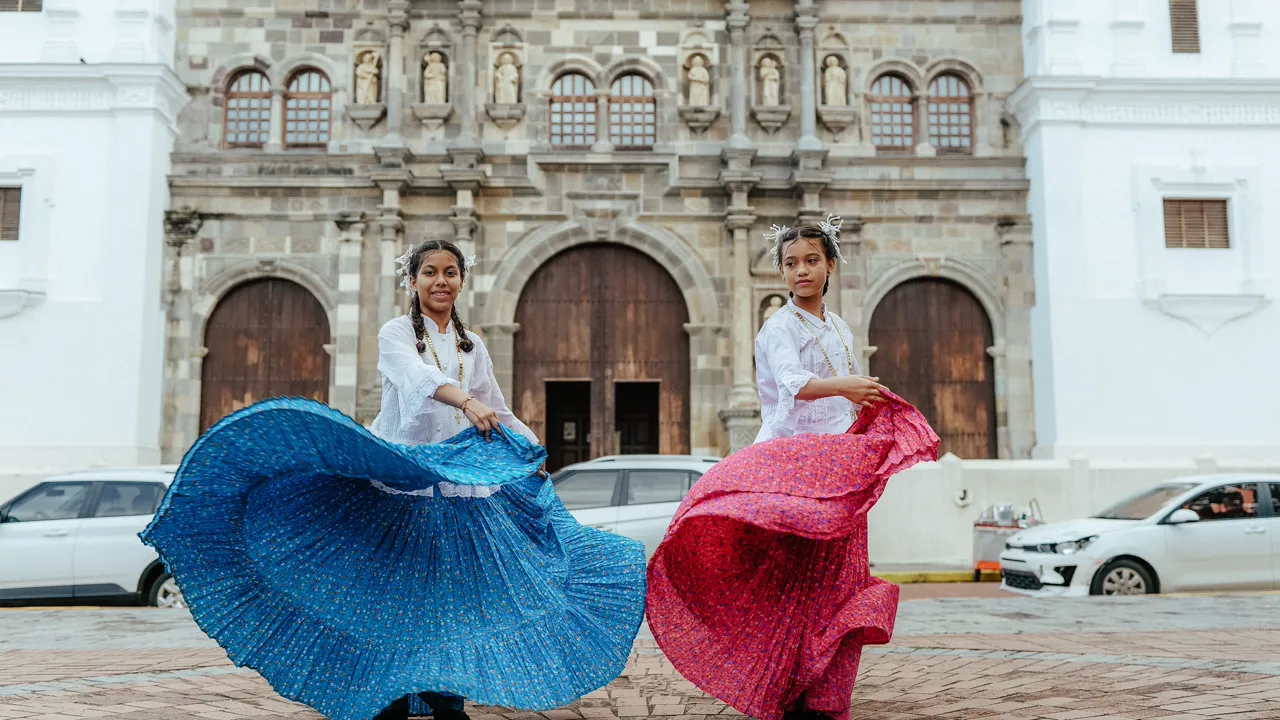
The culture of Panama is vivid, musical, generous and wonderfully varied. It holds the memory of the indigenous peoples, the rhythm of the Caribbean, Spanish colonial traditions, African heritage and the energy of a modern international center. For travelers, investors and anyone thinking about life in Panama, the culture is one of the country's great discoveries.
Why is Panama's culture so varied?
The culture of Panama is the product of movement. Long before Europeans arrived, the isthmus was home to indigenous peoples with their own languages, customs, art and beliefs. The Guna, Emberá, Ngäbe, Buglé and other peoples remain an inseparable part of Panamanian identity today.
Then came Spain — with its language, Catholic traditions, colonial architecture and a new social order. African heritage wove itself deep into the music, the cuisine, the dances and the life of communities.
The building of the Panama Railroad, and later of the canal, brought workers here from the islands of the Caribbean, from Europe, China, India and many other lands. Each wave left something behind: recipes, rhythms, words, surnames, entire neighborhoods and its own way of seeing the world.
That is why Panama is so unlike many countries of Latin America: it is Latin American, Caribbean, indigenous, colonial and global all at once.
What does Panama sound like?
Music is the shortest route to Panama's soul. Traditional Panamanian music brings together Spanish melodies, African drums and local stories.
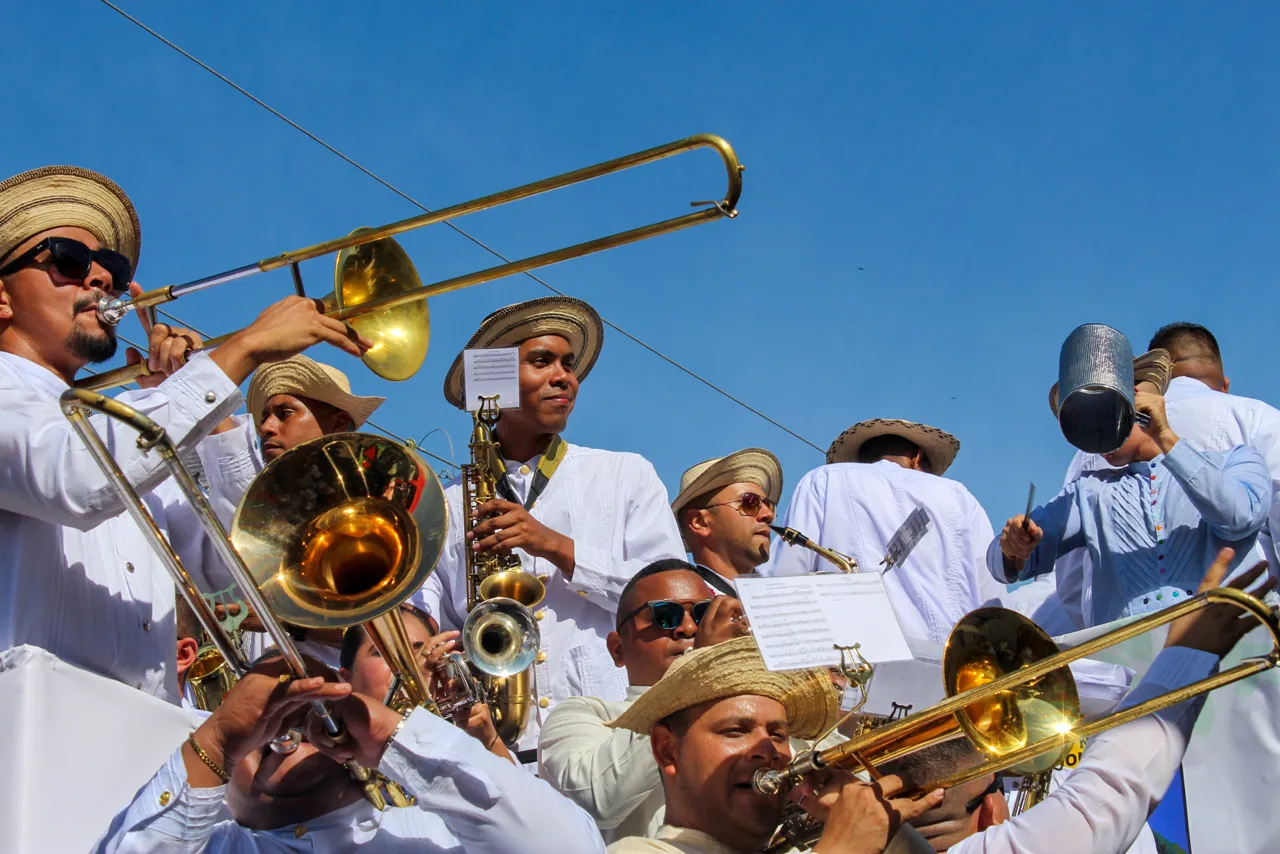
The tamborito is the country's foremost folk dance: drums, handclaps, call-and-response singing and the flowing movements of the couples. It is not merely a performance but a celebration for the whole community. In the provinces of Panama's interior, folk music is still heard at weddings, festivals, national holidays and family gatherings.
Panama also has a strong Caribbean musical soul: salsa, calypso, reggae en español and urban music. The Panamanian singer Rubén Blades became one of the stars of world salsa — his “Pedro Navaja” of 1978 is known all over Latin America.
Panama also played an important part in the birth of reggae en español, and then of reggaeton. Long before reggaeton became a global industry, Panamanian artists were carrying Jamaican dancehall over into Spanish — and built a bridge that influenced the music of an entire continent.
Today the nightlife of Panama City reflects that diversity: in a single evening you can hear salsa and electronic music, live jazz and Caribbean rhythms, and spend time on a rooftop overlooking the bay and in a small neighborhood bar.
Pollera and montuno: folk costume as art
Few things in Panama inspire as much admiration as the pollera — the traditional women's dress worn for holidays and national celebrations.
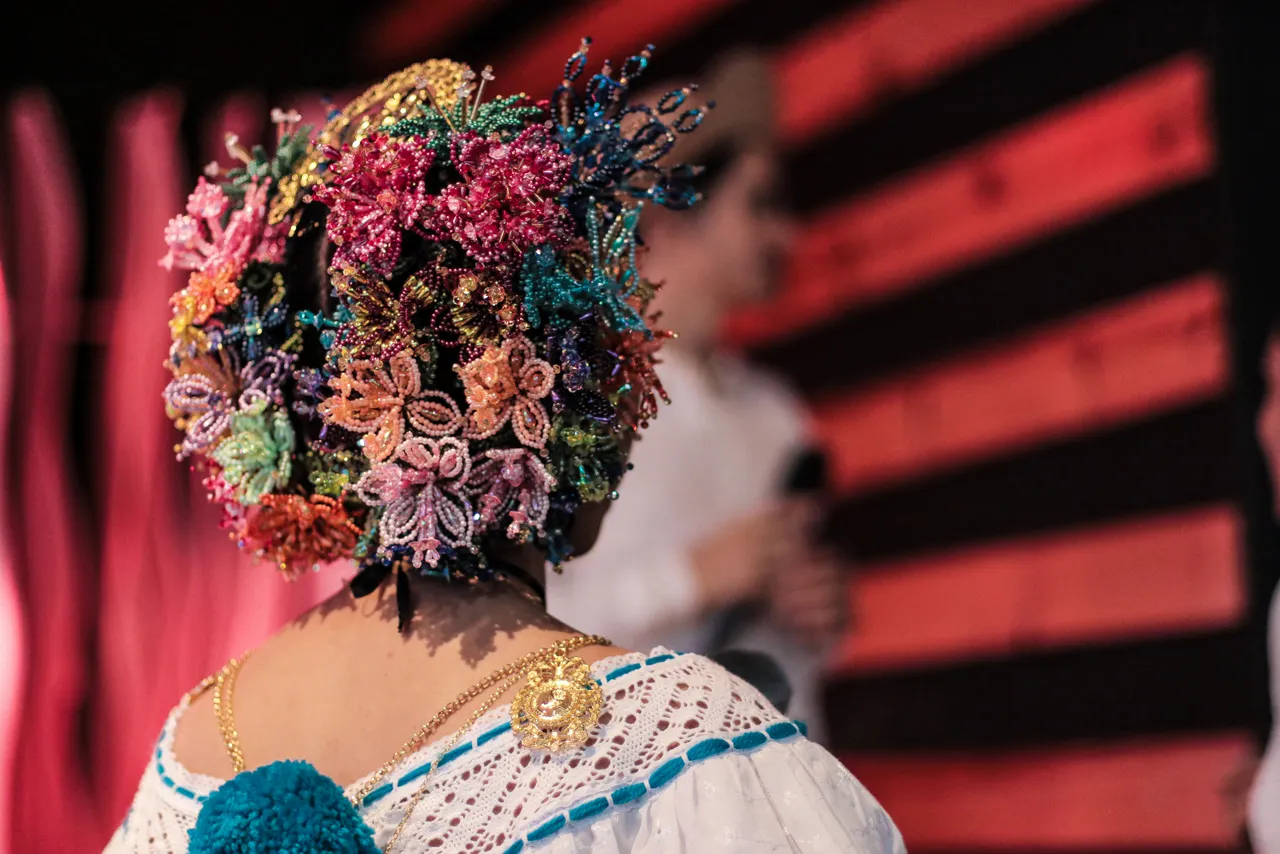
It is sewn by hand, richly embroidered, and adorned with lace, gold jewelry and flowers. Artisans work on a full gala pollera for months, and it becomes a family heirloom handed down from generation to generation.
It is not just clothing. It is a national art.
The men's folk costume, the montuno, is simpler but no less symbolic: a white embroidered shirt, dark trousers and a traditional hat.
Together, the pollera and the montuno embody the rural heart of Panama — above all the central provinces, where folk traditions have been best preserved. On national holidays, at parades and festivals, the streets turn into moving galleries of color, music and pride.
Carnival, November and other festivals
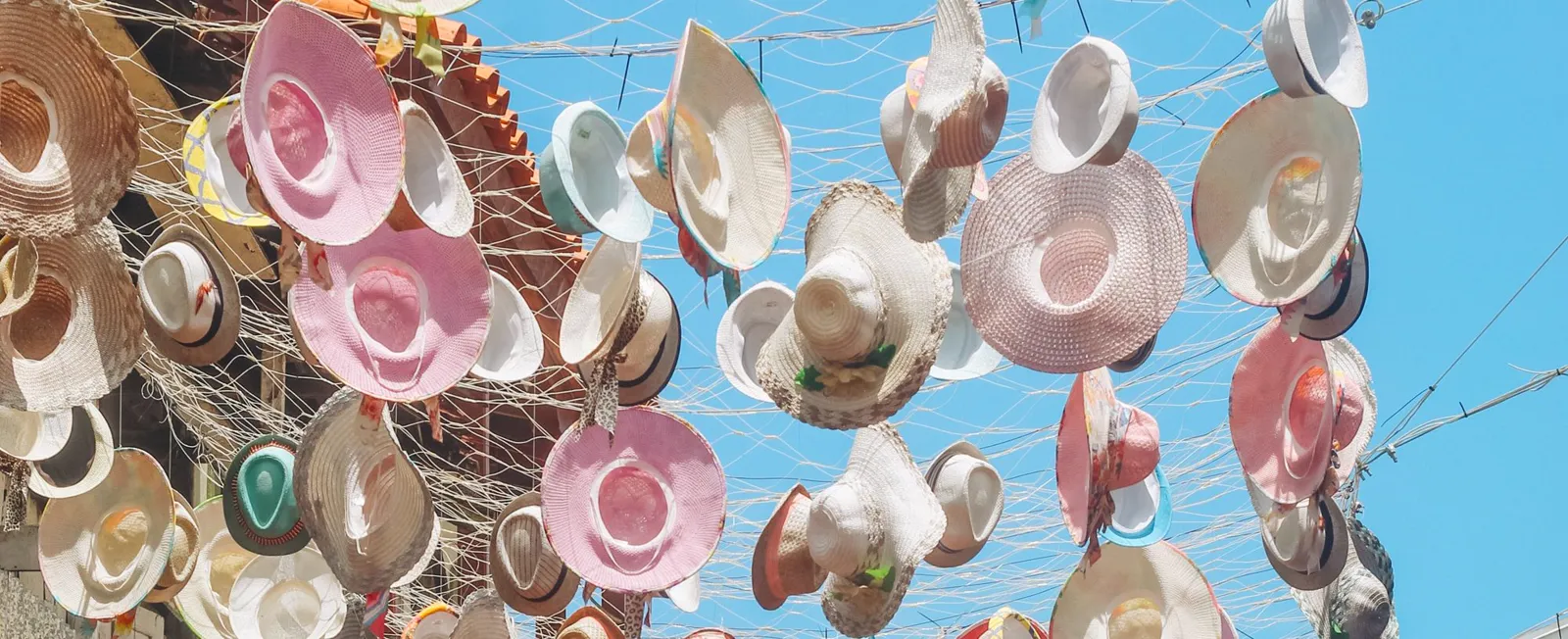
Panama knows how to celebrate. The calendar is full of religious feasts, patriotic dates, carnivals and regional fairs.
Carnival is one of the biggest celebrations of the year. For the four days before Lent, cities and towns across the country fill with music, dancing, processions and water — spectators are generously doused from hoses and tanker trucks to save them from the heat.
The most famous carnival is in the small town of Las Tablas. Here two “streets” compete — Calle Arriba and Calle Abajo: each has its own queen, its own costumes, floats, songs and performances.
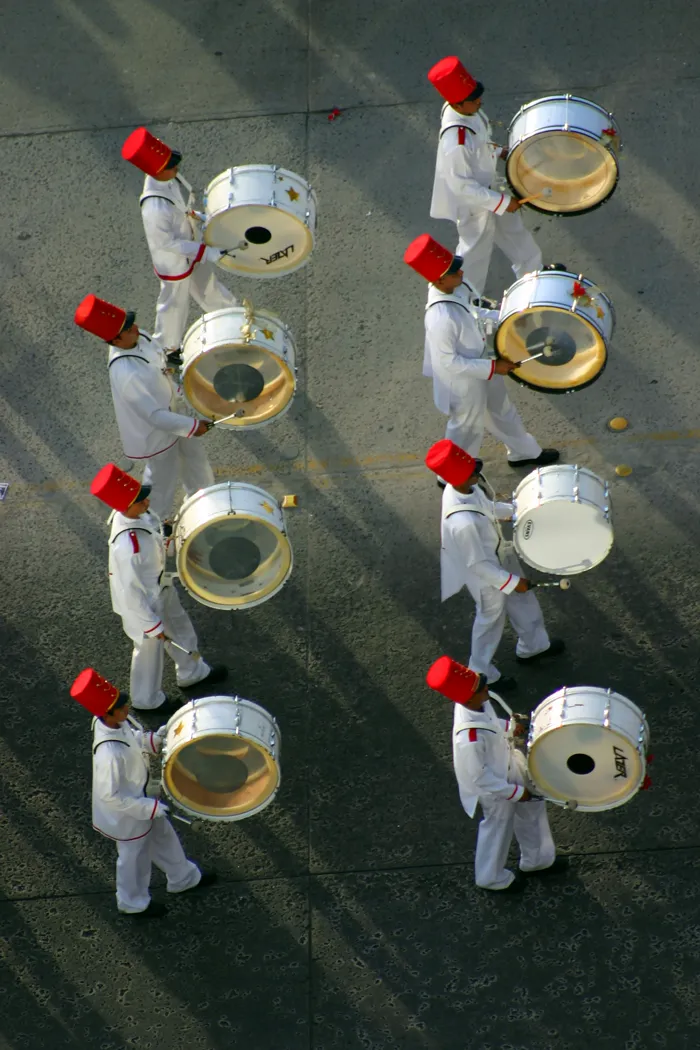
November is the month of the homeland. Panama marks the key dates of its independence, and the whole country is covered in flags, parades, brass bands and folk costumes. For many visitors, November is the best time to see Panamanian culture in full force.
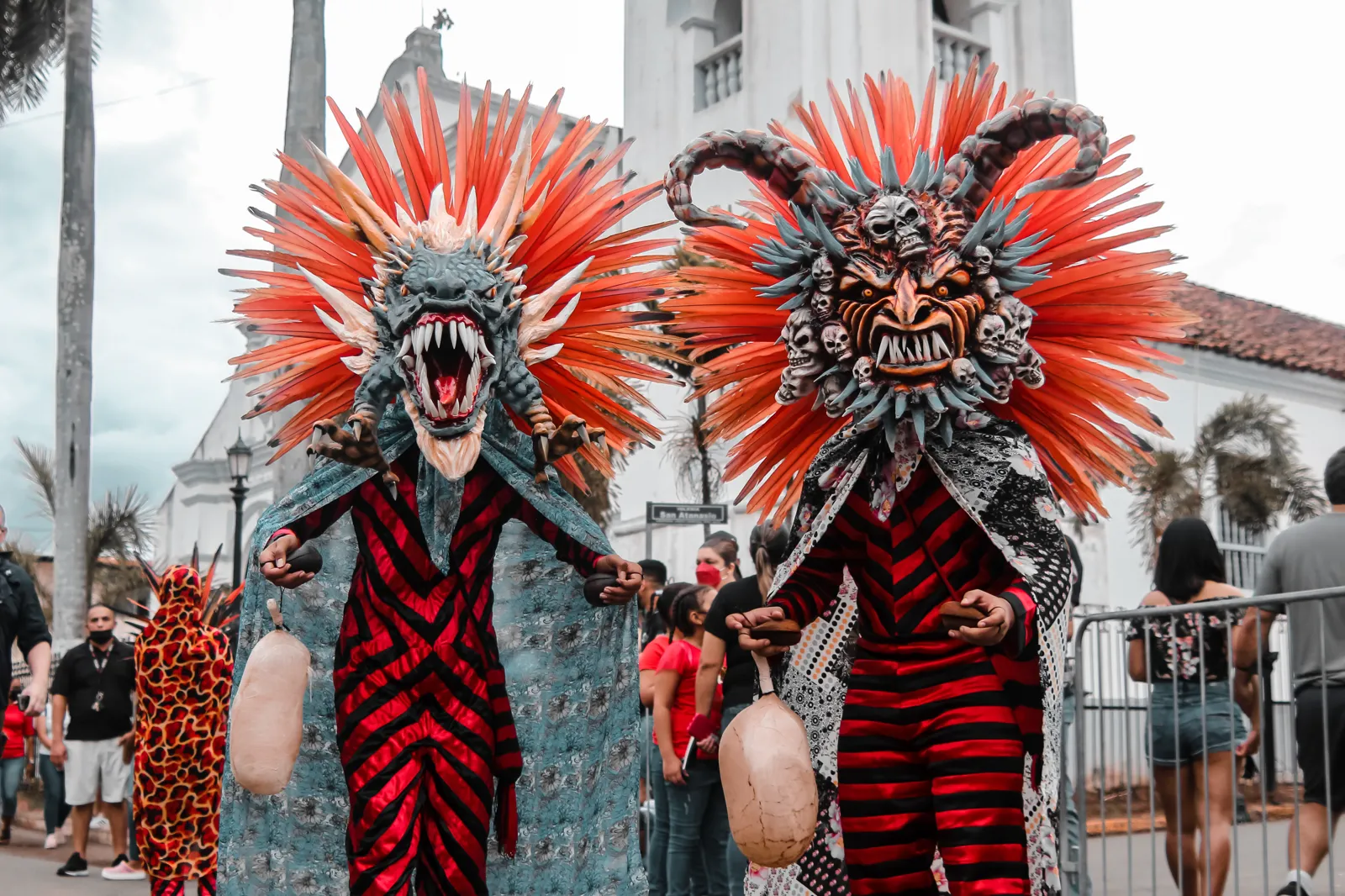
On the Caribbean coast, in Portobelo and the surrounding area, Congo culture lives on — the legacy of runaway Africans, the cimarrones. Its dances, songs and theatrical games mock the colonizers with humor. And on the feast of Corpus Christi in La Villa de Los Santos, dancers in devil masks pass through the streets.
Indigenous peoples: living traditions
One of the most precious parts of Panamanian identity is the heritage of its indigenous peoples.
The Guna, especially on the islands of Guna Yala, are known for their strong cultural autonomy, their island way of life and a textile art of great beauty — the mola. A mola is a hand-stitched panel made of several layers of colored cloth: the upper layers are cut away so that the lower ones show through. The designs may be geometric, symbolic, spiritual or inspired by nature.
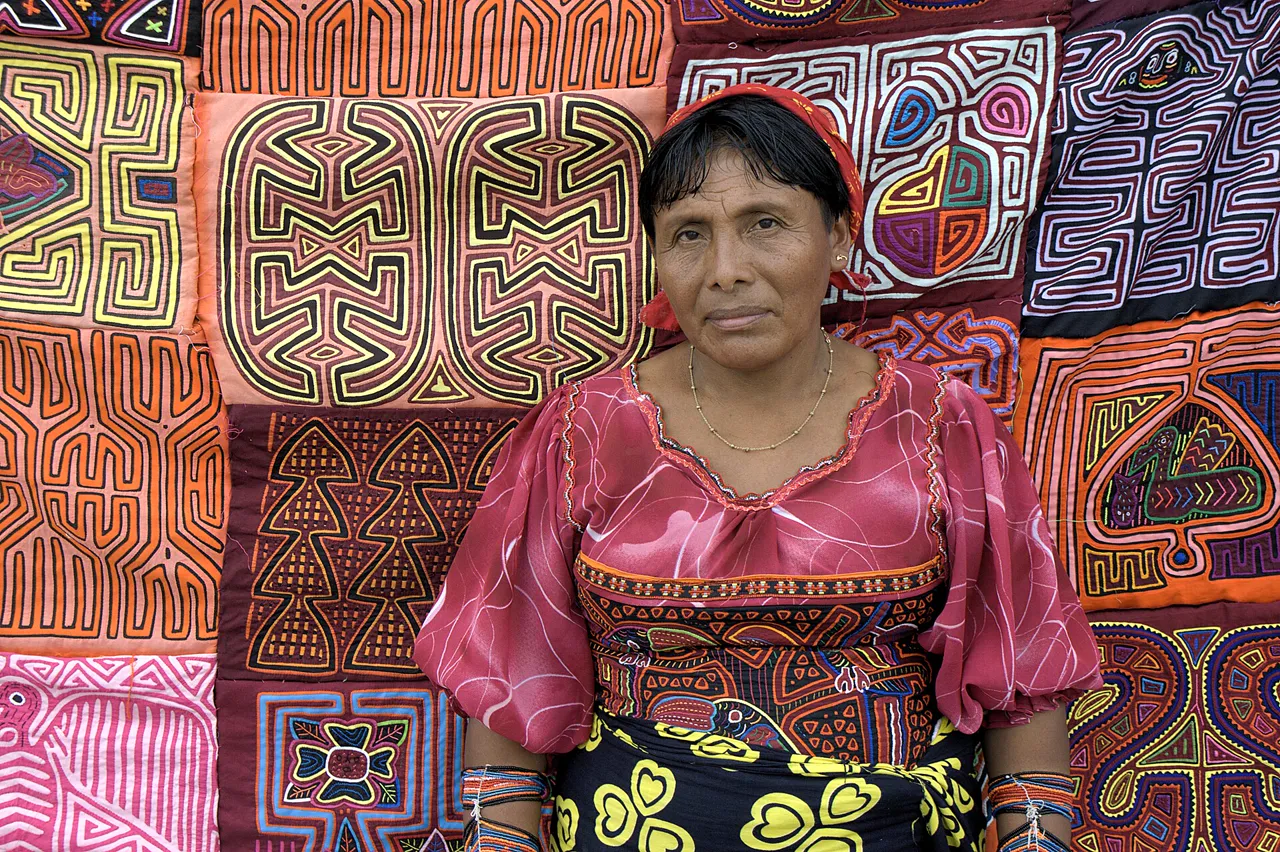
For many travelers, a mola is the most memorable thing they bring home from Panama.
The Emberá, who live along the rivers and in the rainforests, are renowned for their wood carving, basket weaving, body painting and deep knowledge of nature.
The Ngäbe and the Buglé are among the most numerous indigenous peoples of Panama. In the west of the country they keep alive their languages, crafts, dress and farming traditions.
These cultures are not museum exhibits. They are living communities that continue to shape the country.
The taste of Panama
Panamanian cuisine reflects the country's geography and history: it is coastal, tropical, Caribbean and Latin American all at once. Rice, plantains, yuca, corn, beans, coconut and fresh seafood are the foundation of the table. On the Caribbean side, dishes are cooked in coconut milk with spices and Afro-Caribbean flavors.
In Panama City the food scene becomes truly international: Japanese, Italian, Lebanese and Chinese cuisine, American cafés and Latin American fusion are part of everyday life. This is one of the reasons Panama is so comfortable for foreigners: it offers local authenticity without giving up the familiar comforts of the wider world.
For more on sancocho, ceviche, patacones and other dishes, see the page “The Cuisine of Panama.”
Architecture: a living timeline
The culture of Panama can also be read in its buildings.
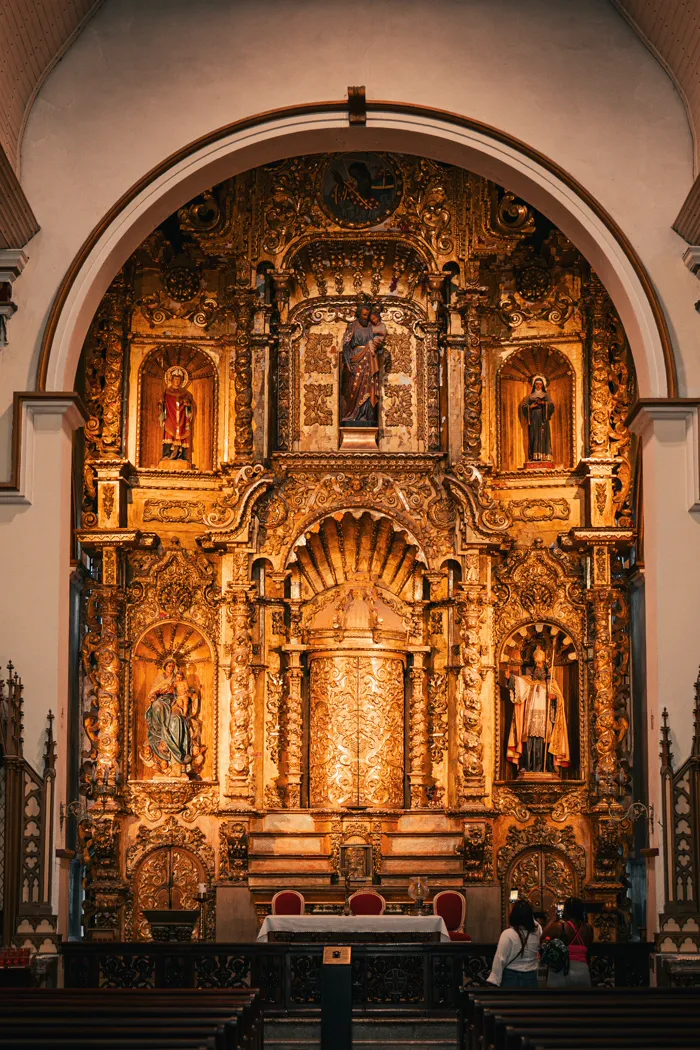
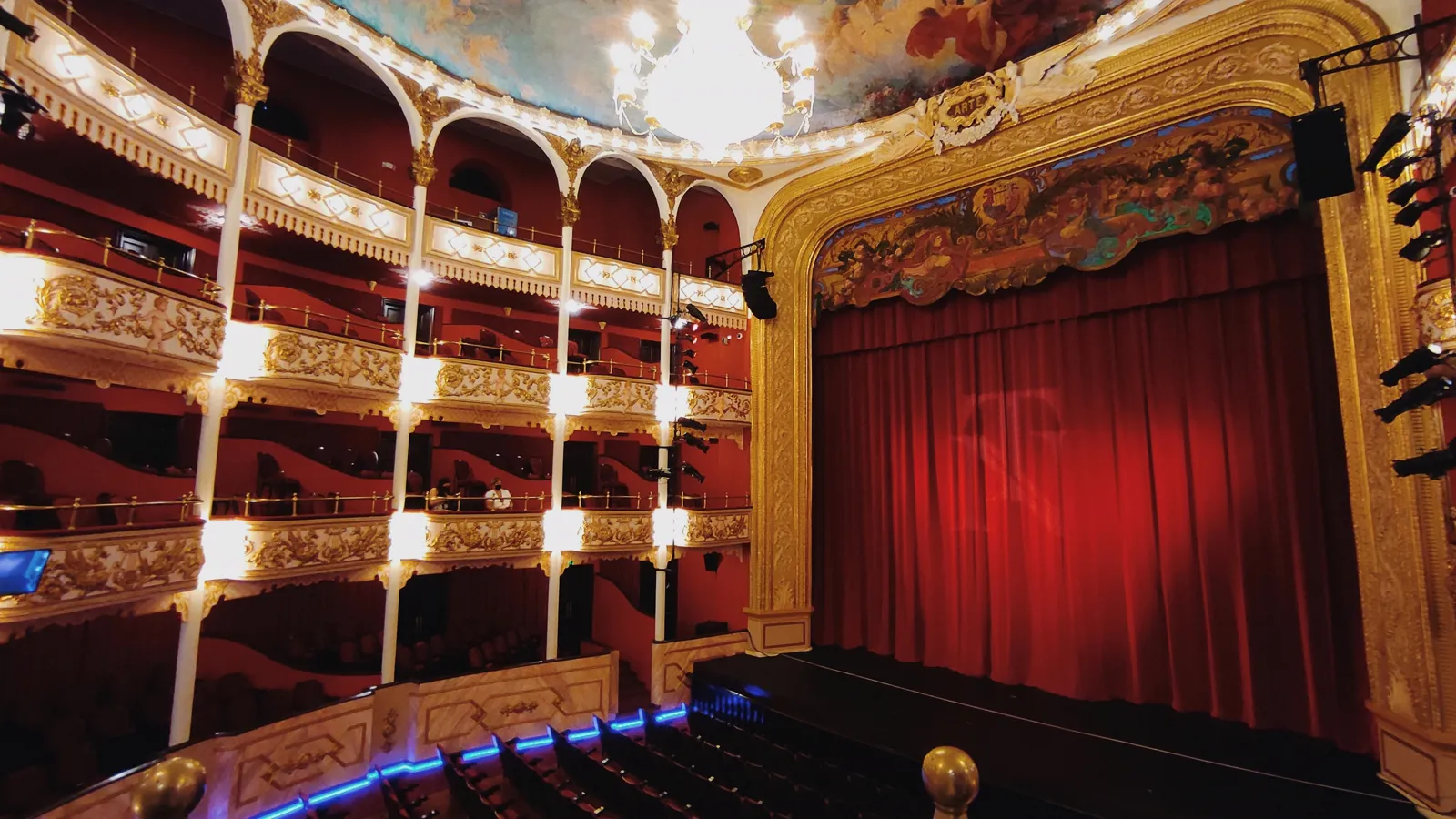
In Casco Viejo, Spanish colonial balconies, churches, squares and narrow lanes preserve the atmosphere of old Panama. In the financial district of Panama City, glass towers rise above the Pacific — a symbol of the country's modern ambitions. In the former Canal Zone the American influence is still visible: old residential quarters, administrative buildings and garden districts. In the Caribbean cities of Colón and Portobelo, the architecture bears Afro-Caribbean and colonial features.
It is not a single style. It is a living timeline.
For those choosing real estate in Panama, this diversity matters. Buying a home here is not only a financial decision but also a choice of lifestyle, atmosphere and surroundings.
- A home in Casco Viejo means historic charm.
- A residence in Punta Pacífica means modern city living.
- A home in Boquete means mountain culture, coffee plantations and a cool climate.
- A home by the sea on the Pacific coast means an unhurried coastal rhythm.
Each place tells its own cultural story.
Lifestyle and language
The Panamanian way of life is built on warmth, family and conversation. Family is the center of everyday life: weekends are often spent around a shared table, on trips to the beach, at religious festivals or visiting relatives. People are for the most part friendly, talkative and open.
Time flows more gently here than in rigidly structured business cultures — especially outside the capital. And yet Panama has a strong international side: business, banking, logistics, aviation, real estate and legal services operate to global professional standards.
Panama manages to be relaxed and ambitious at the same time: tropical ease without being cut off from the world.
The official language is Spanish, and all of everyday life is conducted in it. English is widely used in business, tourism, international real estate, banking and expat communities, while the indigenous peoples speak their own languages. Those moving to Panama would do well to learn at least the basics of Spanish: it opens the door not only to practical communication but to a real understanding of the culture.
The spirit of Panama
Today Panama is one of the most international countries in Latin America. Its airports connect the Americas, its canal connects world trade, its banks connect international capital, and its real estate market attracts buyers from North America, Europe, Latin America, Asia and the Middle East.
Yet behind all this global movement, Panama has not lost itself. Folk festivals still fill the streets. Guna artisans still stitch molas by hand. Families still gather over local food. Music still moves from drums to salsa, from reggae to urban beats.
The culture of Panama is not frozen in the past — it is constantly in motion, absorbing the new and reinventing itself. For those thinking about living, investing or owning a second home in Panama, this is no minor detail: culture shapes the way of life, the character of neighborhoods, the architecture, the cuisine, the festivals and even the rhythm of business.
You can see it in the colors of a pollera, hear it in the drums at a festival, and feel it in the taste of fresh ceviche, in the patterns of a mola, in the skyline of Panama City and in the colonial lanes of Casco Viejo.
Panama is a small country with the cultural depth of a large one: the traditions of the interior provinces, the energy of the capital, the soul of the Caribbean, the memory of the indigenous peoples and the confidence of a global business center.
Panama is not a place merely to visit — it is a place to be lived. And understanding its culture is the first step toward understanding the country itself.