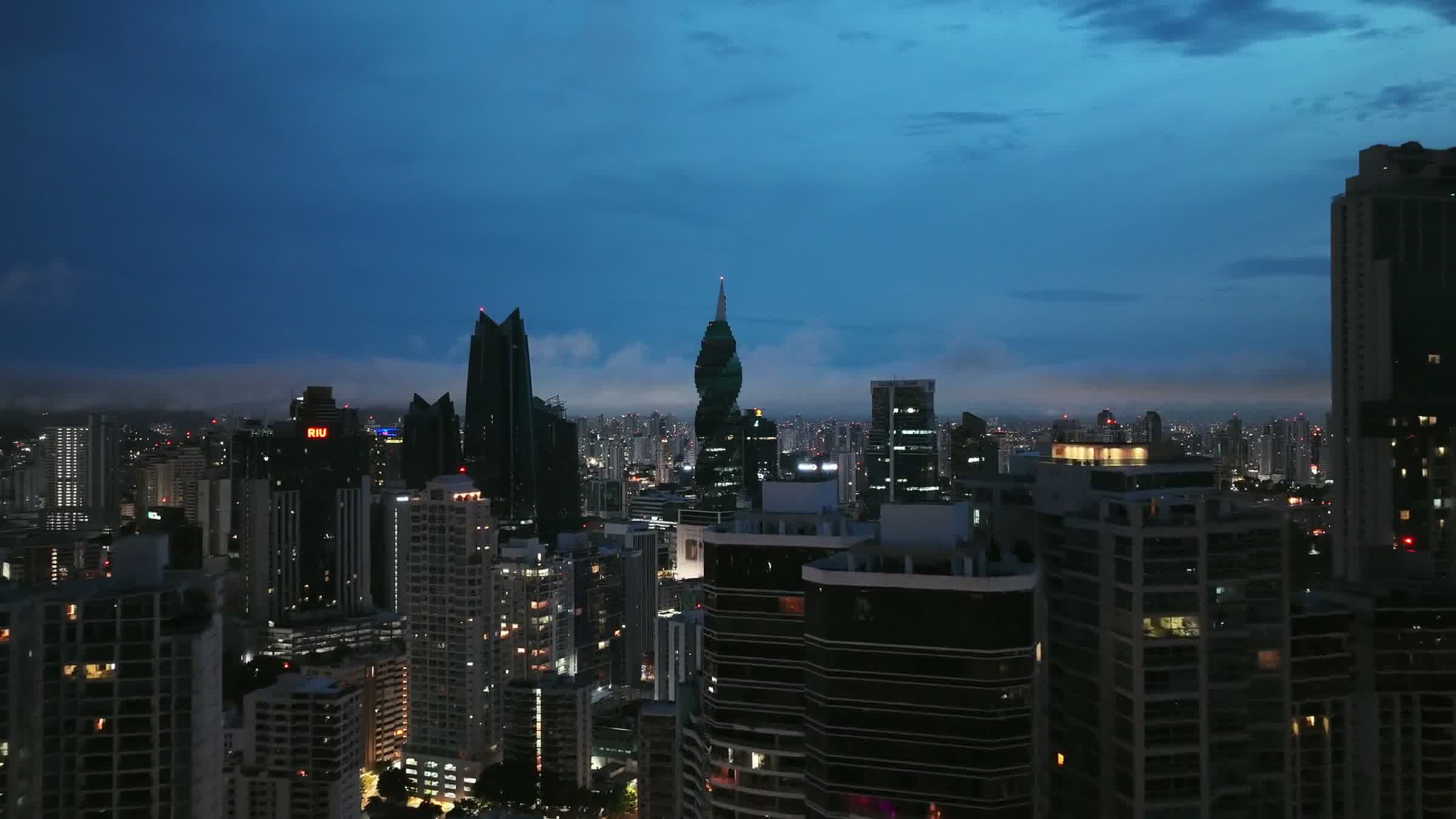
A city that grew out of the water and still lives off it
The canal brings the country tolls, the ports bring cargo, and the banks serve both. Hence the skyscrapers: over the past twenty years the capital has grown a skyline that tourists regularly mistake for Dubai. Hence the mix of languages, too — on the street you hear Spanish, English, Chinese, Portuguese, and in recent years, more and more often, Russian.
For someone who has come here to buy, a few things matter, and they are surprisingly simple. The economy has run on the US dollar since 1904 — no currency risk, nothing to convert. A foreigner's property rights are the same as a citizen's: no permits, no local partner. Transactions go through the Public Registry, and title is confirmed by the state. Tax on income earned abroad is zero.
And one more thing you only understand once you are here: the city is compact. From most districts, the banking district is five to twenty minutes away. You can drive around Panama City in an hour — and change the scenery in fifteen minutes, because there is real tropical forest inside the city limits.
Below are fifteen districts, grouped not alphabetically but by how people actually choose.