Panamanian Cuisine: The Flavor of a Country Between Two Oceans
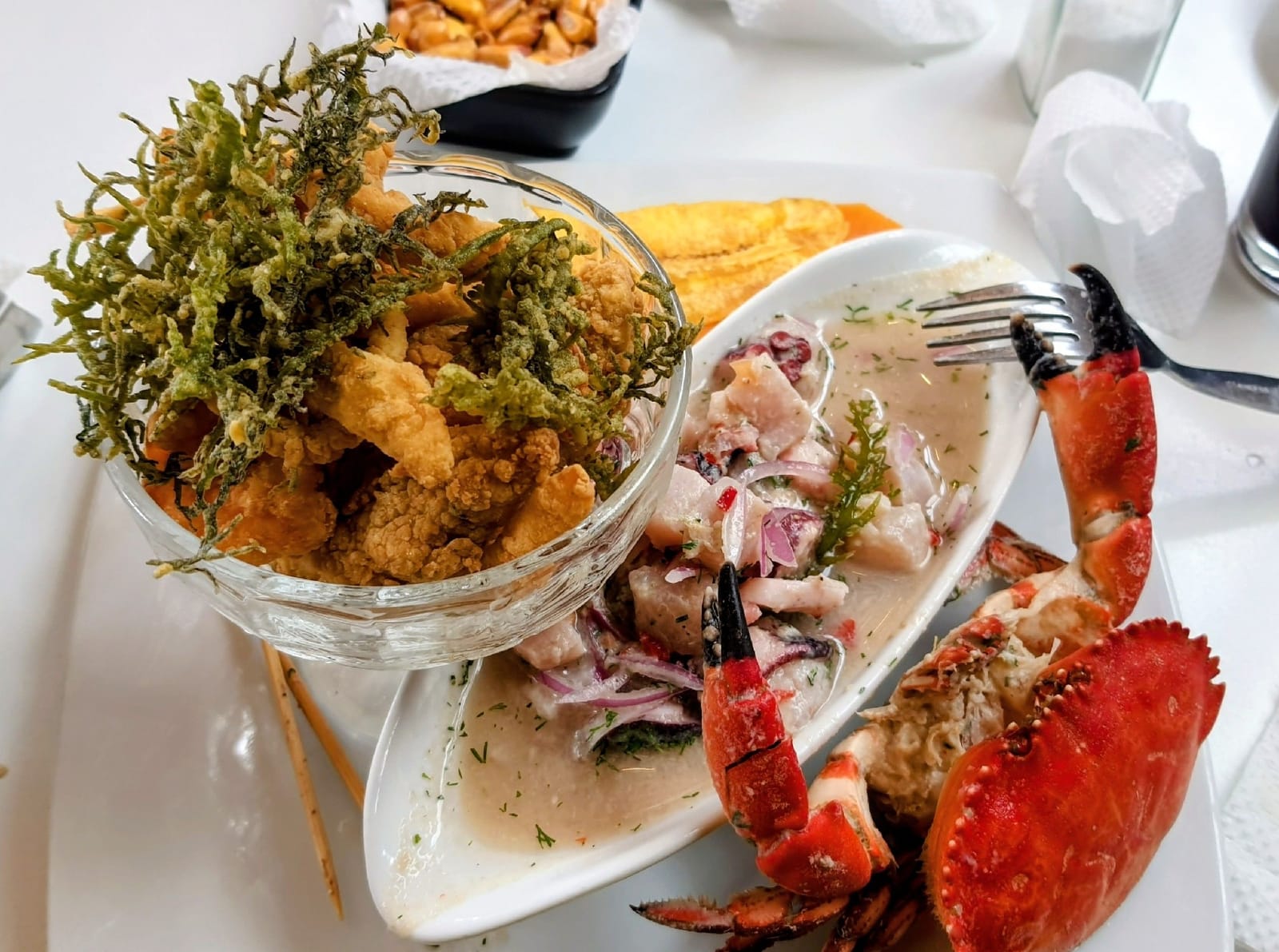
Panamanian cuisine is the taste of a crossroads. It is Caribbean and Latin American, coastal and tropical, simple and generous, local and international. Like Panama itself, the country's food was shaped by movement: indigenous traditions, Spanish influence, African heritage, Caribbean migration, Asian communities, maritime trade and the constant flow of people through one of the world's most connected countries. For visitors, expats and anyone considering living in Panama, food is one of the most enjoyable ways to understand the country.
A Cuisine Shaped by Geography
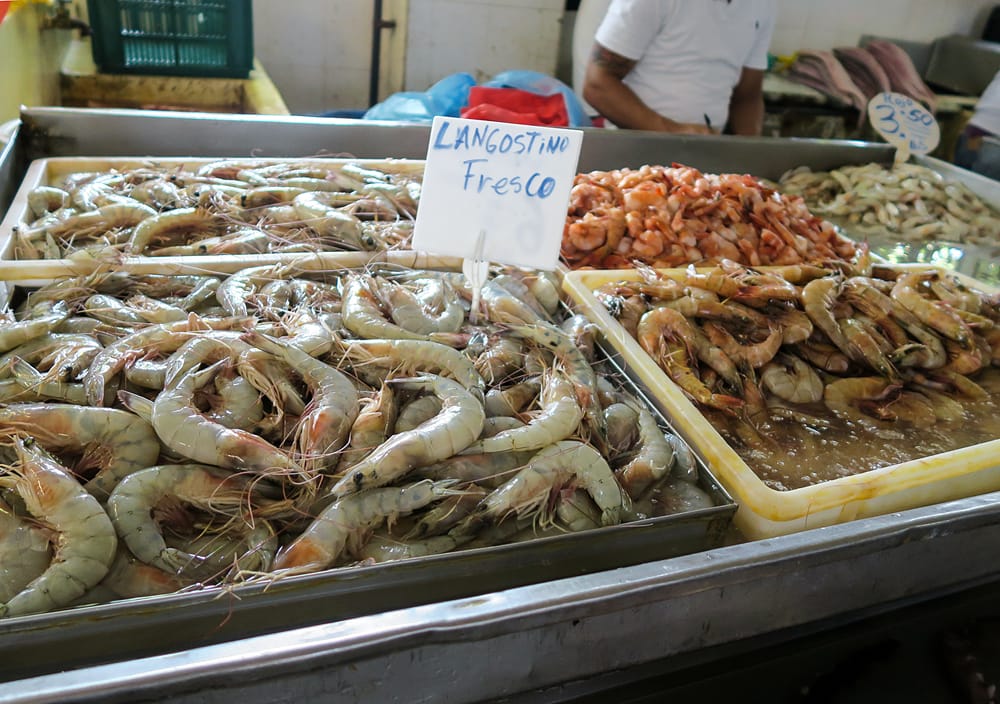
Panama sits between the Pacific Ocean and the Caribbean Sea, so seafood plays a central role in local cuisine. Fresh fish, shrimp, lobster, octopus and ceviche are common across the country, especially in coastal areas and Panama City. At the same time, the interior provinces bring another side of Panama's food culture: chicken, beef, corn, rice, beans, yuca, plantains and slow-cooked home-style dishes. This combination creates a cuisine that feels both tropical and comforting.
Sancocho: The Soul of Panama
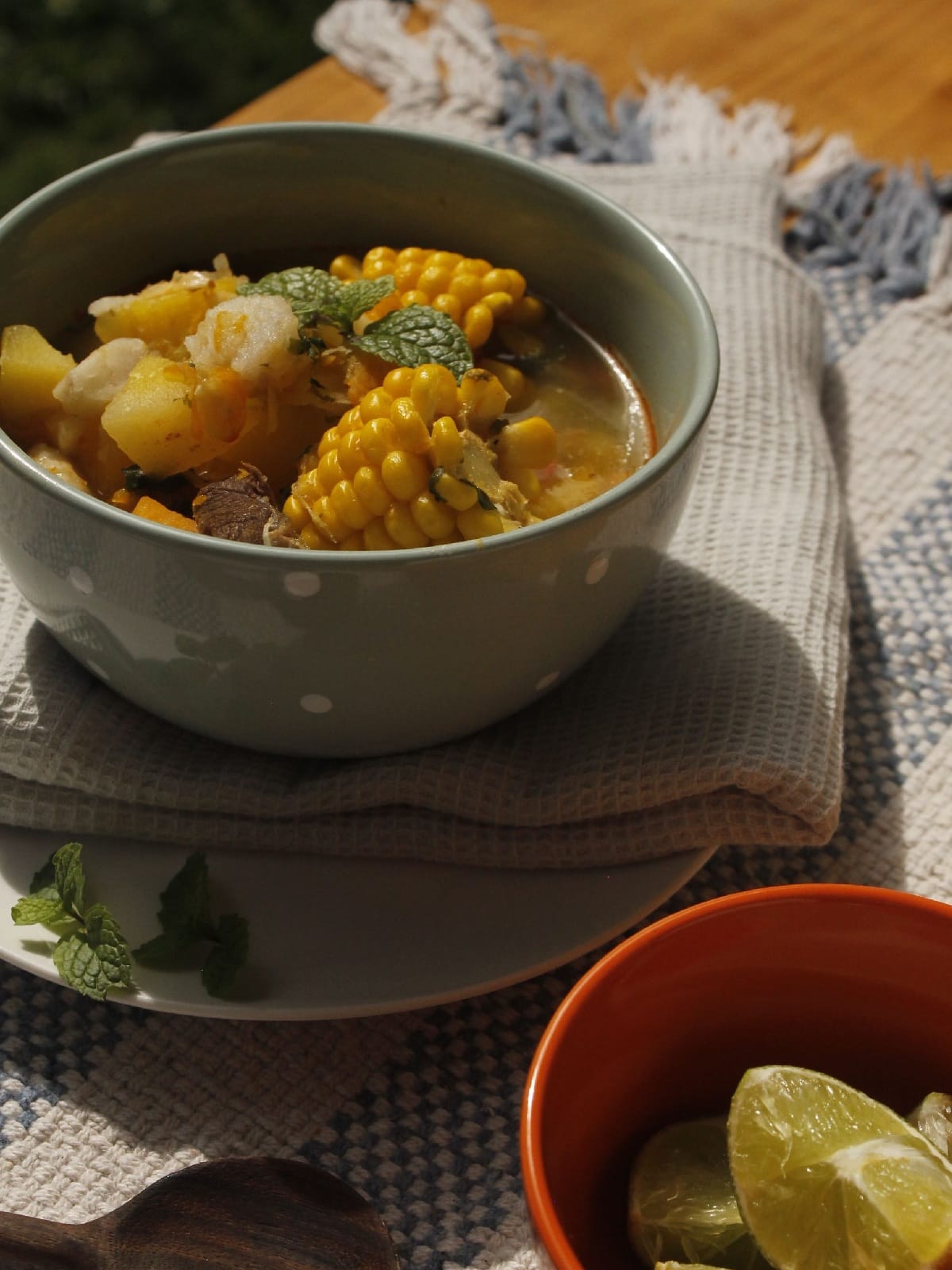
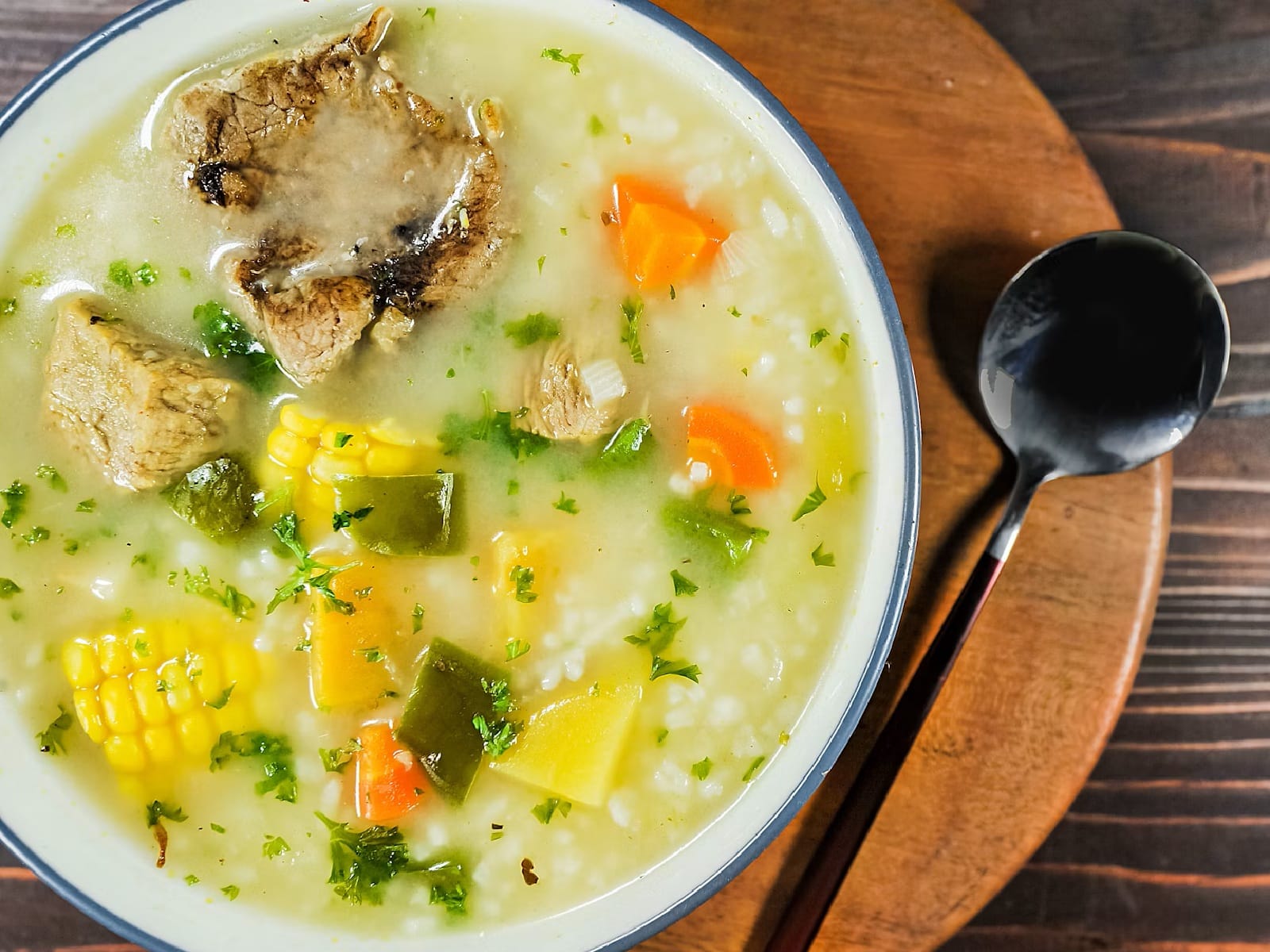
If Panama had one national comfort dish, it would be sancocho — a traditional chicken soup made with herbs, root vegetables and simple ingredients. It is not a luxury dish; it is a family dish. People eat it at home, after celebrations, during rainy days or whenever they want something warm and familiar. In many ways, sancocho represents Panamanian cuisine perfectly: honest, generous and deeply connected to everyday life.
Ceviche and the Taste of the Coast
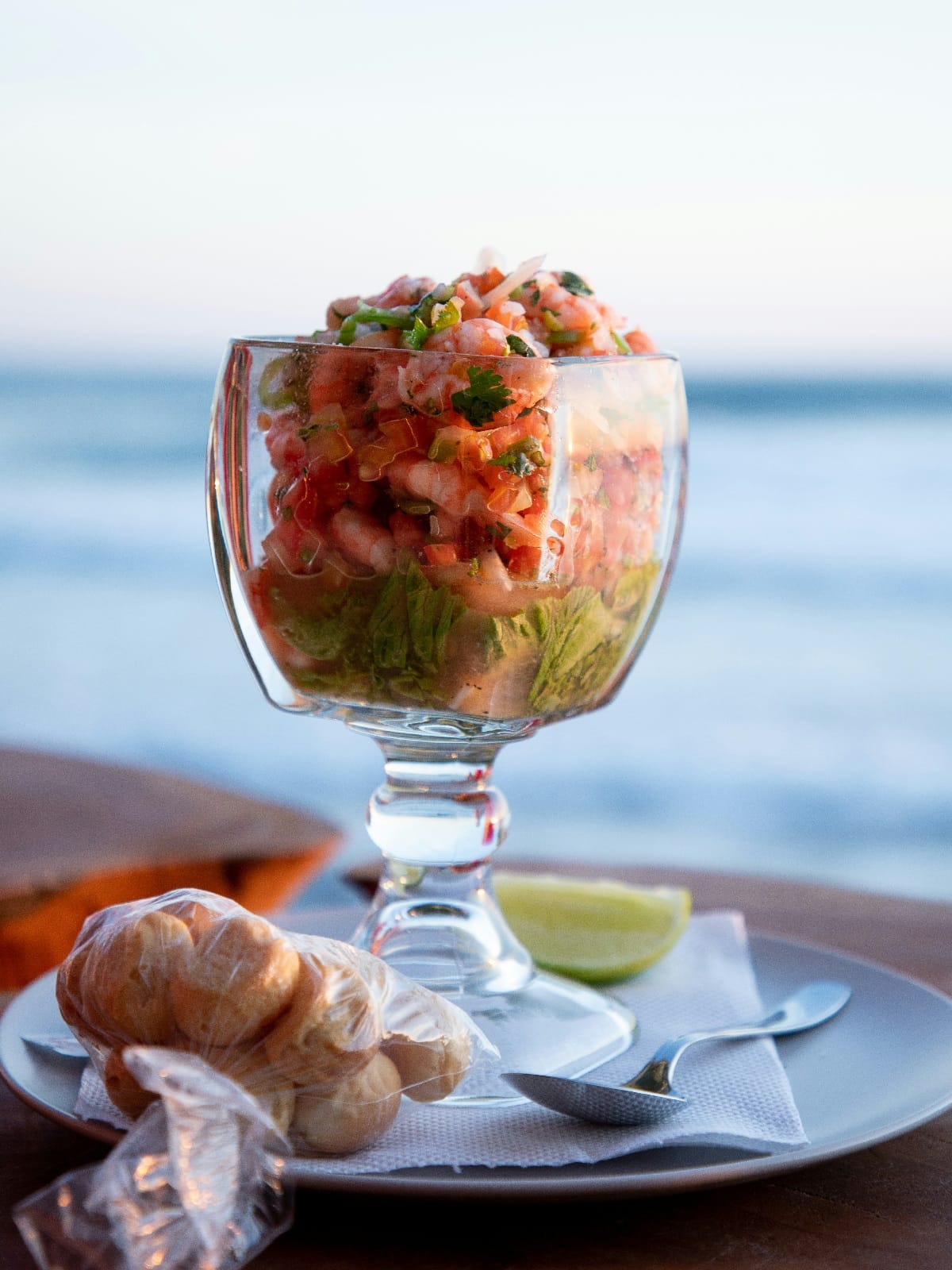
Ceviche is one of the most popular foods in Panama. Usually made with fresh seafood, lime juice, onion and herbs, it is bright, refreshing and perfect for the tropical climate. In Panama City, ceviche can be found in casual markets, seafood restaurants and elegant dining rooms. For many visitors, trying ceviche near the coast is one of the essential food experiences in Panama.
Plantains, Rice and Corn
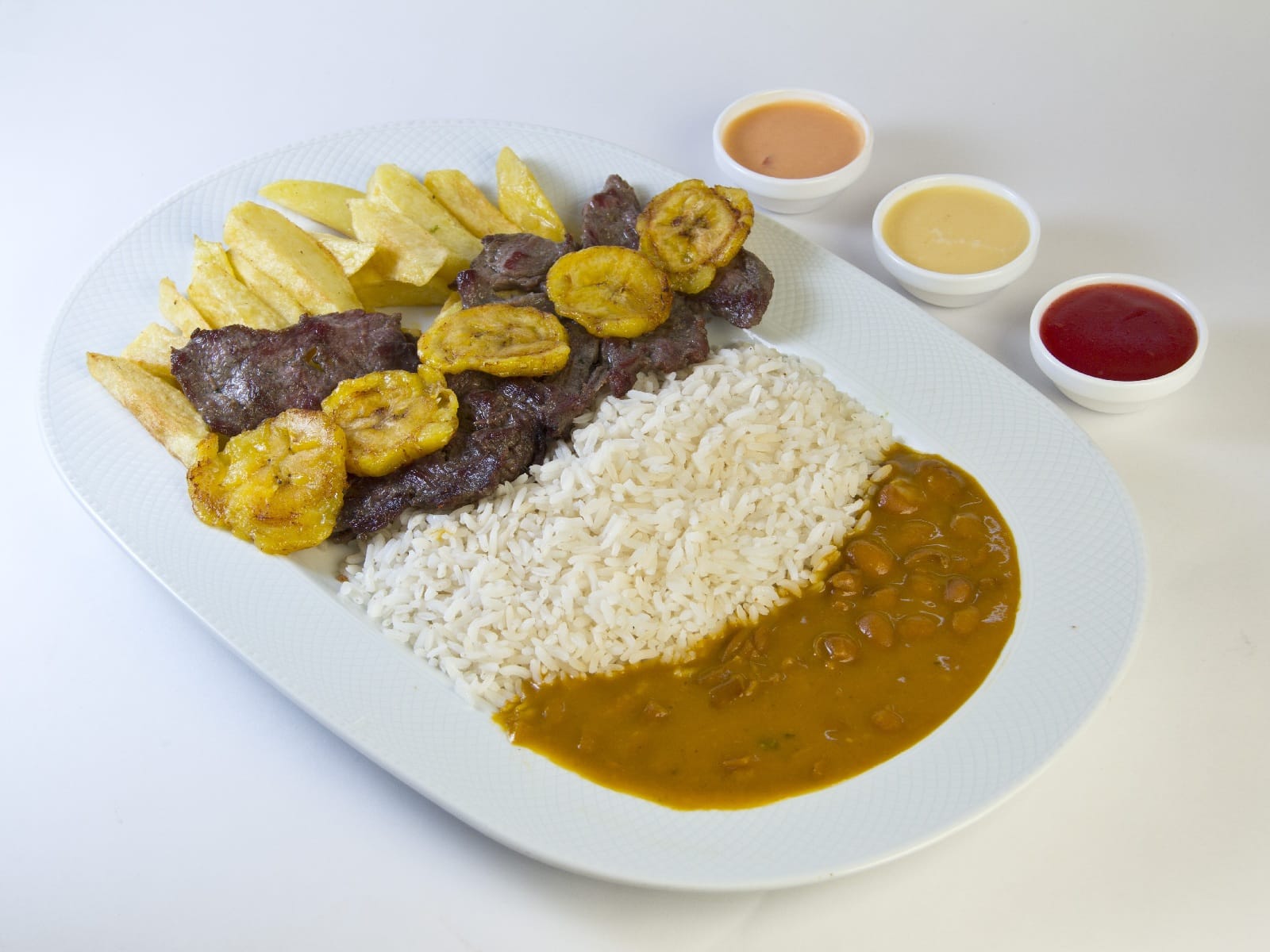
Panamanian food is built on simple ingredients used in many creative ways. Plantains may be fried into patacones, served with seafood, or added to hearty meals. Rice is everywhere: with chicken, seafood, beans or coconut. Corn appears in tortillas, tamales, carimañolas and other traditional dishes. These ingredients are affordable, filling and deeply familiar to Panamanian families.
Caribbean Influence
The Caribbean side of Panama adds some of the country's most vibrant flavors. In places like Colón, Portobelo and Bocas del Toro, food often includes coconut milk, spices, seafood and Afro-Caribbean traditions. Rice with coconut, fish in coconut sauce and spiced dishes reflect Panama's Caribbean identity. This is one reason Panamanian cuisine feels more diverse than many people expect. It is not one kitchen — it is several kitchens living together.
Street Food and Everyday Eating
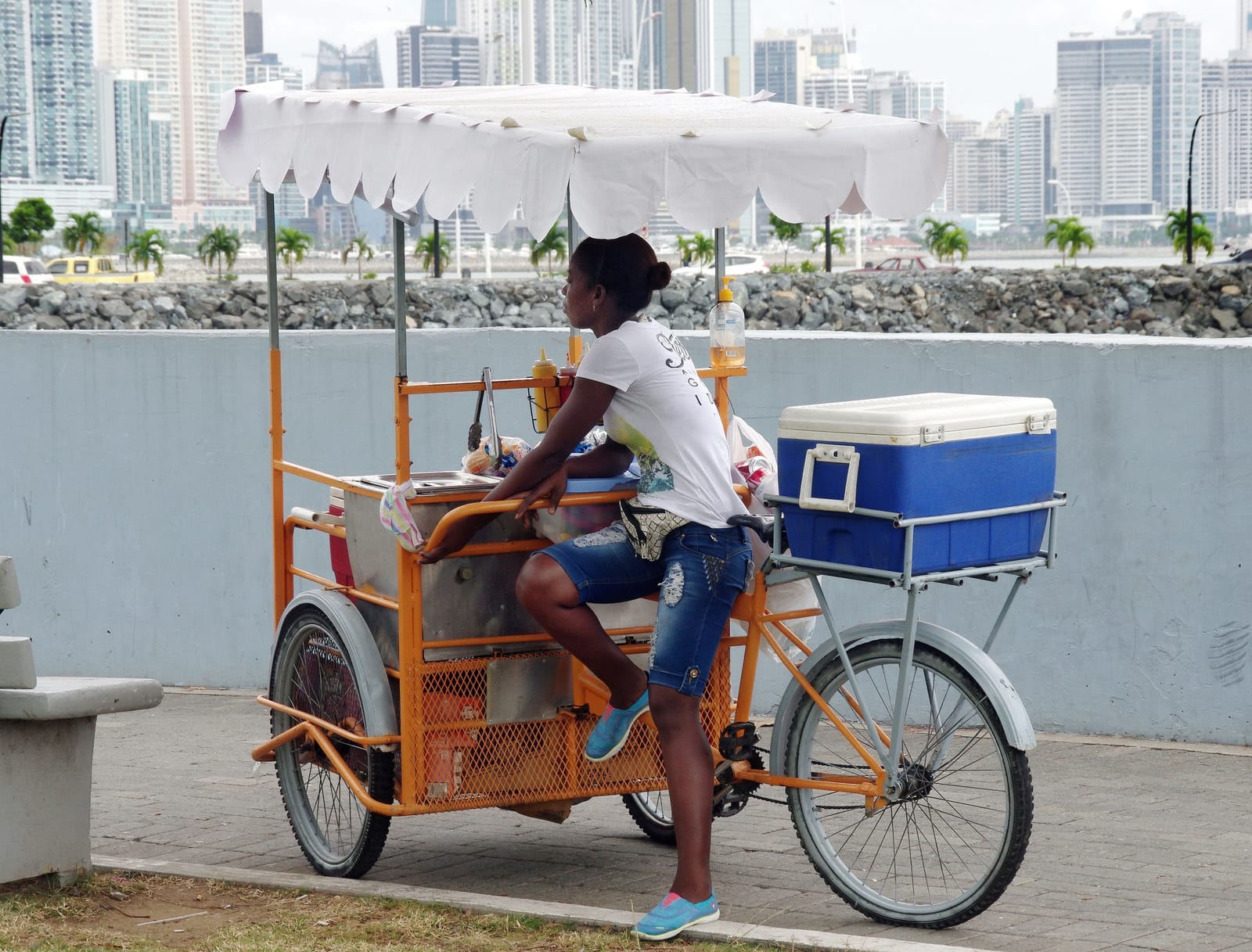
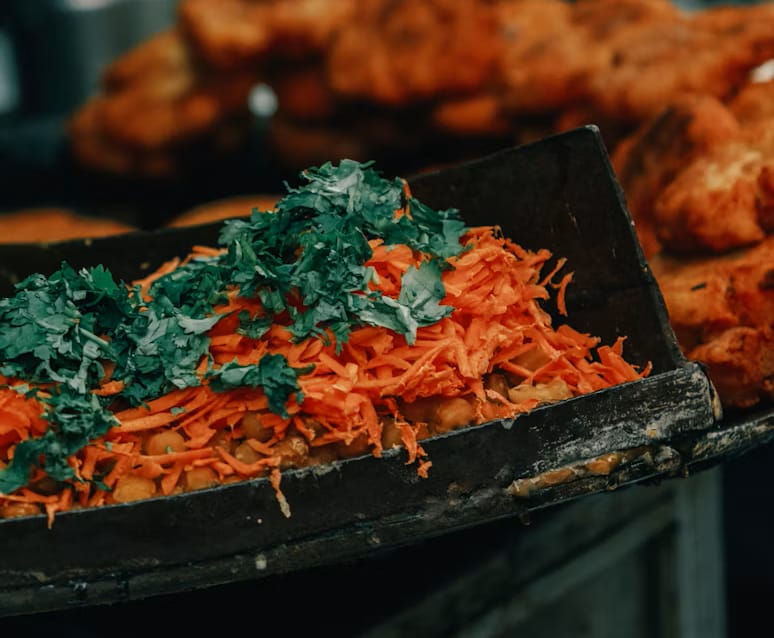
Panama's street food is simple, satisfying and full of character. Popular local foods include empanadas, hojaldres, carimañolas, chorizo, grilled meats and fried snacks. Breakfast may include tortillas, eggs, cheese, sausages or hojaldres. Lunch is often the main meal of the day, with rice, beans, meat or fish, salad and plantains. For newcomers, local food is one of the fastest ways to feel the rhythm of daily life.
Panama City: An International Food Capital
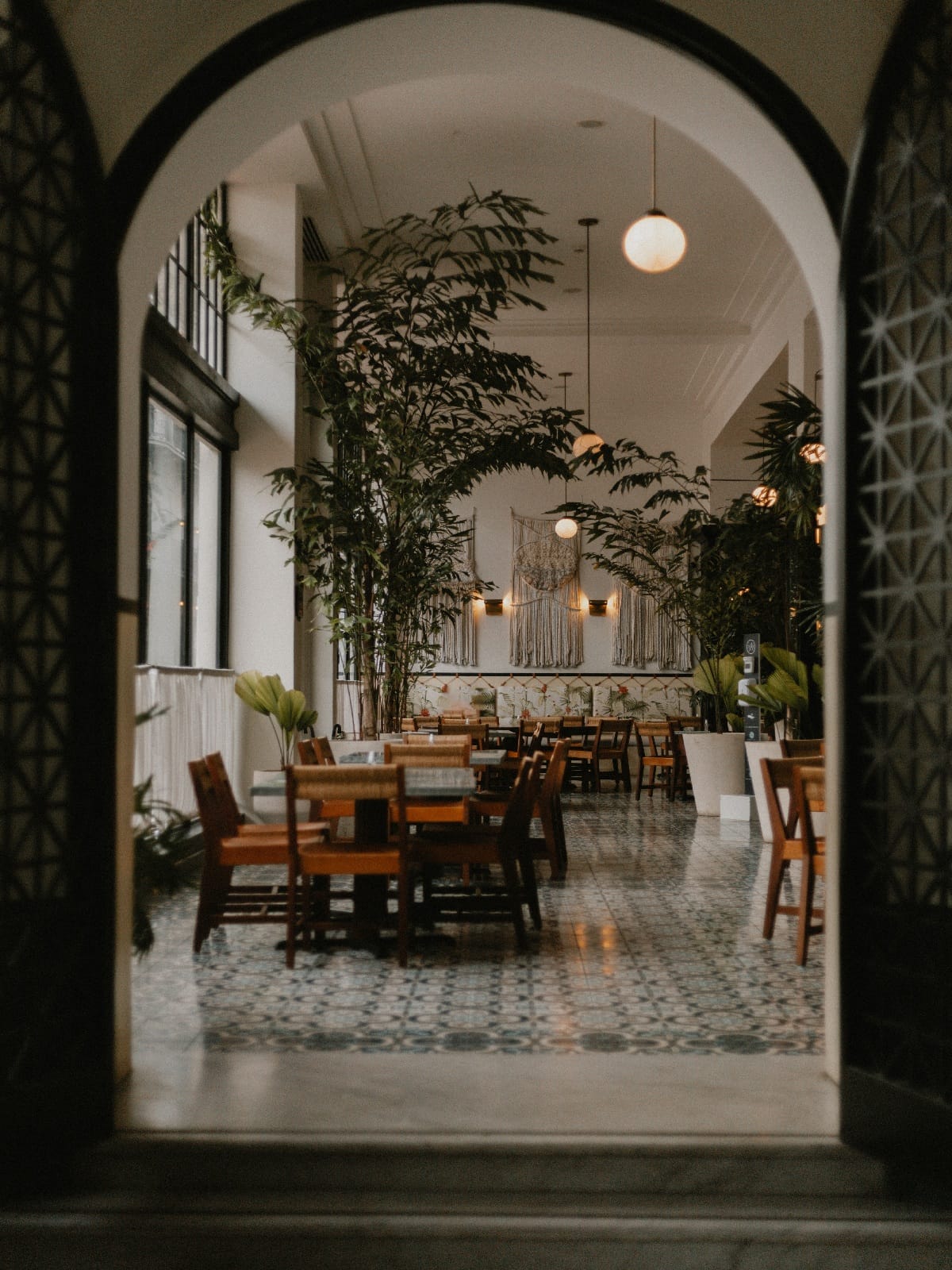
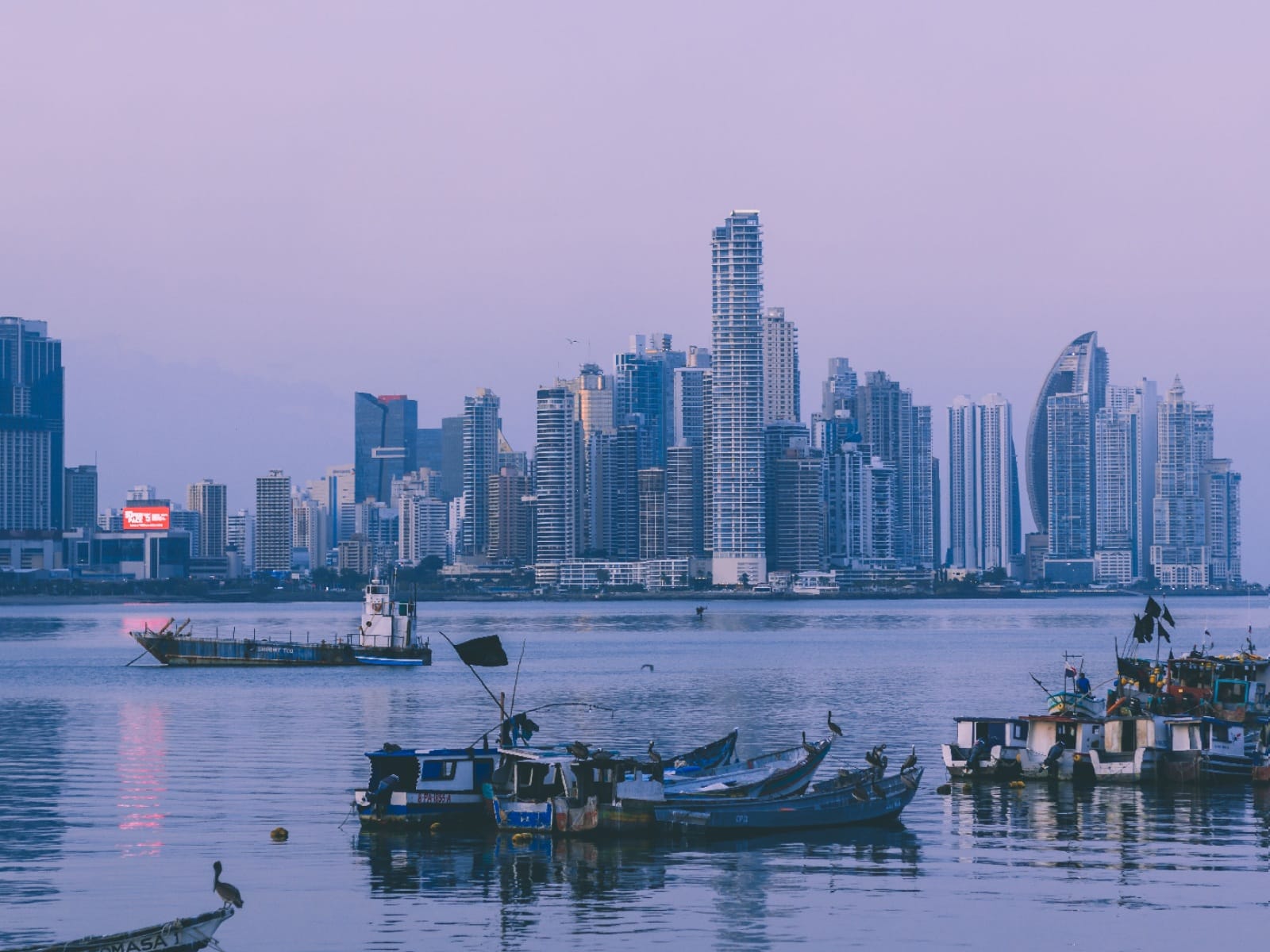
Panama City has one of the most interesting food scenes in Central America. Because the country is so international, the capital offers far more than traditional Panamanian cuisine. You can find Japanese restaurants, Italian trattorias, Chinese cuisine, Lebanese food, Peruvian cevicherías, American-style cafés, steakhouses, vegan restaurants, fine dining and rooftop bars. This variety is one reason Panama is attractive for international residents: you can enjoy local authenticity without giving up global comfort.
Food and the Real Estate Lifestyle
Cuisine matters when choosing where to live in Panama. In Panama City, residents enjoy international restaurants, delivery services, gourmet supermarkets and modern cafés. In beach areas, fresh seafood and relaxed coastal dining become part of everyday life. In mountain towns such as Boquete, local produce, coffee culture and farm-to-table experiences define the lifestyle. For real estate buyers, food is part of the atmosphere of a location. A home is not only about walls and views — it is also about morning coffee, weekend restaurants, local markets and the feeling of belonging to a place.
Coffee, Fruit and Tropical Abundance
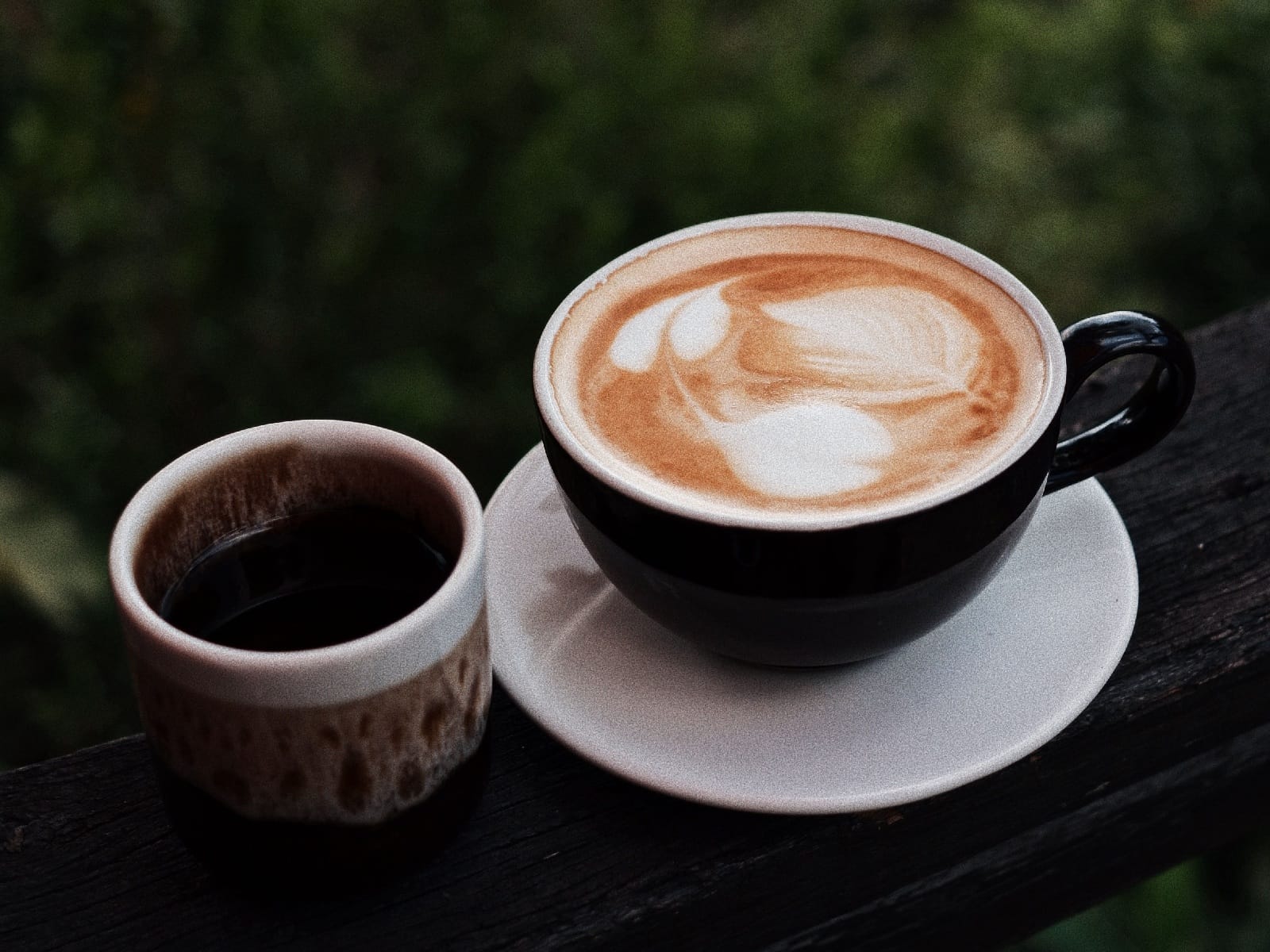
Panama is famous for its coffee, especially from the highlands of Chiriquí. Boquete and Volcán produce some of the country's most recognized coffees, including rare specialty varieties admired by coffee lovers around the world. Tropical fruit is another everyday pleasure: mangoes, papayas, pineapples, bananas, passion fruit and coconuts are widely available. For many foreigners moving to Panama, this abundance of fresh fruit and coffee becomes part of the lifestyle appeal.
Panamanian Cuisine in One Sentence
Panamanian cuisine is a warm, tropical and multicultural kitchen shaped by two oceans, indigenous roots, Spanish tradition, African heritage, Caribbean flavor and global movement. It is not the most famous cuisine in Latin America, but it is one of the most honest. It tells the story of Panama through soup, seafood, rice, plantains, coffee and the simple joy of eating well in a country made for connection.