About Panama · About the country
The Currency of Panama
The balboa, the US dollar and a rare monetary stability
When it comes to money, Panama is one of the most unusual countries in Latin America. The official currency is the balboa. Yet in everyday life, people all over the country pay in US dollars.
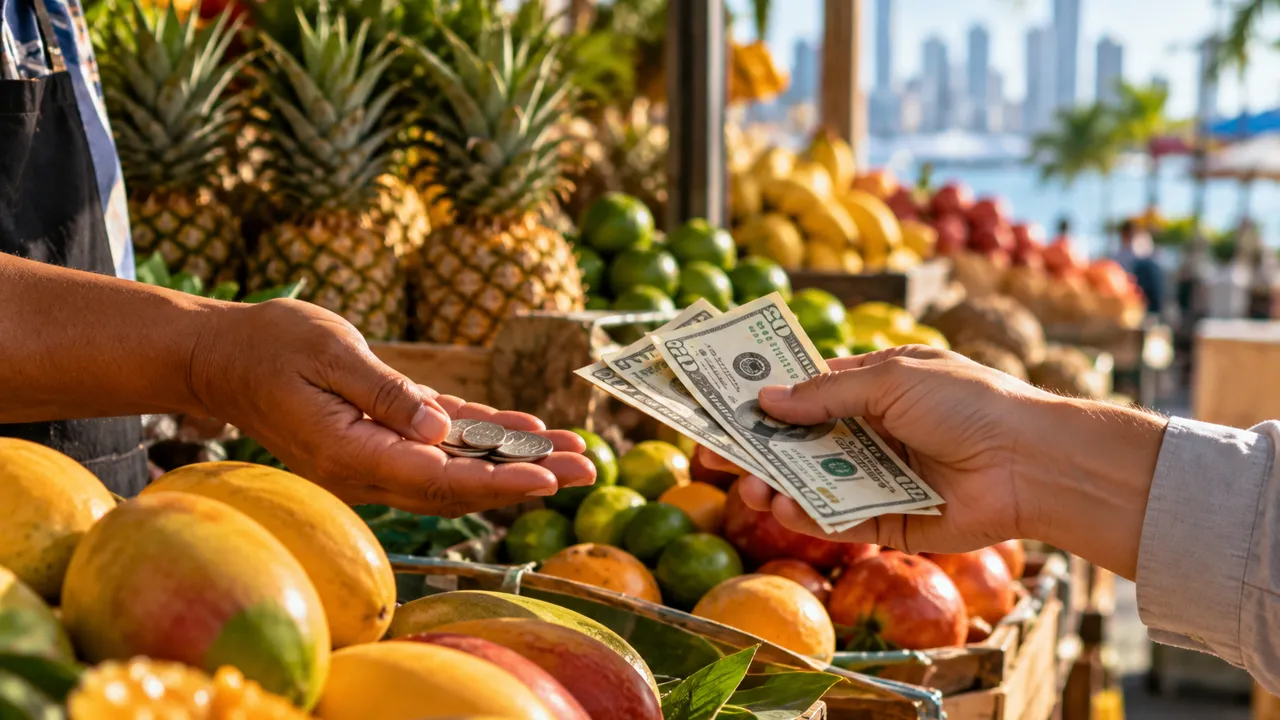
This makes Panama one of the most convenient and financially stable destinations in the region — for travelers, foreign residents, retirees, entrepreneurs and real estate investors. For anyone thinking about living or buying a home in Panama, understanding its monetary system is essential. It goes a long way toward explaining why the country has become a major international business center.
What is the currency of Panama?
Panama's official currency is the balboa (in Spanish, balboa panameño). It takes its name from Vasco Núñez de Balboa — the Spaniard who crossed the Isthmus of Panama in 1513 and became the first European to see the Pacific Ocean from the American shore.
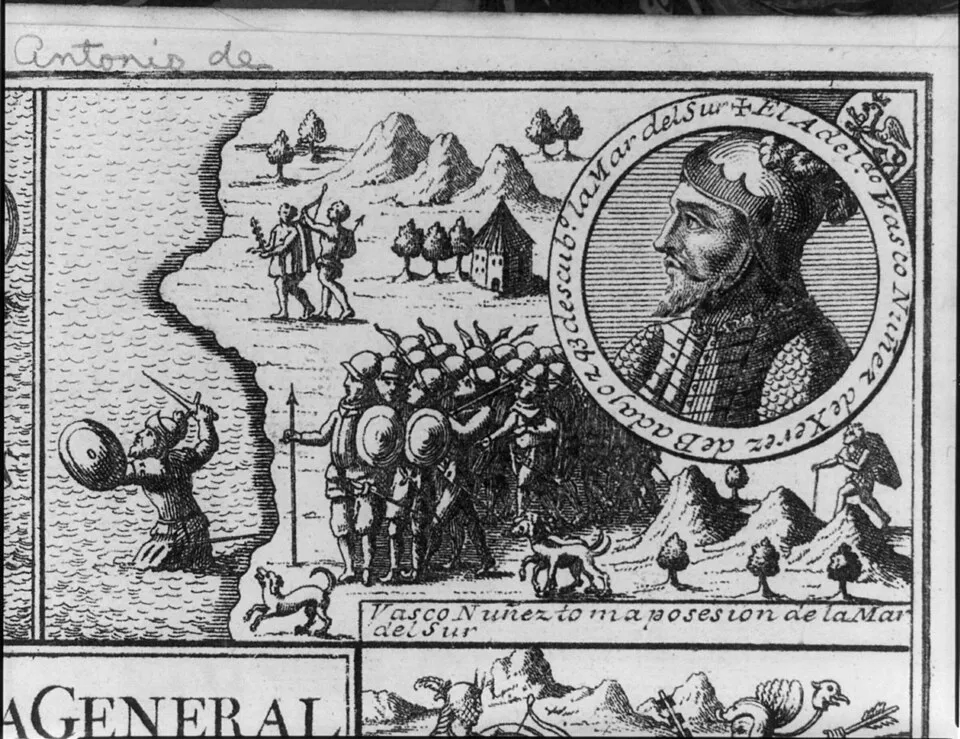
But Panama's monetary system is unique. The balboa exists mainly as coins. The country has no paper money of its own — US banknotes circulate in its place.
In practice this means that whether you are paying for a coffee in Panama City, buying groceries at the supermarket, renting an apartment, booking a hotel or buying property, you will almost always be paying in US dollars.
The balboa and the dollar are worth the same: one balboa equals one dollar.
Why does Panama use the US dollar?
Panama adopted the US dollar as legal tender soon after its independence in 1903. The decision was closely bound up with the country's early history, its relationship with the United States and the building of the Panama Canal.
From the early 20th century, Panama was deeply tied to international trade, shipping, finance and the US economy. The dollar gave the young republic a solid monetary foundation and made it more attractive to foreign business, banks and commerce.
Over time this system became one of the country's chief economic advantages. Many Latin American countries have lived through sharp devaluations, currency controls and periods of high inflation — while Panama has enjoyed monetary stability for decades.
The balboa: Panama's coins
Although the banknotes in Panama are dollars, the balboa remains the official national currency. Panamanian coins circulate alongside American ones and are worth exactly the same: a Panamanian 25-centésimo coin is the equivalent of a US quarter.
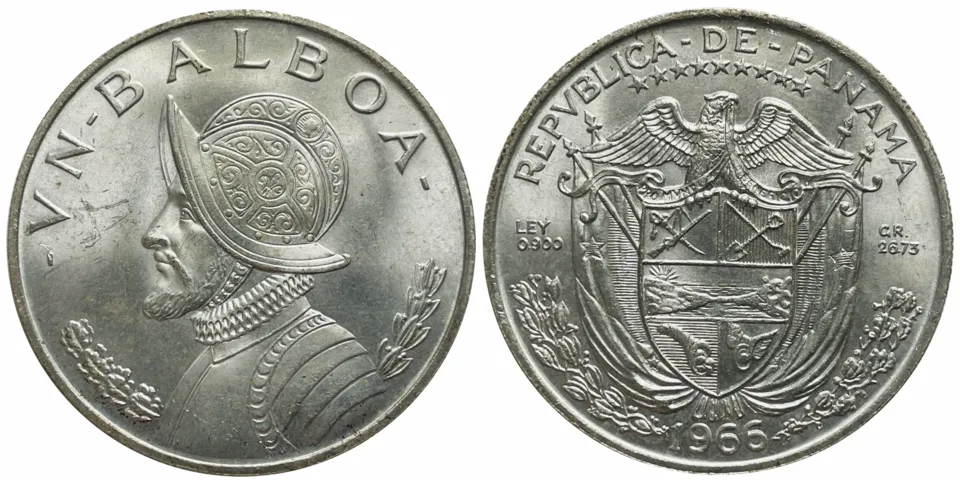
Coins are minted in denominations of 1, 5, 10, 25 and 50 centésimos and 1 balboa. They carry national symbols, historical figures and scenes tied to Panama's identity. For visitors, a coin like this is a small souvenir of everyday life: legal tender and, at the same time, a reminder that Panama has a monetary identity of its own.
Seven days of paper money
In everyday life there is no such thing as Panamanian paper money. But once there was — for exactly one week.
President Arnulfo Arias decided to give the country a paper currency of its own. On October 2, 1941, banknotes of 1, 5, 10 and 20 balboas went into circulation — 6 million worth in all. A week later, on October 9, Arias was removed from power, and the new government withdrew his money from circulation.
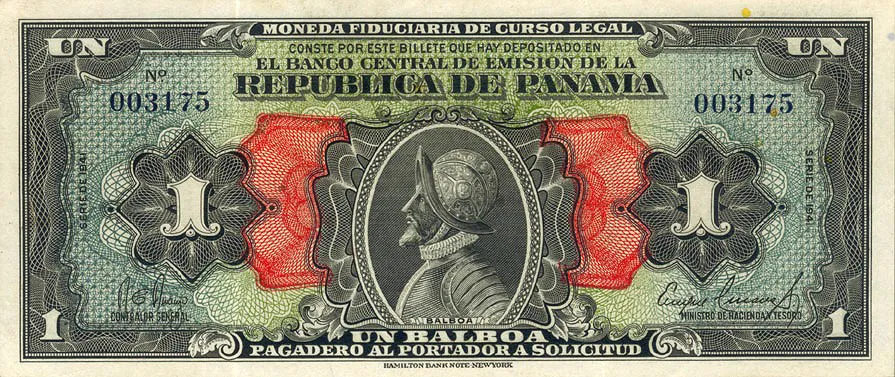
Ever since, cash in Panama has meant dollar bills and a handful of American and Panamanian coins.
Prices in dollars and real estate
Prices in Panama are usually written with a dollar sign — in shops, in restaurants, in sale and rental listings, in contracts, in hotel bookings. An apartment in Panama City, a beach house on the Pacific coast, a home in the mountains of Boquete or a commercial space is almost always priced in dollars.
That makes Panamanian real estate easy for a foreigner to understand: there is no need to convert the price from an unstable local currency. A property at 350,000 dollars is priced in the same currency in which many investors hold their savings, run their businesses and make international transfers.
For a foreign buyer, currency risk is often the main concern. In many emerging markets, real estate rises in value in the local currency but falls in dollar terms, because the national currency is losing value.
Panama works differently: prices, rental income and the main expenses here are usually in dollars, and the investor sees a far clearer picture.
- Less uncertainty over exchange rates.
- Simpler international transfers and transactions.
- Greater investor confidence.
- More stable prices than in countries with frequent devaluations.
- Buying property is simpler and more transparent for a foreigner.
- A stronger position for Panama as an international banking and business center.
- An easier life for retirees and expats whose income, pension or savings are in dollars.
This does not remove every investment risk: real estate still depends on location, demand, the reliability of the developer, liquidity, legal structure and the timing of the purchase. But monetary stability gives the investor a firmer basis for decisions.
Money in everyday life and the banks
In daily life, Panama's monetary system is simple. Cash, bank cards and transfers are all widely used. In Panama City, people pay by card in restaurants, supermarkets, shopping malls and hotels, and for most services. In small towns, rural areas, markets and beach communities, cash is more convenient.
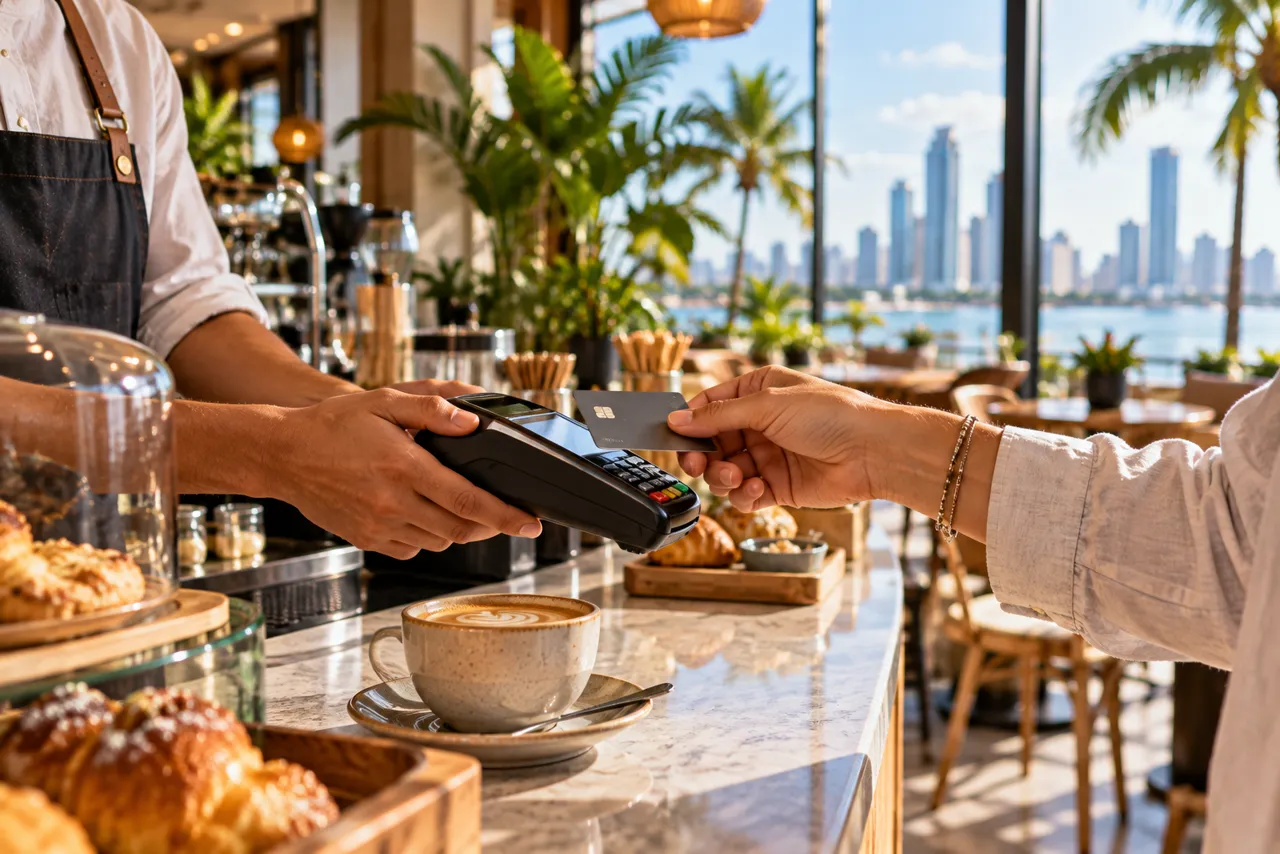
ATMs dispense US dollars. Visitors from the United States have no need to change money, while everyone else can exchange currency or withdraw dollars on arrival. Those planning to live in Panama will find a local account useful — for rent, utility bills, property management and business.
Panama's banking sector is one of the most developed in Latin America, with both local and international banks operating here. A property purchase is usually carried out in dollars, rental income arrives in dollars, and dollars are what you pay for building maintenance, property management and most professional services.
Is Panama expensive to live in?
Panama is often more affordable than the big cities of North America and Western Europe, but it is not the cheapest country in Latin America. Costs depend heavily on where and how you live.
Panama City, especially its upscale neighborhoods — Punta Pacífica, Costa del Este, Santa María, Obarrio, Casco Viejo — can be quite expensive. Beach communities and areas popular with foreigners also tend to cost more than traditional local towns. Outside the capital, though, in the interior provinces and mountain towns, life is noticeably cheaper.
The dollar makes comparison simple: prices in Panama are easy to set against those of any other country — whether you are renting or buying, retiring or investing.
Tips for visitors and new residents
- Bring US dollars with you or withdraw them on arrival.
- Keep small bills on hand — for taxis, tips, small shops and markets.
- Pay by card in larger establishments, but carry cash in rural areas.
- Don't be surprised to get Panamanian coins in your change — they are legal tender and equal in value to American ones.
- One-balboa coins must by law be accepted everywhere, but after a wave of counterfeits some cashiers take them reluctantly.
For new residents: although Panama runs on the dollar, banking procedures here can be stricter than in some other countries. It is worth being prepared for that in advance.
Money that tells the story of a country
Panama's monetary system is no accident. It reflects the country's history and its place in the world. The Canal connected the world's oceans. The banks connected international capital. The ship registry connected the world's fleets. The real estate market connects local growth with foreign investment. And the currency ties Panama to the US dollar — one of the world's leading currencies.
Even the dominance of the dollar has not erased the symbolic meaning of the balboa. It links the monetary system to the nation's history and recalls Panama as the place where Europeans first saw the Pacific Ocean from the American shore.
For anyone considering Panama for relocation, retirement, business or real estate investment, the monetary system is no technical detail. It is one of the reasons the country works so well as a crossroads of the world.
Panama's money tells the same story as the country itself: local at heart, international by design.