About Panama · About the country
Panama Customs
The invisible system behind a global trade hub
Panama is known for its canal, its skyscrapers, its beaches and its role as a bridge between continents. But behind that image stands another important system, one that quietly shapes the country's economy — customs.
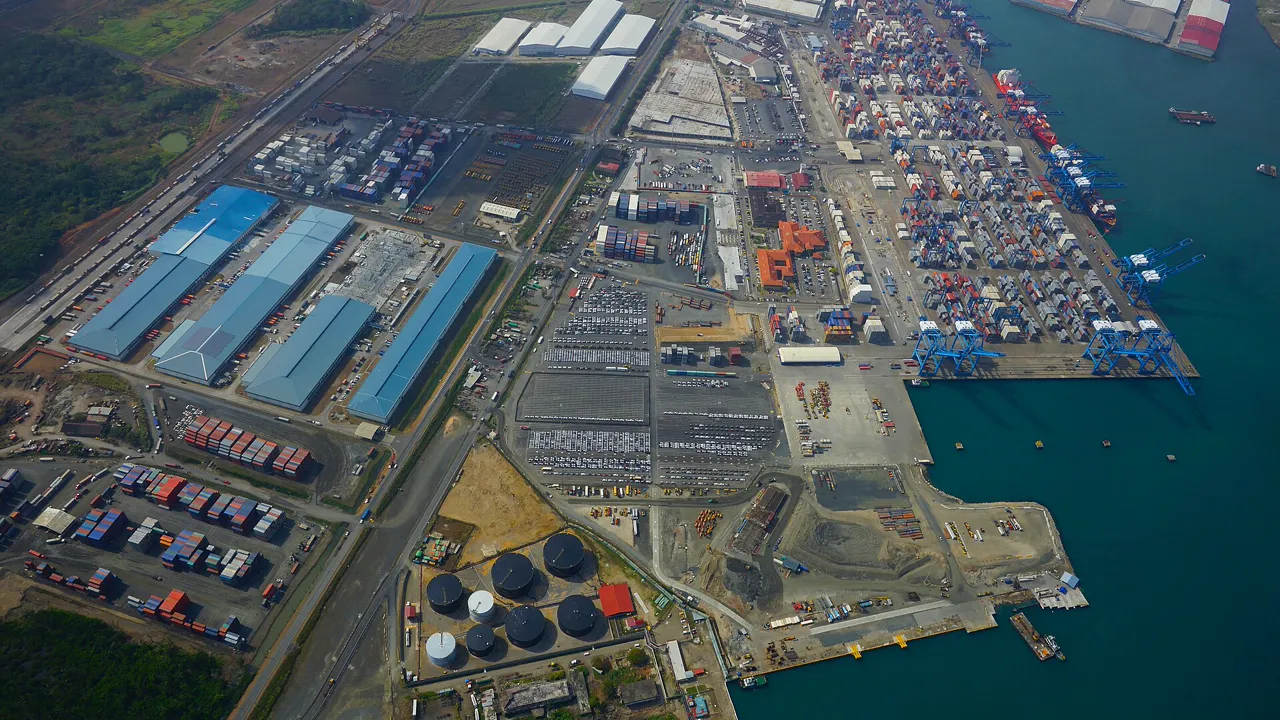
Customs in Panama is more than bag checks at the airport and duties collected on imports. It is part of the country's larger role as one of the leading logistics, maritime and trade centers of the Americas. For tourists, residents, companies and real estate investors, understanding customs helps explain why Panama has become such a powerful international hub.
A small country with a global job
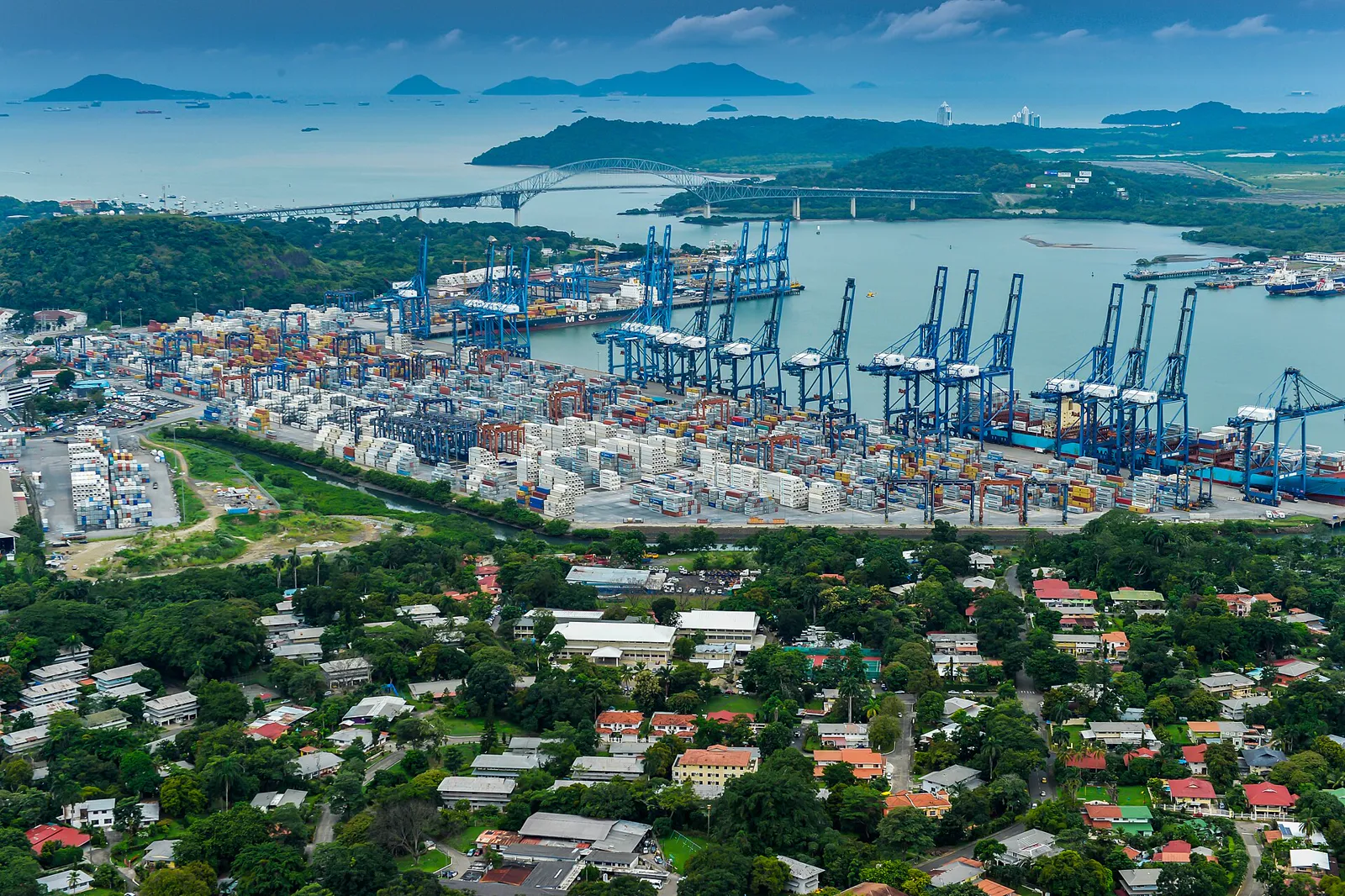
Its position between the Atlantic and Pacific oceans gave Panama a natural role in world trade. The canal links the planet's shipping lanes, the country's ports handle enormous flows of cargo, and its airports connect North and South America, Europe and the Caribbean.
Customs is the system that organizes all of this movement.
Every imported product, commercial shipment, container, car, household item or consignment passes through rules, paperwork and inspection. That makes customs one of the hidden engines of the economy. Without it, Panama could not work as a bridge for trade; with efficient customs, the country becomes a platform for logistics, distribution, warehousing, re-export and international business.
Goods enter the country by sea, by air and by land. Some are imported for local consumption, while others are stored, processed, redistributed or re-exported. A product can arrive from Asia, Europe or North America, pass through Panama's logistics infrastructure and move on to countries across the region.
Panama is not just a place where goods are consumed. It is a place where they are organized, rerouted and connected to the world.
How imports work and what they cost
Bringing goods into Panama usually requires paperwork and customs clearance. Commercial imports most often call for a commercial invoice, a packing list, a bill of lading or air waybill and, where needed, a certificate of origin or special permits.
In many cases importers work with a licensed customs broker. The broker helps prepare documents, classify goods, calculate duties and taxes, file the declaration and deal with customs. This matters especially for importing companies, developers bringing in building materials, retailers and people relocating with their household goods.
The rules depend on the type of goods, their value, origin and destination — and on whether they stay in Panama for good or are only passing through in transit.
Duties and taxes
Duties in Panama are usually calculated on value — as a percentage of the declared price, including cost, insurance and freight. On top of duty, imports may be subject to ITBMS, Panama's value-added tax. The final amount depends on the product category, its tariff classification, the declared value and any trade agreements in force.
Some goods carry low duties, while others require higher rates, permits or additional controls. That is why professional advice matters both for commercial importers and for anyone bringing valuables into the country.
What tourists need to know
For the ordinary traveler, customs in Panama is generally simple. Whether you fly into Tocumen International Airport or arrive through another point of entry, you can bring your personal luggage and a reasonable quantity of items for personal use.
Take more care with large quantities of new items, goods for sale, expensive electronics, cash, jewelry, alcohol, tobacco, food, medicines and restricted items. If your belongings look like merchandise for resale, customs may treat them differently from personal luggage.
As in any country, honesty is what counts. Declaring your belongings properly is almost always safer than trying to avoid questions at the border.
Moving: household goods and cars
People move to Panama for retirement, business, investment, family or lifestyle. And one of the most practical questions for new residents is how to bring their belongings: furniture, kitchenware, clothes, books, appliances and everything they use day to day.
You will usually need an inventory, copies of passports, shipping documents and customs clearance. Depending on your immigration status, timing, the type of goods and whether they are new or used, exemptions may apply. But the rules can be very specific, and the paperwork decides a great deal.
Cars
Bringing in a car is more complicated than luggage or household goods. Cars and motorcycles usually require customs documents, proof of ownership, shipping documents and payment of duties and taxes. The cost depends on the vehicle's price, age, type, engine size and condition.
For some people importing their own car pays off; for others it is simpler to buy one in Panama. Before deciding, work out the full cost: shipping, duties, local registration, inspection, insurance and broker fees.
Tips for people relocating
- Make a detailed inventory of your belongings.
- Keep used household goods separate from new merchandise.
- Hold on to receipts where you can.
- Check whether any items require permits.
- Do not ship prohibited or questionable items.
- Work with a customs broker or an international moving company.
- Check the rules before you bring in a car.
- Be realistic about port charges, storage fees and clearance times.
Good preparation saves money and spares you needless stress.
What you cannot bring in, or only with a permit
Like other countries, Panama controls or restricts the import of certain goods: weapons, some medicines, plants, animals, food products, chemicals, telecommunications equipment, counterfeits and anything that needs sanitary, technical or environmental approval.
Some goods require advance permission from government agencies. This matters especially for companies, stores, restaurants, developers, laboratories, agribusinesses and importers of medical products. Trying to bring in restricted goods without a permit can lead to delays, fines, confiscation and other legal problems.
If you are unsure whether something can be brought in, ask in advance. That is always cheaper than finding out at the border.
The Colón Free Zone
No account of Panama's customs is complete without the Colón Free Zone — the Zona Libre de Colón. It is one of the most important free trade zones in the world and one of the country's key commercial assets.
The zone sits at the Caribbean entrance to the Panama Canal and operates as a major distribution and re-export center. Goods can be brought into the zone, stored, repackaged, assembled, labeled, sold and shipped onward under a special customs regime. That is what makes it so attractive to companies trading with Latin America and the Caribbean.
For many companies, Panama is not the final destination but the strategic midpoint of the journey.
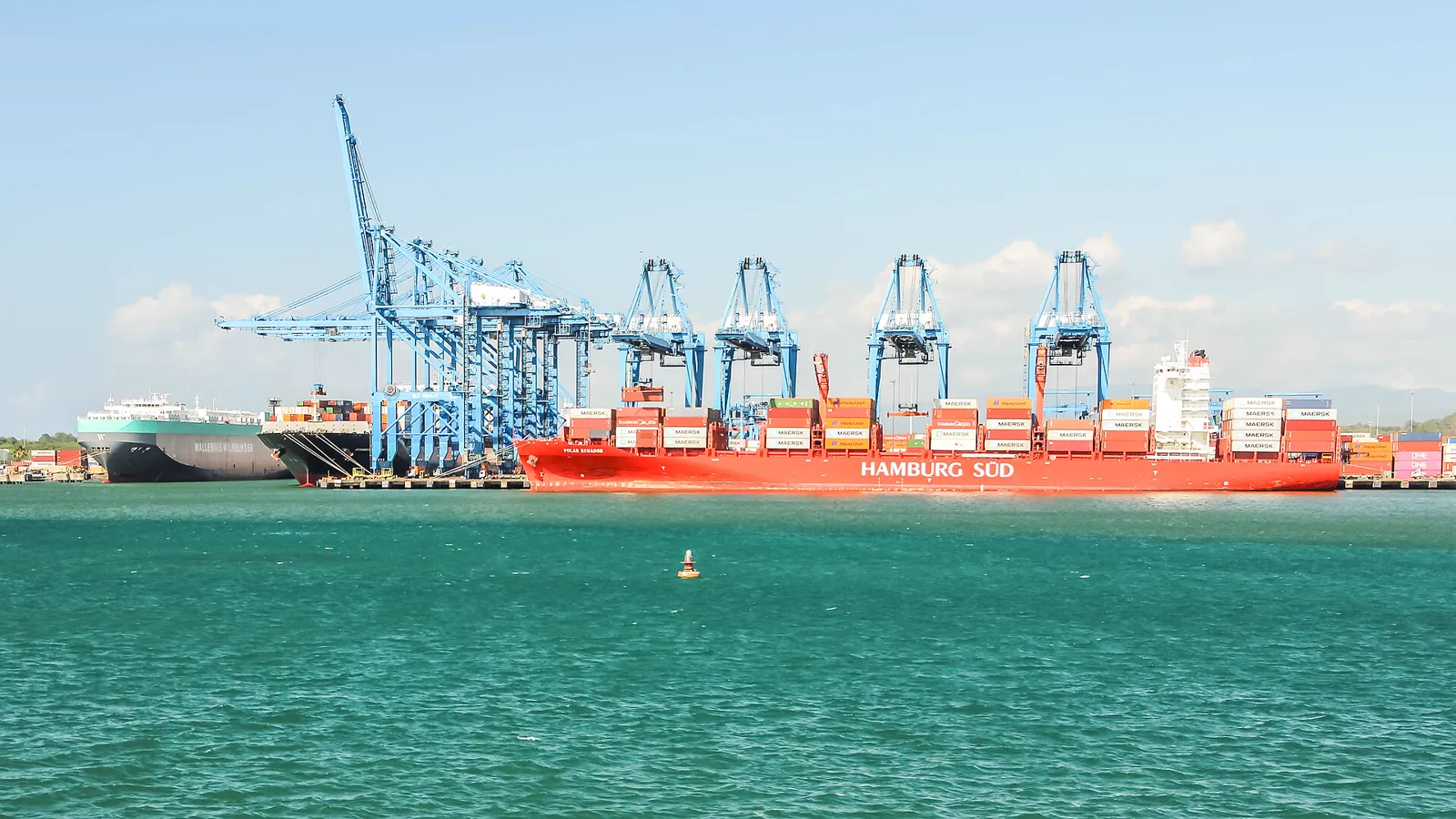
Goods arrive in large consignments, are distributed in Panama and then shipped onward to markets across the region.
Free zones and special economic zones
Beyond Colón, Panama has several free zones and special economic areas. They can offer companies customs, tax, logistics and operational advantages, and are designed for businesses in distribution, manufacturing, services, technology, logistics and regional headquarters.
The goal is simple: to make Panama not just a transit point but a place from which companies can efficiently run trade across the whole region.
Tips for companies and investors
For a business, customs planning is a financial question. Before importing goods, it pays to understand tariff classification, duties, taxes, permits, paperwork, storage costs and timelines. A small mistake in classification or documents can cause delays, while a well-designed import setup lowers costs and improves cash flow.
Companies that use Panama as a regional distribution hub should compare regular importing with the free zones. For some business models a zone is more profitable; for others, importing directly into the domestic market is simpler.
For investors, this is an important part of the country's appeal: Panama relies not only on tourism and real estate but also on a deep trade and logistics infrastructure that supports the economy over the long term.
Customs and real estate
At first glance, customs seems far removed from real estate. But in Panama the connection is stronger than it looks. A country with efficient ports, free zones and international logistics attracts companies, executives, expats and foreign investment. And that means demand for offices, warehouses, apartments, luxury homes and rentals.
Areas tied to logistics, trade, business services and international companies benefit from this activity. Panama City, Panamá Pacífico, Colón, Tocumen and other strategic locations have been shaped in large part by the movement of goods and capital.
Customs helps explain why housing demand in Panama rests on more than tourism.
Building materials and furniture
Construction depends on imports too: many materials, finishes, equipment, elevators, appliances, lighting, furniture and elements of high-end interiors are brought in from abroad. As a result, customs procedures affect project timelines and costs. For a developer, a clearance delay can slow construction, and for a buyer furnishing a new apartment or villa, duties and logistics shape the final budget — especially in the luxury segment, where imported materials and designer furniture are the norm.
Customs in everyday life
Few people think about customs in a supermarket, a shopping mall or a furniture showroom. Yet it is everywhere: imported food, electronics, clothing, cars, building materials, medical equipment and household goods all pass through the country's customs and logistics system.
That is why Panama feels far more international than many countries its size: the variety of goods, brands and services is directly linked to its role as a logistics hub.
A country built around movement
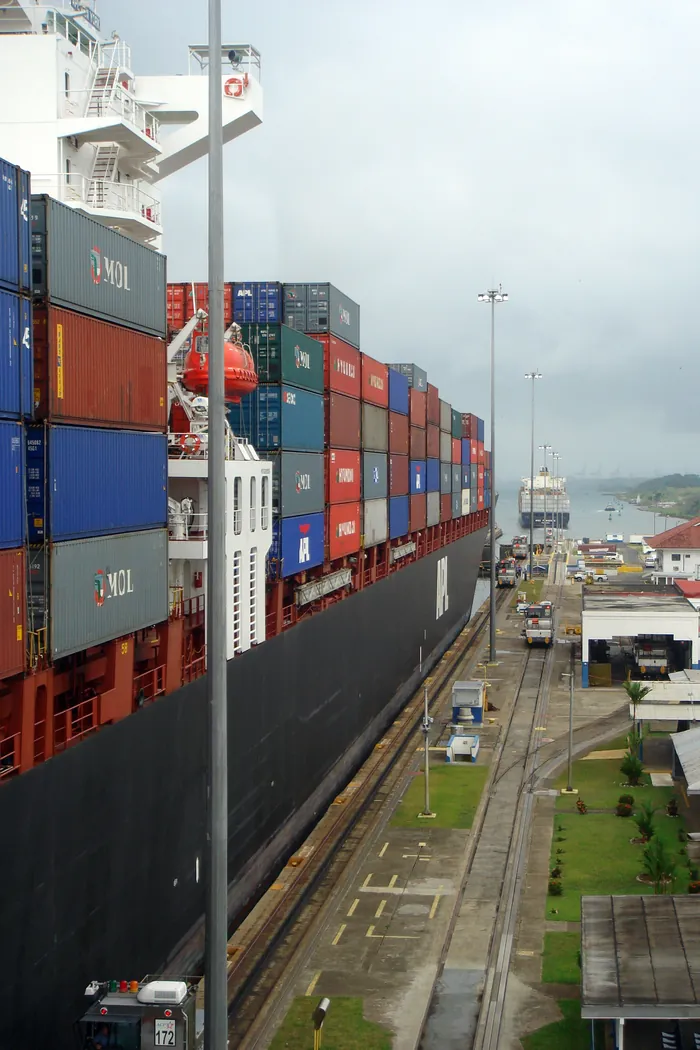
Customs in Panama is more than bureaucracy. It reflects the country's role in the world. Panama has always been a passageway: first for the trade routes of indigenous peoples, then for Spanish silver, then for the Panama Railroad, then for the canal — and now for containers, air cargo, international business and regional distribution networks.
Customs is the modern gatekeeper of this movement: it controls, records and organizes the flow of goods through one of the most strategic countries in the Americas.
People, ships, capital and goods all move through Panama.
This constant movement has created one of the most open and globally connected economies in Latin America. For property buyers and investors, that matters: a property's long-term value is supported not only by beautiful views and modern buildings but also by infrastructure, trade, employment, business activity and international demand. Panama's customs system is part of that foundation.
In a country built as a bridge between oceans and continents, customs is not just a border formality. It is part of Panama's economic story.