About Panama · About the country
Education in Panama
International schools, universities and a country made for global families
For families considering a move to Panama, education is often one of the most important questions. A beautiful apartment, an ocean view and tropical living are what catch the eye first. But families make decisions differently: they ask where the children will go to school.
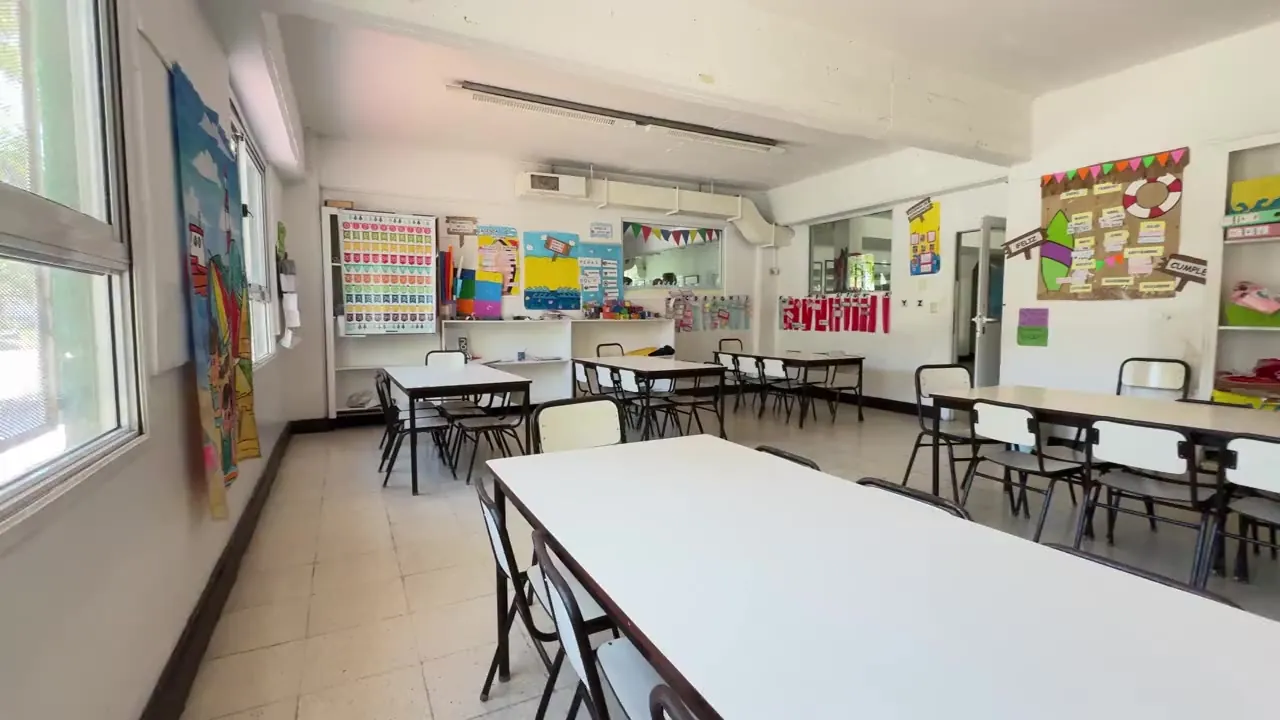
Parents look for safe neighborhoods, good schools, an international community, language opportunities and prospects for years to come. That is why education plays such an important role in Panama's appeal to expats, investors and foreign residents. Panama is not just a place for business, retirement and real estate investment. It is a country where families from different parts of the world can build a comfortable, globally connected life.
A Country with an International Mindset
Panama has always been a crossroads. Ships pass through the canal, planes from all over the Americas fly through Panama City, companies use the country as a regional hub, and families arrive from North and Latin America, Europe, Asia and the Middle East.
This international character is reflected in education as well.
Panama has public, private, bilingual and international schools, as well as universities. The strongest options are concentrated in Panama City, but other regions also have schools for local and foreign families. For foreigners, this variety is one of the main advantages: parents can choose instruction in Spanish, a bilingual program or an international one.
Public and Private Schools
The public system serves the local population. Public schools usually teach in Spanish and follow the national curriculum, and for Panamanian families they are an important part of the country's social fabric.
Most foreign families, however, choose private or international schools — especially if the children speak little Spanish or the family wants to maintain continuity with an education system abroad. A public school may suit those seeking full cultural immersion, but differences in language, curriculum and paperwork are worth weighing in advance.
Private schools
Private schools are common in Panama, especially in the capital. Many have better facilities, smaller classes, bilingual programs, extracurricular activities and more international exposure. Some teach mainly in Spanish with strong English, while others are fully bilingual.
For families planning to stay long term, a bilingual private school is an excellent choice: the child becomes fluent in Spanish while also studying in English.
International Schools
International schools are one of the greatest strengths of education in Panama for expat families. Panama City has several well-known schools with programs based on American, British, IB (International Baccalaureate) and other global models. Their students include the children of diplomats, corporate executives, investors, entrepreneurs and professionals who relocate often.
The main advantage for parents is continuity. A child moving from the United States, Europe, Asia or another international setting can keep studying in English and later apply to universities abroad.
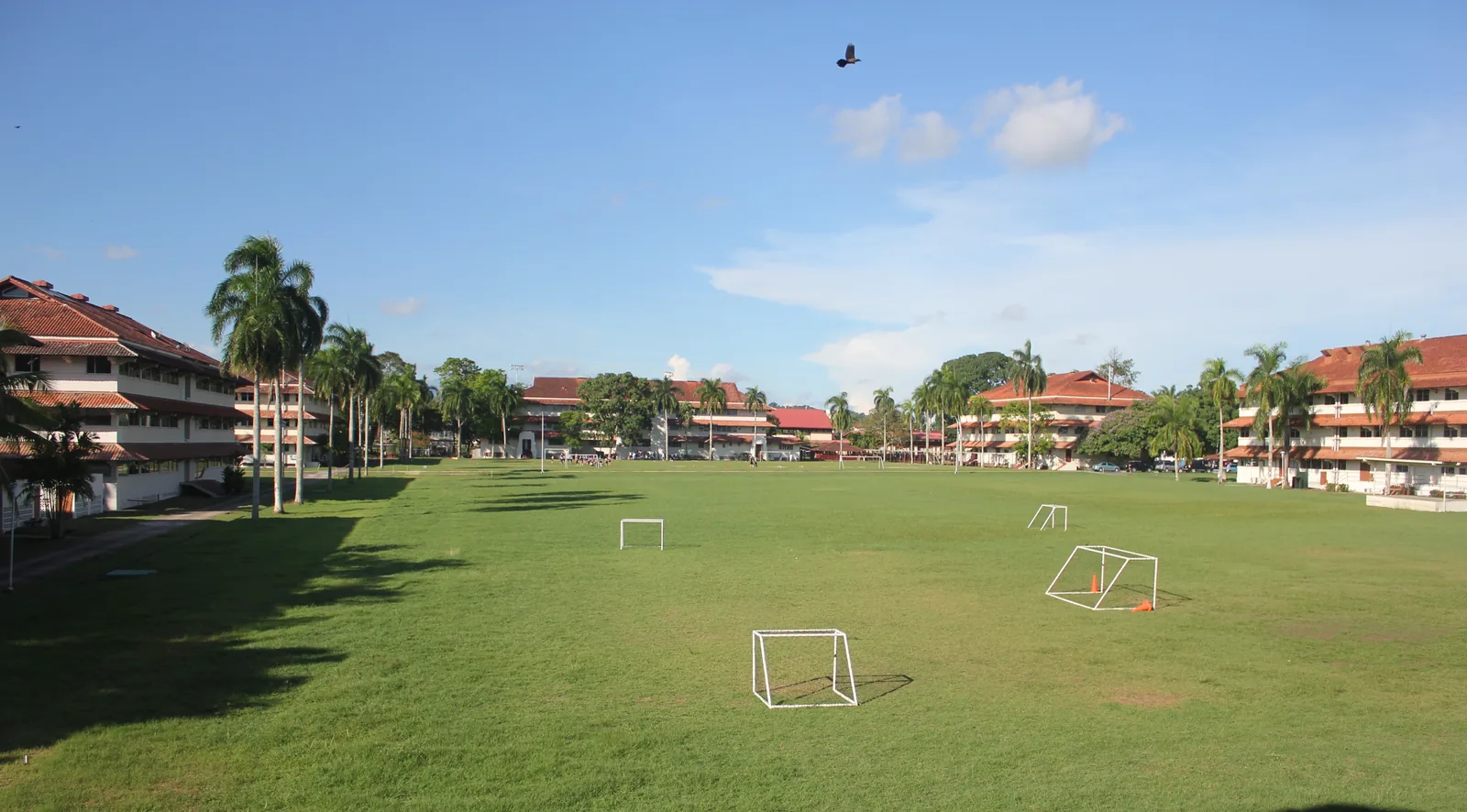
International schools also help children socially: everyone there is used to different nationalities, languages and cultures.
For many families, the school community becomes their first social circle in Panama.
Two Languages — One of the Greatest Advantages
Spanish is the official language and the language of everyday life. English is widely used in business, banking, logistics, tourism, international real estate and around the Panama Canal. That makes Panama an ideal place to grow up bilingual.
A child who goes to school in Panama learns Spanish not as a school subject but as part of life. And an English-language school keeps the connection to global study and career opportunities.
For many foreign families, the strongest path is not English instead of Spanish, but English plus Spanish.
It gives children both roots in Panama and the freedom to study and work anywhere in the world.
Schools and Choosing a Neighborhood
Education has a direct effect on housing demand. Families often choose a neighborhood by its proximity to school — especially in Panama City, where commute times weigh heavily on daily life. Neighborhoods near good private and international schools attract family buyers and long-term tenants, and that supports demand for apartments, houses, gated communities and spacious family homes.
The best neighborhoods for families in Panama City
- Costa del Este — one of the most family-friendly areas of the capital: modern residential towers, parks, schools, offices and good infrastructure.
- Santa María — upscale residential complexes, golf, security and high-end living.
- Clayton and the former Canal Zone — greenery, spacious houses, international schools and a quiet atmosphere.
- Punta Pacífica and San Francisco — urban convenience, hospitals, shopping malls and every city service.
Each neighborhood has its own rhythm of life, and the location of the school often becomes the deciding factor.
Beyond the capital
Panama City has the most international schools, but there are options elsewhere too. Boquete and David in Chiriquí Province attract expat families and retirees, and both have private and bilingual schools. Coronado and the neighboring Pacific towns also have schools for local and foreign families. The choice there may be smaller, and international programs are not available everywhere — so education should be part of your relocation plan from the very start.
Universities
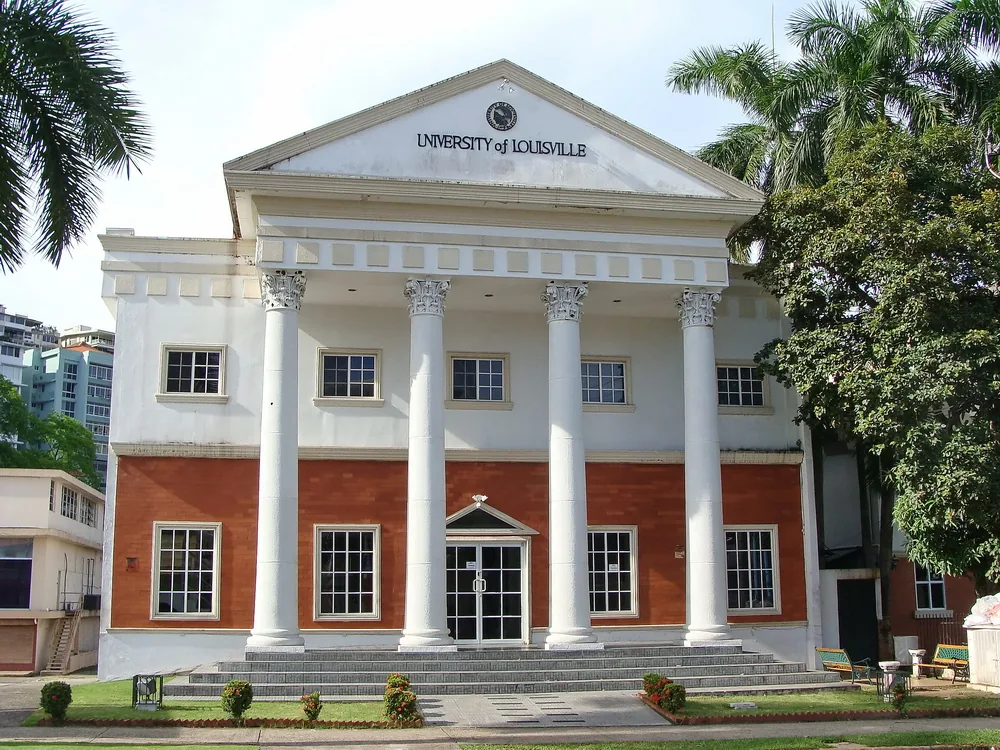
Panama's higher education sector is growing: public and private universities offer programs in business, law, engineering, medicine, finance, logistics, tourism, technology and the social sciences. Because the country is a regional business hub, business, logistics, maritime studies, banking and international trade are especially in demand. Some universities partner with foreign institutions or teach in two languages.
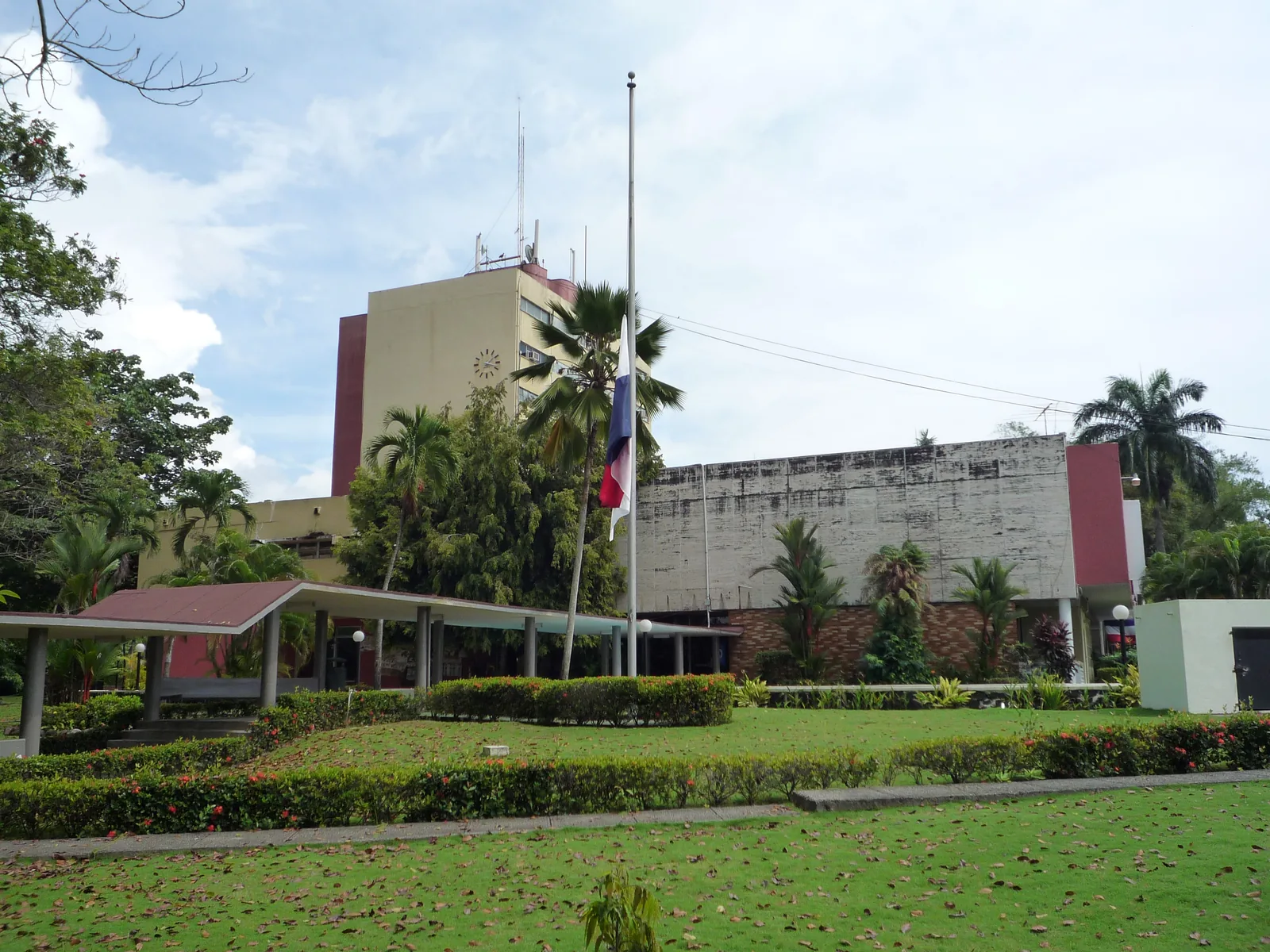
For those who want to stay in Panama after school, local universities open the way into the country's professional job market. For others, an international school helps prepare them for study in the United States, Canada, Europe or Latin America.
Life Beyond the Classroom
Private and international schools usually offer sports, music, art, robotics, debate, volunteering, languages and outdoor activities.
And Panama's geography turns the country into an open-air classroom: students take trips to the rainforest, to beaches, to indigenous communities, to the canal, to historic sites, to marine reserves and to the mountains.
A child can study biodiversity, history, global trade and culture without leaving the country.
School shapes the way you live
The school run determines where parents live. Activities set the daily routine. Classmates become friends, and parents find their own social circle through the school. That is why choosing a school often comes before choosing a home — and many successful moves to Panama begin with a single question: where will the children go to school?
For a buyer this matters: the best property is not always the one with the most impressive view, but the one that fits the family's real life.
How school helps you settle in
School is one of the easiest ways to become part of life in Panama. International schools warmly welcome newcomers, parents meet families going through the same journey, and children adjust faster among kids from different countries. School celebrations, sports, cultural days and parent groups help everyone feel at home.
Homeschooling and alternative education
Some families choose homeschooling or alternative education — for example, digital nomads, families who travel a lot, or parents who want a personalized curriculum. The rules for this kind of schooling and its recognition are worth checking in advance, especially if university admission or another move is in the plans.
What Schooling Costs and Why It Matters to Investors
The cost of education in Panama varies widely. Public schools are the most affordable option, private bilingual schools cost more, and international schools with global programs and strong facilities can cost considerably more.
- Tuition and enrollment fees.
- Uniforms and school supplies.
- Transportation and meals.
- Clubs and sports.
Families should build school costs into their budget before choosing a home. And investors who rent to expat families benefit from understanding these costs: they affect how much a family is willing to pay in rent.
Why schools matter to investors
Education is one of the most reliable indicators of long-term housing demand. Where families want to live, demand is more stable. Neighborhoods near good schools tend to bring longer leases, reliable tenants and predictable occupancy. This is especially true in Panama City, where international companies, embassies, banks, logistics firms and regional headquarters bring in professionals with their families — and for them, being close to a school can matter more than nightlife and tourist spots.
Education creates “sticky” demand: families are reluctant to move once their children have settled in at school.
A Country for Families
Panama is often pictured as a country for retirees and investors. But it is also a country for families: international schools, modern healthcare, convenient flights, life close to nature, two languages and access to both the city and the wild. Children grow up in a country calm enough for family life, international enough for big opportunities and diverse enough to broaden their view of the world.
As more and more foreigners come to Panama, education will only grow in importance. Demand for bilingual schools, international programs, technology education and modern campuses is likely to rise — and that will shape both how schools develop and where housing gets built. Neighborhoods with strong school infrastructure will become even more attractive to families.
A home is more than a place to sleep. It is where children grow, learn and build their future.
Education in Panama brings together a Spanish-speaking tradition, bilingual opportunities, international schools and close-knit family communities. For anyone thinking about buying a home, relocating or investing in family real estate, schools deserve consideration from the very start. Panama offers families something that is increasingly rare: a country where education, lifestyle and global opportunity come together in one place.