Buying guide: Buying Property in Panama, Step by Step
Buying property in another country can feel complicated. Different laws. Different language. Different neighborhoods. Different developers. Different contracts. Different expectations. That is why our work begins long before a client chooses a property. At PanaVera, we guide you through the entire process of buying real estate in Panama — from the first conversation to the moment you receive the keys, and beyond. Our goal is simple: to make your purchase clear, structured and efficient. You do not need to understand the Panama real estate market alone. We help you ask the right questions, compare the right options and move through each stage with confidence.
The whole process at a glance
Thirteen steps — from the first conversation to after-sale support. Click any step to jump straight to it.
Step 1 of 13
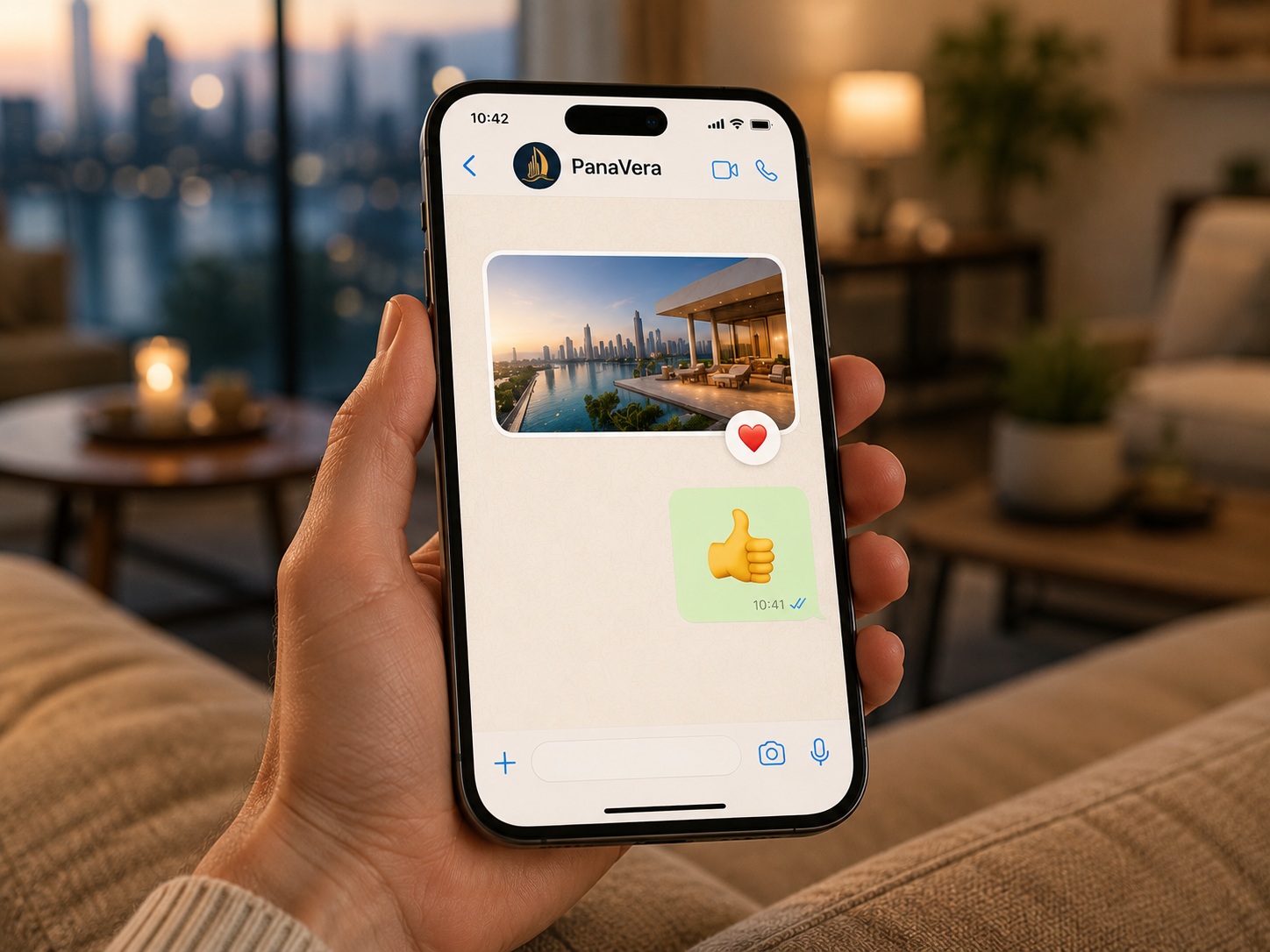
First Consultation
The first step is not a property viewing. It is a conversation. Before we recommend anything, we need to understand what you are trying to achieve. Are you buying a home for yourself? A second residence? An investment property? A future retirement base? A relocation option for your family? A rental unit? A property connected to residency planning? Each goal requires a different strategy. During the first consultation, we discuss your budget, preferred lifestyle, desired location, timeline, financing needs, risk tolerance and expectations. This helps us avoid one of the most common mistakes in international real estate: showing beautiful properties that do not actually match the client's real objective.
Step 2 of 13
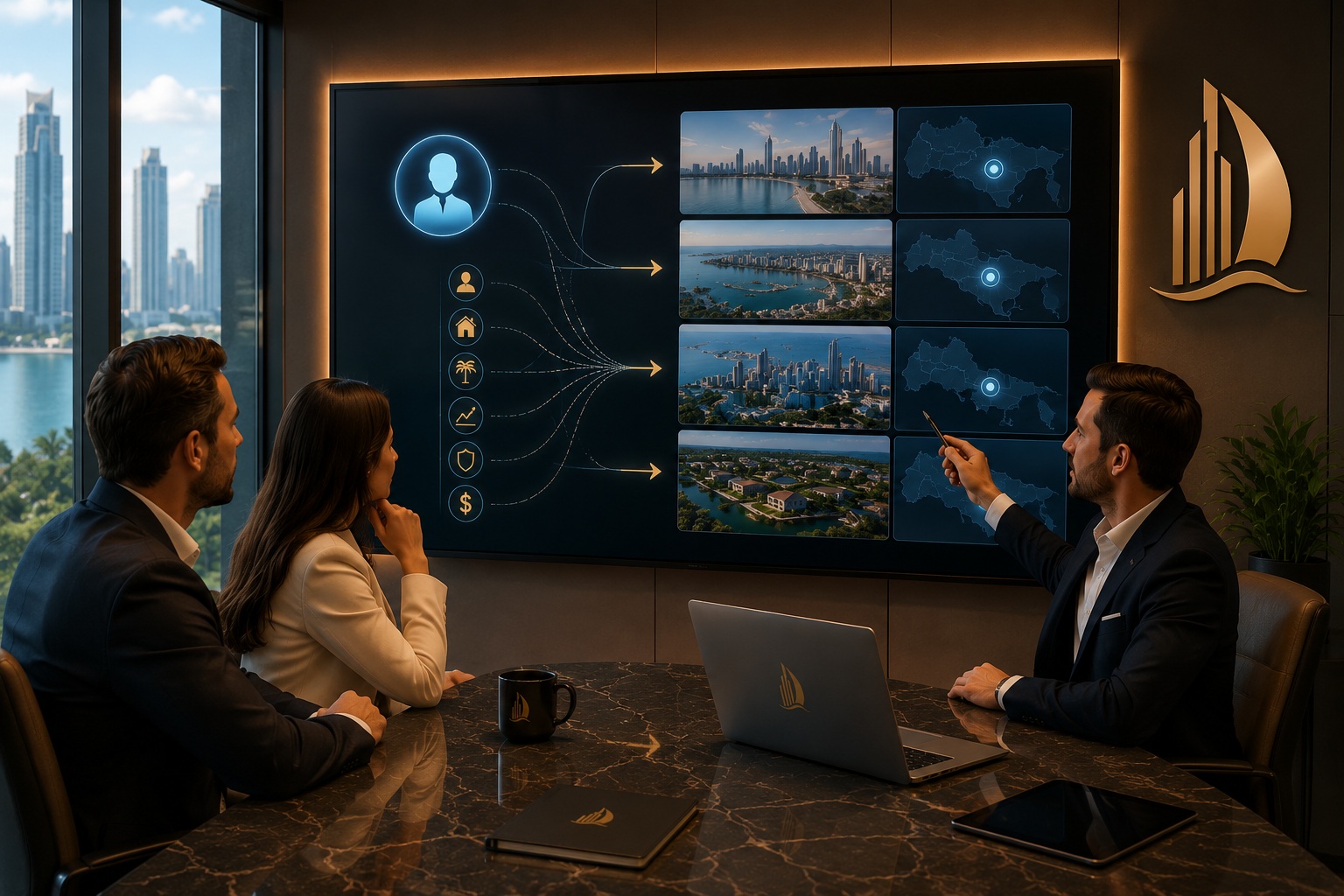
Defining Your Buying Strategy
Once we understand your goals, we help you define the right buying strategy. For a lifestyle buyer, the focus may be comfort, safety, views, neighborhood quality, healthcare, schools and everyday convenience. For an investor, the focus may be rental demand, liquidity, price growth, building management and exit strategy. For a family, the priority may be schools, security, space and community. For a retiree, the priority may be healthcare access, calm surroundings, walkability and long-term comfort. For a buyer planning relocation, we look at daily life, transport, services and practical integration. This stage helps turn a broad wish into a clear search plan. Instead of asking, "What can I buy in Panama?" we help you answer a better question: "What should I buy in Panama for my specific situation?"
Step 3 of 13
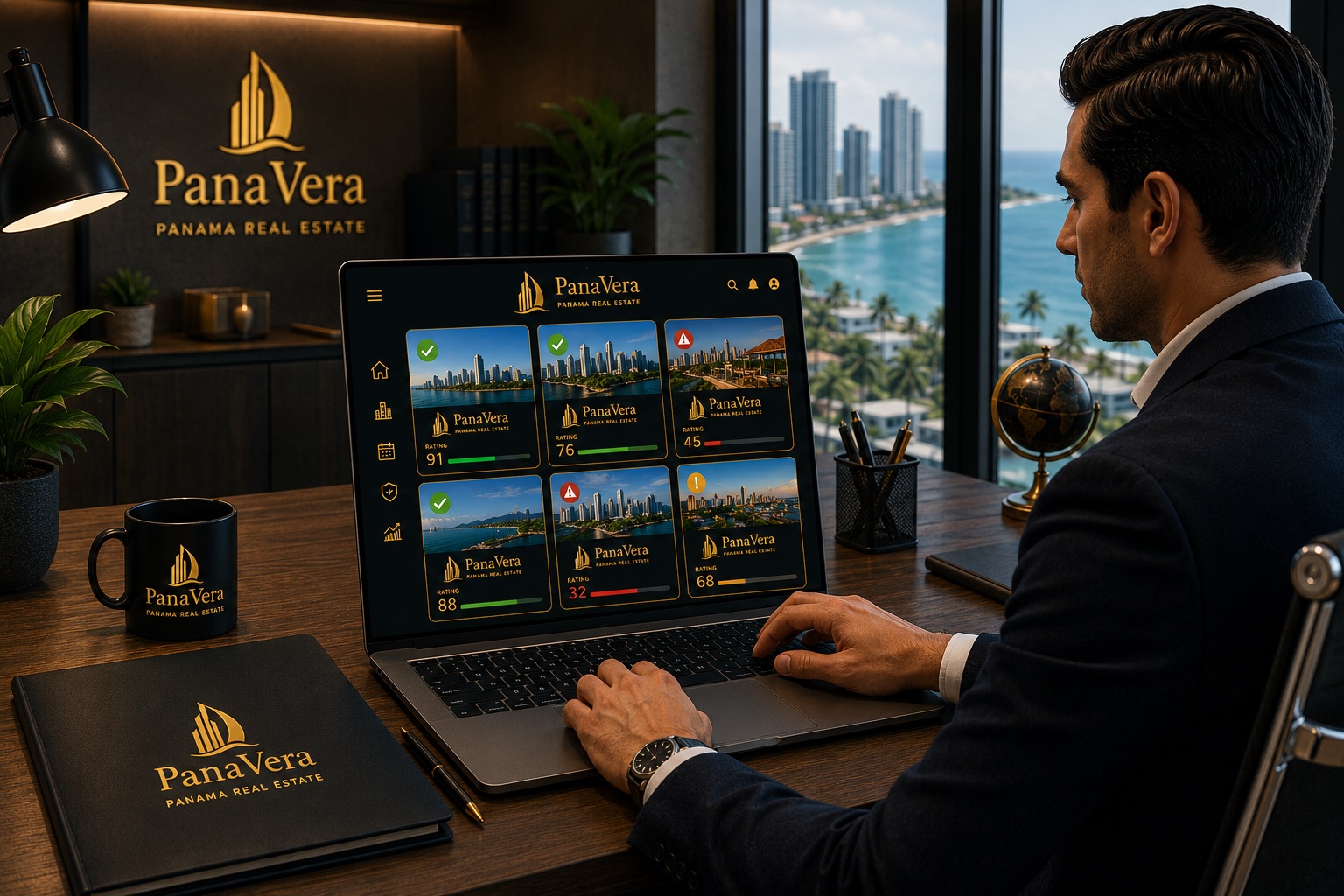
Property Selection
After the strategy is clear, we begin selecting properties. We do not simply send a long list of random listings. We filter the market according to your goals. Each property is reviewed based on location, price, quality, developer or seller reputation, building condition, payment terms, rental potential, management quality and suitability for your intended use. The purpose of this stage is to save your time. A good property search is not about seeing everything. It is about removing what does not fit before it reaches you.
Step 4 of 13
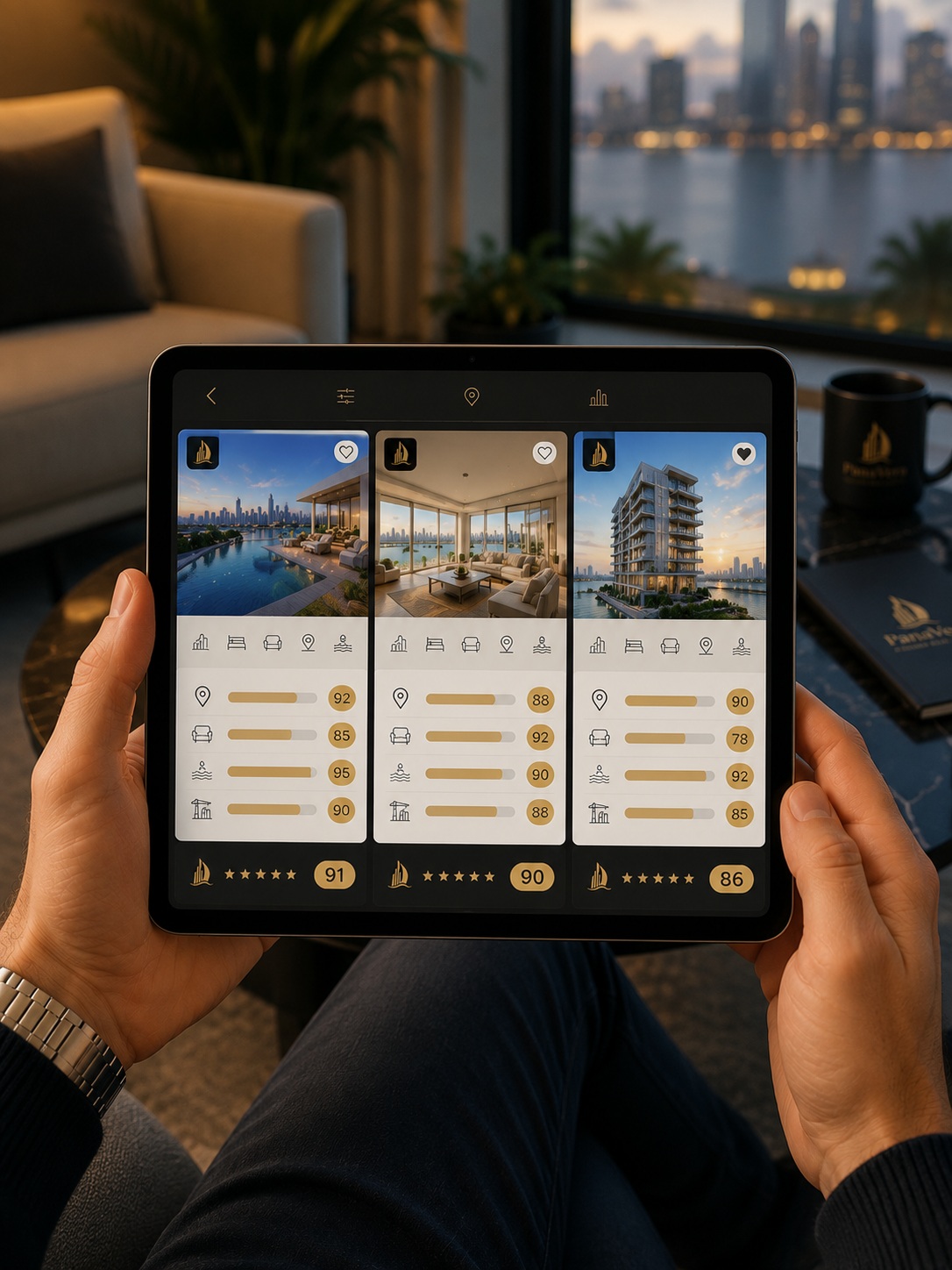
Shortlist Preparation
After the initial selection, we prepare a shortlist of the most relevant options. This shortlist usually includes only properties that deserve serious attention. For each option, we explain why it may fit your goals, what its strengths are, what should be checked carefully and how it compares with alternatives. This makes the decision process easier. Instead of facing dozens of confusing options, you receive a clear and structured view of the best available choices.
Step 5 of 13
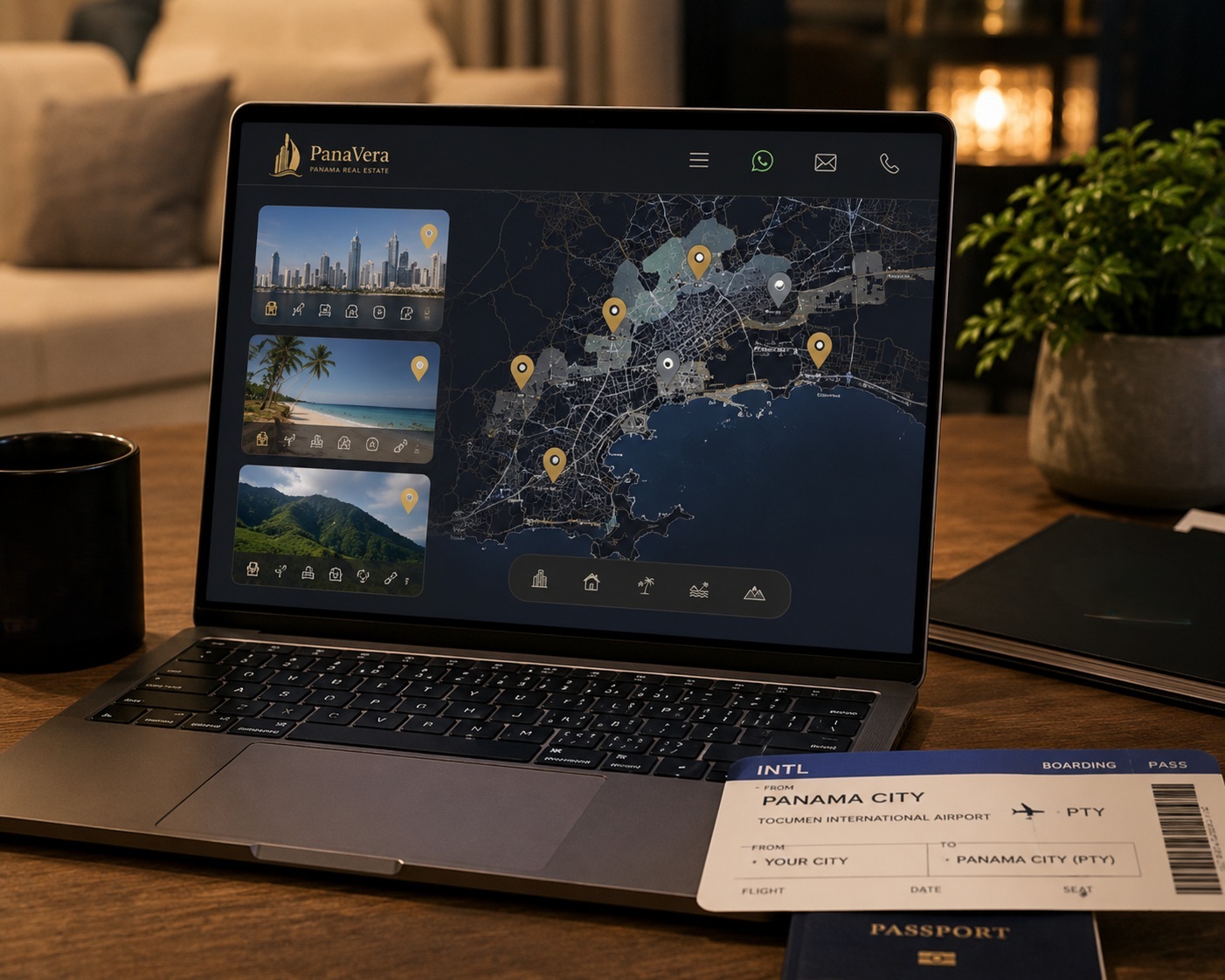
Planning Your Visit to Panama
If you decide to visit Panama, we help organize the property tour efficiently. A real estate trip should not feel chaotic. We help plan the viewing route, schedule meetings, coordinate access to properties and organize your time so that each day brings useful information. During the visit, you do not only see properties. You understand neighborhoods. You compare lifestyles. You see distances, traffic, building quality, surroundings, infrastructure and the real atmosphere of each area. This is often the moment when Panama becomes much clearer.

Step 6 of 13
Viewing Selected Properties
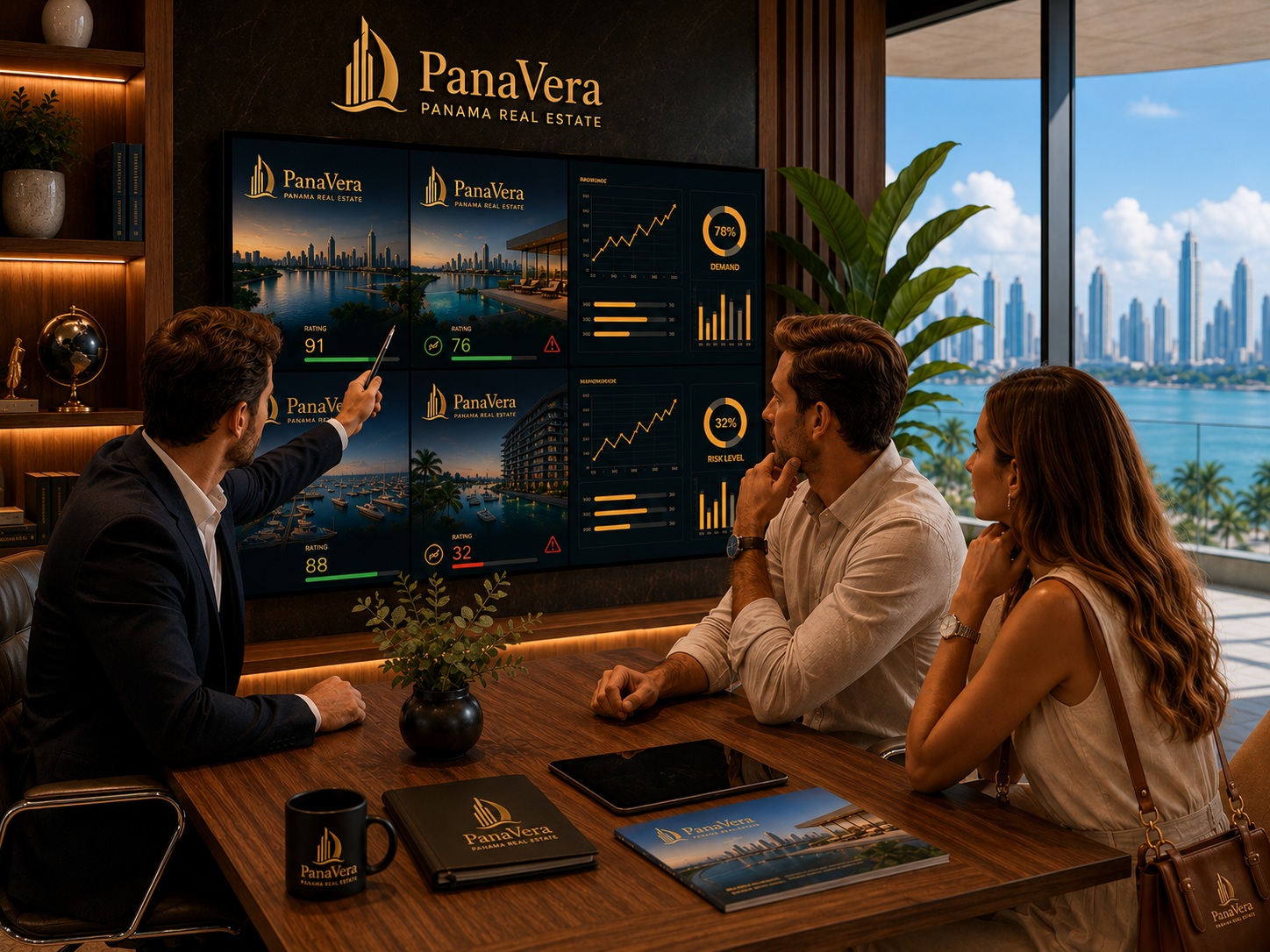
During property viewings, we help you look beyond the surface. A beautiful lobby or ocean view is only part of the story. We help you evaluate practical details: How good is the location? Who lives in the building? How is the property managed? What are the monthly costs? Is the area convenient for daily life? Is the building suitable for rental? Is there future competition nearby? Is the price justified? What are the possible weaknesses? Our role is not only to show properties. It is to help you understand them.
Step 7 of 13
Choosing the Right Property
After the viewings, we help you compare the options calmly. Some properties look impressive at first sight but may not be the best long-term choice. Others may seem less emotional but work better financially or practically. We help you separate emotion from logic. The final decision should match your lifestyle, budget, risk level and long-term plan. Our goal is not to push you toward the fastest decision. Our goal is to help you make the right one.
Step 8 of 13
Negotiation and Reservation
Once you choose a property, we help with negotiation and reservation. Depending on the situation, negotiation may involve price, payment schedule, included furniture, parking, storage, closing date, developer incentives, upgrades or other terms. Sometimes the best result is not only a lower price. It can be better payment terms, more flexibility, better included equipment or a safer transaction structure. After the main terms are agreed, the property may be reserved while legal and financial checks are prepared.
Step 9 of 13
Legal Review
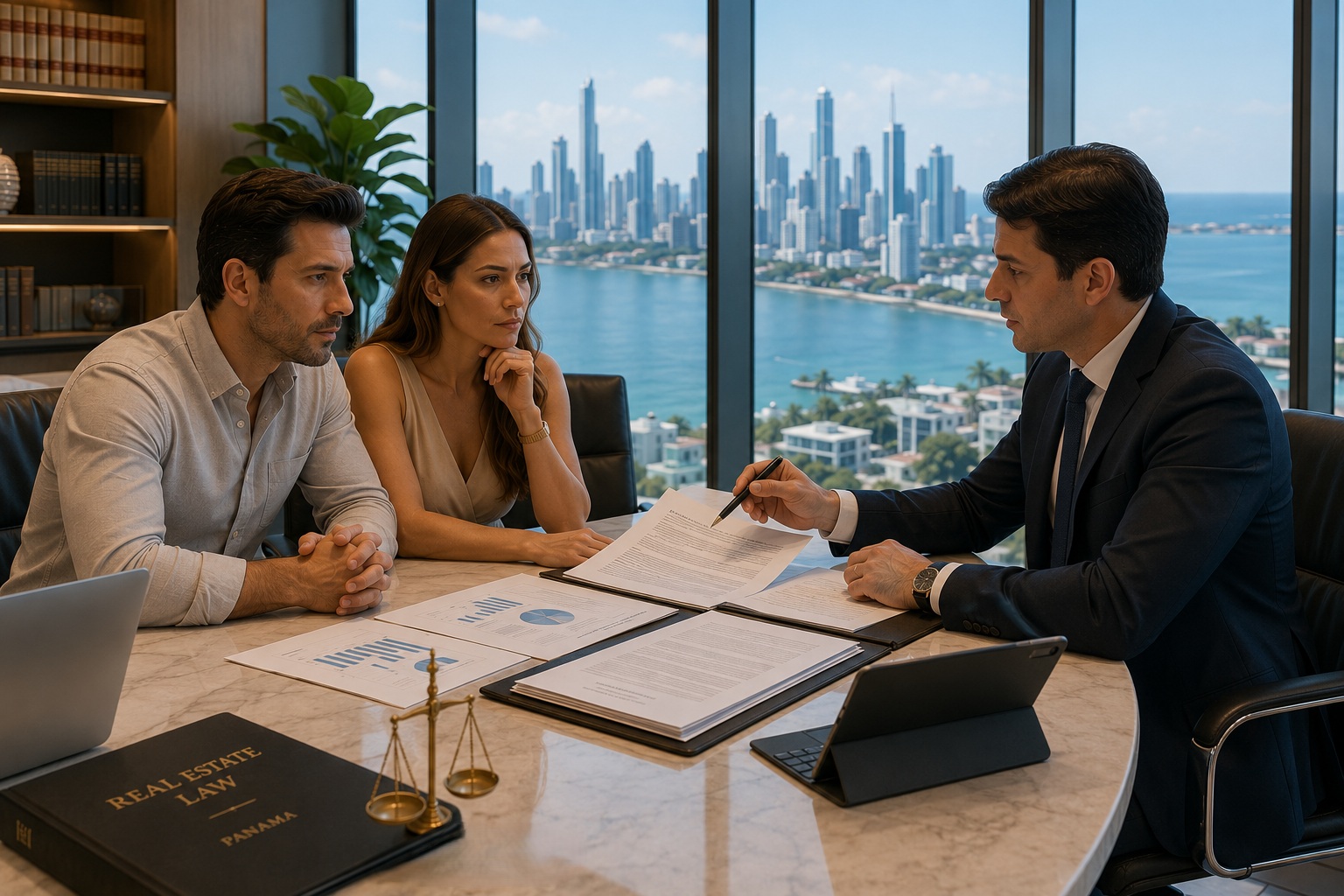
Before moving forward with significant payments, the legal side must be reviewed. We help coordinate this process with qualified legal professionals. The legal review may include checking title, seller authority, taxes, liens, condominium rules, payment terms, contract conditions, developer documentation and closing procedure. PanaVera does not replace your lawyer. But we help you understand what needs to be checked and make sure the process moves in the right order. This step is essential for protecting your interests.
Step 10 of 13
Transaction Process
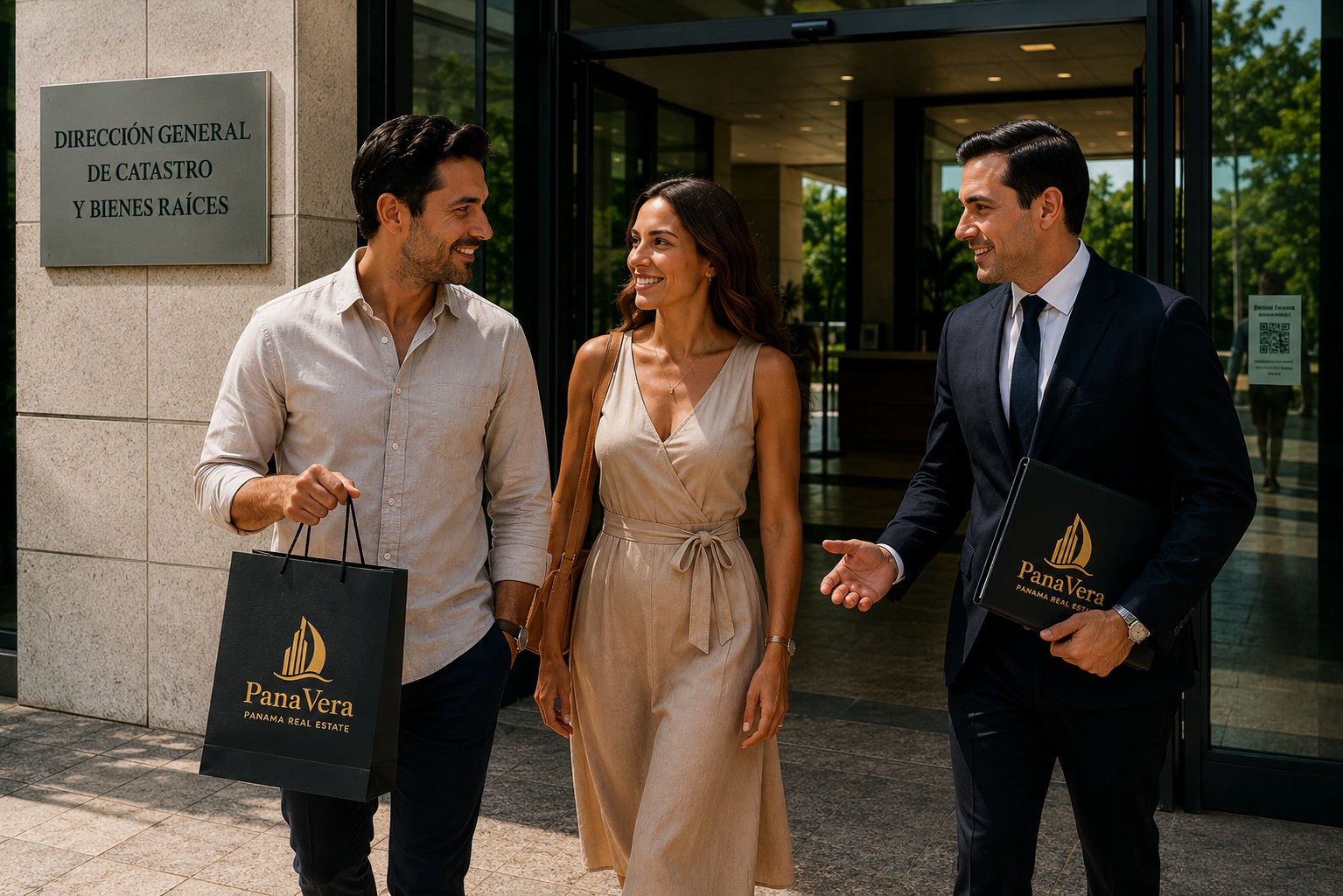
The transaction process may include several stages: reservation agreement, deposit payment, purchase agreement, escrow arrangements, legal due diligence, final payment, signing of the public deed, registration of ownership, key handover. We guide you through each stage so that you understand what is happening, what documents are needed and what comes next. For foreign buyers, this support is especially important because the process may differ from what they are used to in their home country.
Step 11 of 13
Financing and Payment Support
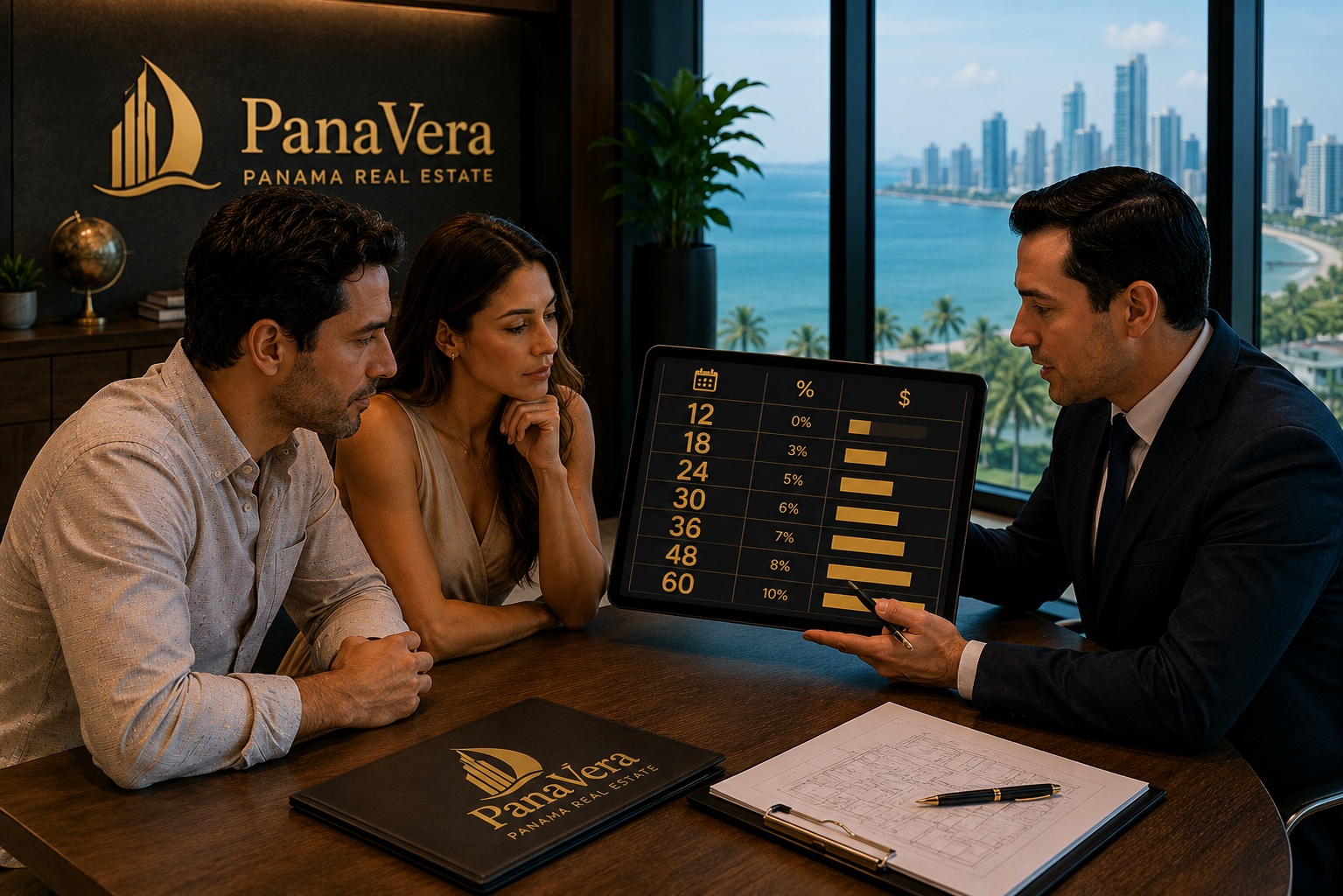
If you are using a developer payment plan or applying for a mortgage, we help you understand the structure before you commit. Developer payment plans are common in Panama, especially for pre-construction projects. However, they are not the same as bank loans. We help you understand when payments are due, how much must be paid before delivery, what happens at closing and whether bank financing may be needed. If you plan to seek a mortgage, we help you understand the basic expectations for foreign buyers and connect you with relevant professionals when needed. The goal is to make sure the payment structure fits your financial plan.
Step 12 of 13
Key Handover
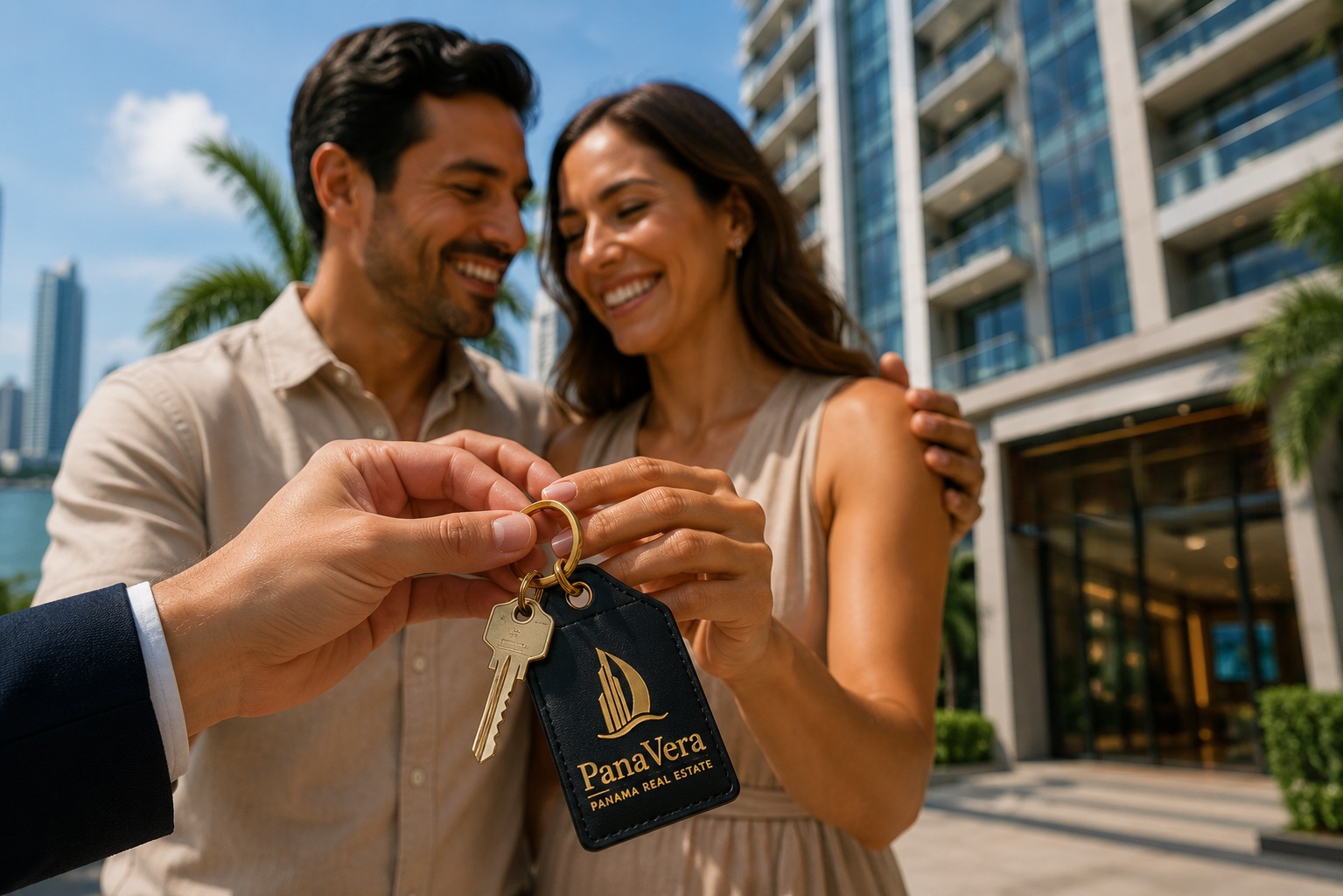
Receiving the keys is an important moment. But it is not only symbolic. At this stage, the property should be inspected, documents should be checked, utilities and building administration should be organized, and any remaining practical issues should be addressed. We help make the transition from buyer to owner smoother. This may include coordination with the seller, developer, building management, lawyer or property manager.
Step 13 of 13
After-Sale Support
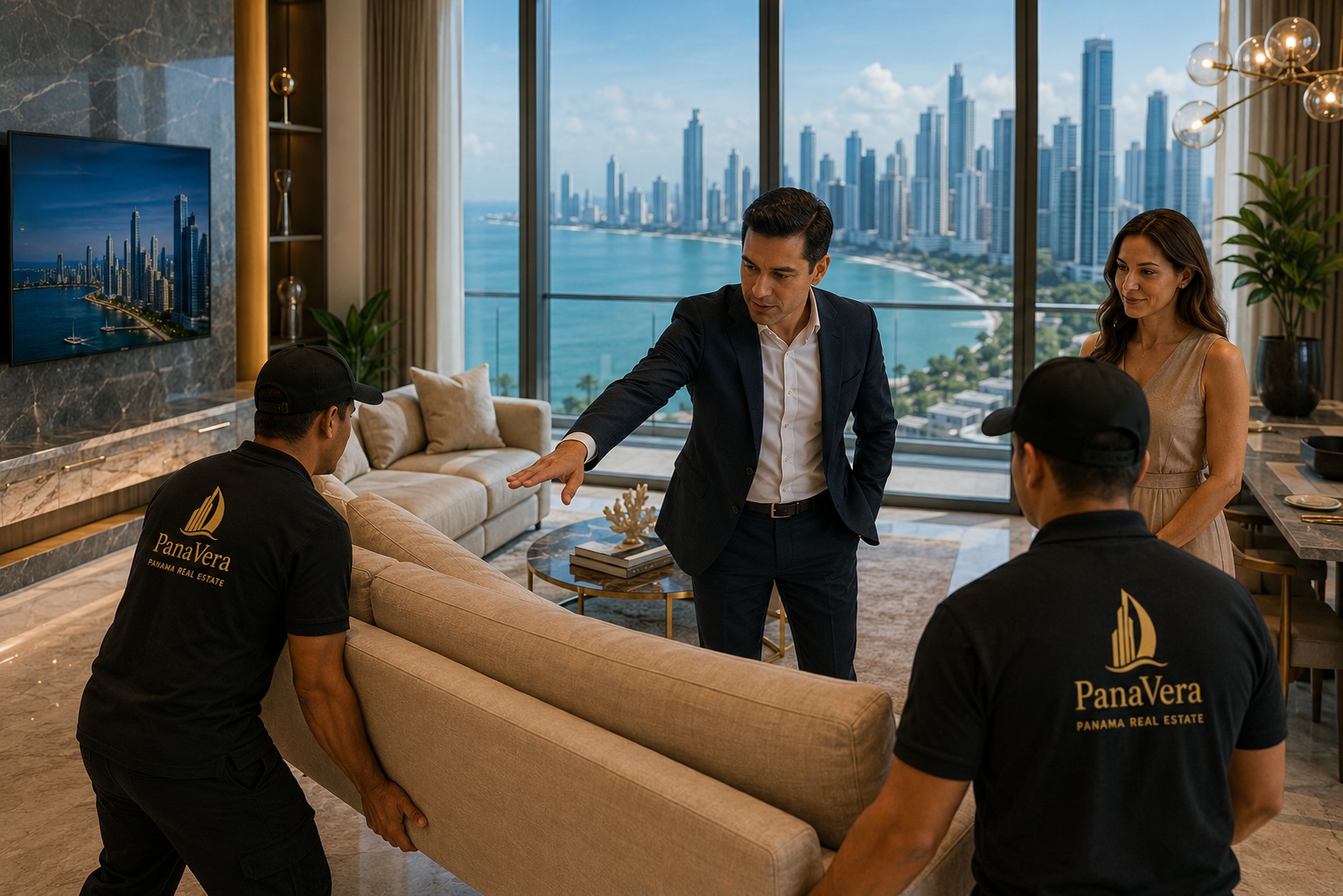
Our support does not end when the transaction closes. Many clients need help after purchase. This may include utility setup, furniture and equipment, renovation coordination, interior design contacts, insurance, property management, rental preparation, tenant search, short-term or long-term rental strategy, maintenance, HOA communication, tax reminders, and resale planning in the future. For international buyers, after-sale support is often just as important as the purchase itself. Owning property abroad should not feel like a burden. We help make ownership easier.
How long each stage takes
There is no single «time to buy» in Panama: almost every stage lasts exactly as long as the signed documents say it does. So the table below tells you not only how long a stage typically takes, but what that duration depends on. Three documents keep their Spanish names throughout: the Promesa de Compra y Venta (the preliminary purchase agreement), the Escritura Pública (the public deed) and the Registro Público (Panama’s Public Registry).
| Stage | Typical duration | What it depends on |
|---|---|---|
| Consultation and strategy (steps 1–2) | One or two conversations | How clear the purchase goal, budget, timeline and financing needs are |
| Selection and shortlist (steps 3–4) | Depends on how sharp the criteria are | The supply in your chosen areas and how narrowly the brief is framed |
| Trip and viewings (steps 5–6) | A few days on the ground | The number of areas, property availability, scheduling of visits |
| Choice and negotiation (steps 7–8) | Set by the negotiation itself | The seller’s position, payment terms, what is included, the closing date |
| Reservation | A short period written into the reservation agreement | The agreement fixes the term, the deposit and the refund conditions |
| Legal review (step 9) | The due-diligence period fixed in the reservation agreement | The property type (ready, off-plan, land), the seller’s structure, the state of the title |
| Closing: Promesa de Compra y Venta → Escritura Pública (step 10) | Follows the payment schedule in the contract | The payment structure, availability of funds, compliance documents, escrow |
| Registration in the Registro Público | Times vary | Whether the documents are correct and how loaded the registry is. Until the deed is registered, the transfer of title is not complete |
| Developer payment plan (step 11) | Payments spread over 18, 24, 36 months or longer | The project stage and the developer’s schedule |
| Mortgage (step 11) | Start early | Foreign documents may need an apostille, translation and bank verification; the property itself must be acceptable to the bank |
| Key handover (step 12) | On the delivery or closing date | The property’s readiness, the inspection, documents, utility hookups |
| After-sale support (step 13) | Continues after the deal | Rental plans, management, maintenance, the tax calendar |
Specific dates appear only in signed documents — the reservation agreement, the Promesa de Compra y Venta and the payment schedule. The same documents fix what happens if there is a delay. Confirm timings with your lawyer: the legal aspects of buying and payment plans and mortgages.
Costs: who pays what, and when
The property price is not the only number in the deal. Below are the items that actually appear in a Panamanian purchase and the party that usually bears each one. Where we have no confirmed rate, we describe the mechanism rather than invent a number.
| Item | Who pays | Amount | Comment |
|---|---|---|---|
| Reservation deposit | Buyer | Usually a small fixed amount | Takes the property off the market for a short period. Refund conditions live in the reservation agreement |
| Payment at contract signing | Buyer | In developer plans — often 10–20% | The exact percentage is fixed by the contract. On the resale market, the deposit paid at the Promesa de Compra y Venta is a matter of negotiation |
| Construction-stage payments | Buyer | In developer plans — usually another 20–40% | Spread in installments over the construction period |
| Final payment at closing | Buyer | The balance of the price | Own funds, a mortgage, resale or refinancing — decided in advance, not on closing day |
| Lawyer’s fee | Buyer | Agreed with the firm | We do not publish a single rate. The lawyer must be independent — not the seller’s lawyer and not only the developer’s |
| Notary fees | Buyer | Per the notary’s tariff | The notary checks signatures and formalities and executes the Escritura Pública. They do not replace your lawyer |
| Registro Público fees | Buyer | They vary | Registering the deed is what legally completes the transfer of title |
| Escrow fee | Per the escrow agreement | Set by the provider | The agreement must state plainly who holds the money, when it is released and who pays the fee |
| Bank fees, appraisal, mortgage registration | Buyer | When financing is used | Arise only if the deal goes through a bank |
| Certificates, translations, apostille | Buyer | Depends on the paperwork | A noticeable item when buying by power of attorney or with foreign corporate documents |
| Setting up a company or foundation | Buyer | When buying through a structure | Plus annual maintenance: the registered agent, accounting, bank compliance |
| Property transfer tax | Seller (resale market) | 2% of the higher of the sale price or the updated cadastral value | The contract must always record who is responsible for what |
| Capital-gains tax advance | Seller | 3% of the same higher value | The final tax treatment depends on the seller’s situation |
| Agent’s commission | Usually the seller | We do not publish a rate | This is market practice, not a rule. If the buyer signs a representation agreement or engages an advisor, separate fees may apply |
| Annual property tax | Owner | Rates and exemptions depend on the property’s classification | Primary residence, commercial property and land are taxed differently. Checked together with arrears and the registered value |
| Condominium (HOA) fees | Owner | Monthly, plus special assessments | The amount and the special assessments are visible in the condominium rules before you buy |
Who bears which cost is a clause of the contract, not a law of nature: what «the seller usually pays» must be written down explicitly. Confirm the current tax treatment with a Panamanian tax advisor before closing. More in our guide to the legal aspects of buying.
On tax exemptions for new builds
Some newer properties still carry tax exemptions on improvements. The rules have changed over the years, so there is no single rate and no single exemption term — and we deliberately quote neither here. The status is checked per unit: which exemption was granted, for how long, and whether it is still in force. Your lawyer requests this together with the check for tax arrears and the registered value.
Buying remotely
You do not have to be present in person at every stage. A buyer can grant a power of attorney to a Panamanian lawyer or representative — to sign documents, file applications and obtain certificates. The power of attorney must be properly drafted, notarized, and apostilled or legalized if executed abroad. Grant powers only to trusted professionals, and define their scope carefully.
Coming in person is still the best way to understand a neighbourhood: distances, traffic, build quality, surroundings and the real feel of a place do not come through a screen. If a trip is impossible, we take on part of steps 5 and 6: we go through the same questions — building management, monthly costs, the surroundings, future competition nearby — and hand you the answers, not just pretty footage.
- Choose an independent lawyer before you send the first payment.
- Arrange the power of attorney early: it must be properly drafted, notarized, and apostilled or legalized if executed abroad.
- Define its scope precisely — signing documents, filing applications, obtaining certificates — and grant it only to trusted professionals.
- Set up escrow and make sure the agreement names who holds the money, when it is released, which documents trigger the release and who pays the fee.
- Prepare your compliance file in advance: the origin of funds is proven with documents, not words. Even a perfectly legal purchase stalls if there is nothing to prove it with.
- Decide whether you need a Panamanian bank account. Some buyers close through escrow without a local account; an account matters more for utilities, HOA fees and rental income.
- Agree in advance who inspects the property at key handover, and against which checklist.
Five costly mistakes
The real risk in Panama is not the country itself. The risk is moving without a plan. These five mistakes cost the most.
- Relying on the seller’s or developer’s lawyer. The buyer needs their own independent lawyer — not the seller’s, not only the developer’s, and not just whoever the agent recommends. For a foreigner this matters doubly: the legal system, the language and the business customs may all be unfamiliar.
- Treating a developer payment plan as financing. A payment plan usually covers only the construction period. The biggest risk is not the first payment but the final one: a buyer calmly pays the installments during construction, then discovers at delivery that the bank has not approved the loan.
- Sending money before escrow is in place. Escrow protects both sides: the buyer does not part with the money before title passes, the seller does not hand over title without confirmed funds. For foreign buyers it is strongly recommended.
- Assuming short-term rental is automatically allowed. The building’s rules may prohibit it, certain districts require licences, and developers sometimes advertise rental potential the rules later restrict. Confirm the rules before the purchase, not after.
- Not checking the property’s debts. Unpaid taxes, utility debts and amounts owed to the owners’ association surface during the legal review — before closing, not after it.
Frequently asked questions
Can a foreigner buy property in Panama?
Yes. Foreigners can generally own titled property in Panama in their own name or through a legal entity, with the same basic ownership rights as citizens: holding title, registering ownership, selling, renting out, mortgaging and passing it to heirs.
Do I need residency to buy?
No. There is no general requirement to be a Panamanian resident before buying — you can buy as a tourist, a future resident, an investor or through a corporate structure.
Who pays the agent’s commission?
Usually the seller, especially on the resale market. But this is market practice, not a rule: if the buyer signs a representation agreement or engages an advisor, separate fees may apply. Who pays, and when, must be written explicitly into the contract.
Which taxes arise in the transaction, and who pays them?
On the resale market the seller usually pays the property transfer tax — generally 2% of the higher of the sale price or the updated cadastral value — and an advance on capital-gains tax, usually 3% of the same value. The buyer’s costs are the lawyer’s fee, notary fees, Registro Público fees, the escrow fee and, with financing, bank charges.
Can I buy without coming to Panama?
Yes. A buyer can grant a power of attorney to a Panamanian lawyer or representative to sign documents, file applications and obtain certificates. The power of attorney must be properly drafted, notarized, and apostilled or legalized if executed abroad.
Can foreigners get a mortgage in Panama?
Yes, though the process is usually more demanding than for local residents. Foreign buyers typically see these ranges: a down payment of 30% to 40%, a loan-to-value ratio of around 60–70%, a term of often 15–20 years, a rate often around 5–9%. These are general market ranges, not guaranteed terms.
Do new builds have an exemption from the annual property tax?
Some newer properties still carry tax exemptions on improvements. The rules have changed over the years, so no single rate and no single exemption term exist — and we deliberately quote neither. The status is checked per unit: which exemption was granted, for how long, and whether it is still in force. Your lawyer requests this together with the tax-arrears check.
Do I need a Panamanian bank account?
Not always. Some buyers close the deal through escrow without a local account. An account is useful for managing the property, utilities, HOA fees and rental income, but bank compliance is strict — do not count on opening one overnight.
These answers reflect what we publish on our own pages and are not legal or tax advice. Specific amounts, rates and deadlines are confirmed by your lawyer and tax advisor in Panama.

Why This Process Matters
Buying property in Panama can be simple when the process is structured. The real risk is not Panama itself. The risk is moving without a plan. Choosing too quickly. Comparing the wrong properties. Ignoring legal checks. Misunderstanding payment terms. Underestimating daily life. Failing to plan after the purchase. Our process is designed to prevent these mistakes. We help you move step by step, with clarity at every stage.

What You Can Expect from PanaVera
You can expect a structured process. Clear communication. Carefully selected properties. Practical explanations. Support during your visit. Coordination with lawyers and other professionals. Help during negotiation. Guidance through the transaction. Assistance after the purchase. Most importantly, you can expect that we will begin with your goals, not with our listings. Because the right property is not simply the one that looks best. It is the one that fits your life, your strategy and your future.

Buying Property in Panama with Confidence
Panama offers exceptional opportunities for international buyers. Modern city apartments. Beach homes. Mountain retreats. Investment properties. Retirement residences. Family homes. But the best purchase is never accidental. It is the result of clear goals, careful selection, proper legal review and professional support. That is exactly what PanaVera is built to provide. From the first conversation to long after the keys are handed over, we help you buy property in Panama with confidence.