About Panama · About the country
Healthcare in Panama
Modern medicine, international standards and peace of mind in the tropics
For many people, Panama starts with a way of life: ocean views, warm weather, modern apartments, the dollar and easy flights across the Americas. But for anyone seriously thinking about living, retiring or buying property here, one question becomes especially important: what is the healthcare like?
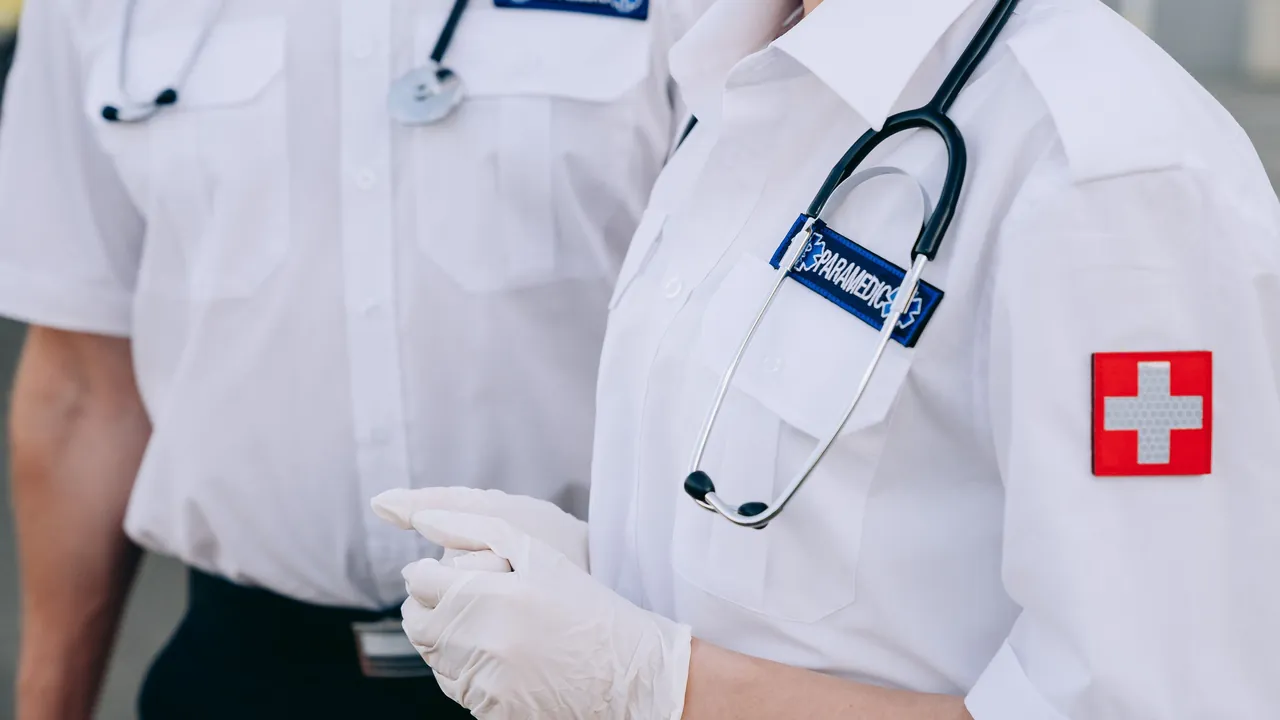
The answer is one of the country's greatest strengths. Panama's healthcare is often described as one of the most attractive in Latin America for foreign residents, retirees, entrepreneurs and international families. It combines modern private hospitals, experienced doctors, affordable prices, international insurance and a level of convenience that surprises many first-time visitors. Panama is not only a place to enjoy life, but also a place where you can have peace of mind about your health.
The healthcare that underpins a way of life
When people start looking at property in Panama, healthcare is not the first thing on their minds. It should be.
- A beautiful apartment loses some of its value if good doctors are too far away.
- A house by the sea is more practical when clinics, pharmacies and ambulances are close at hand.
- A place to retire is far more attractive when doctors are within reach and treatment does not strain the budget.
This is exactly where Panama is especially strong. The country offers a combination that is rare in the region: a tropical lifestyle, modern infrastructure and good access to healthcare, particularly in Panama City.
For many expats, it is precisely this combination that turns Panama from an “interesting destination” into a serious option for relocation.
Public and private healthcare
Panama has both a public and a private healthcare system. The public system serves the local population through hospitals, outpatient clinics and social security facilities, and provides broad access to basic and essential care.
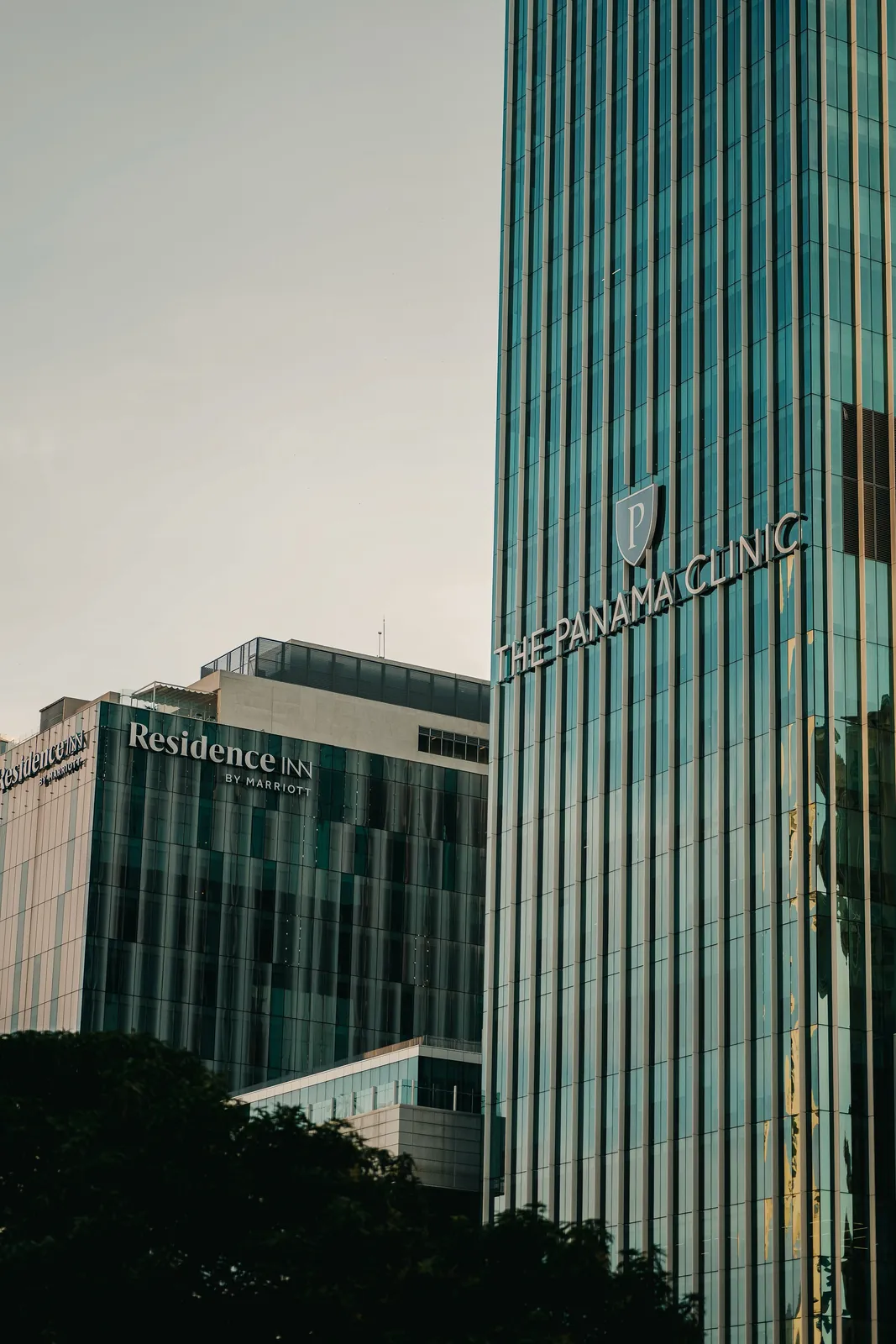
Private healthcare matters most to foreign residents, retirees and investors — people who want quicker appointments, English-speaking doctors, modern clinics and personal attention. The private hospitals of Panama City cover general medicine, emergency care, surgery, cardiology, cancer care, orthopedics, gynecology, dentistry, diagnostic imaging, lab work and preventive checkups.
Private hospitals and international standards
Panama's leading private hospitals are known for modern equipment and professional teams, and they treat both local and foreign patients. Many doctors trained abroad — in the United States, Europe, Colombia, Mexico and Argentina. In private clinics it is often possible to find an English-speaking doctor, especially in the specialties expats most often need. Waits are shorter than in public hospitals, the rooms are more comfortable and seeing a specialist is easier.
To many foreigners, all of this feels familiar — only usually cheaper than in the United States. That is why Panama is so popular with retirees from North America.
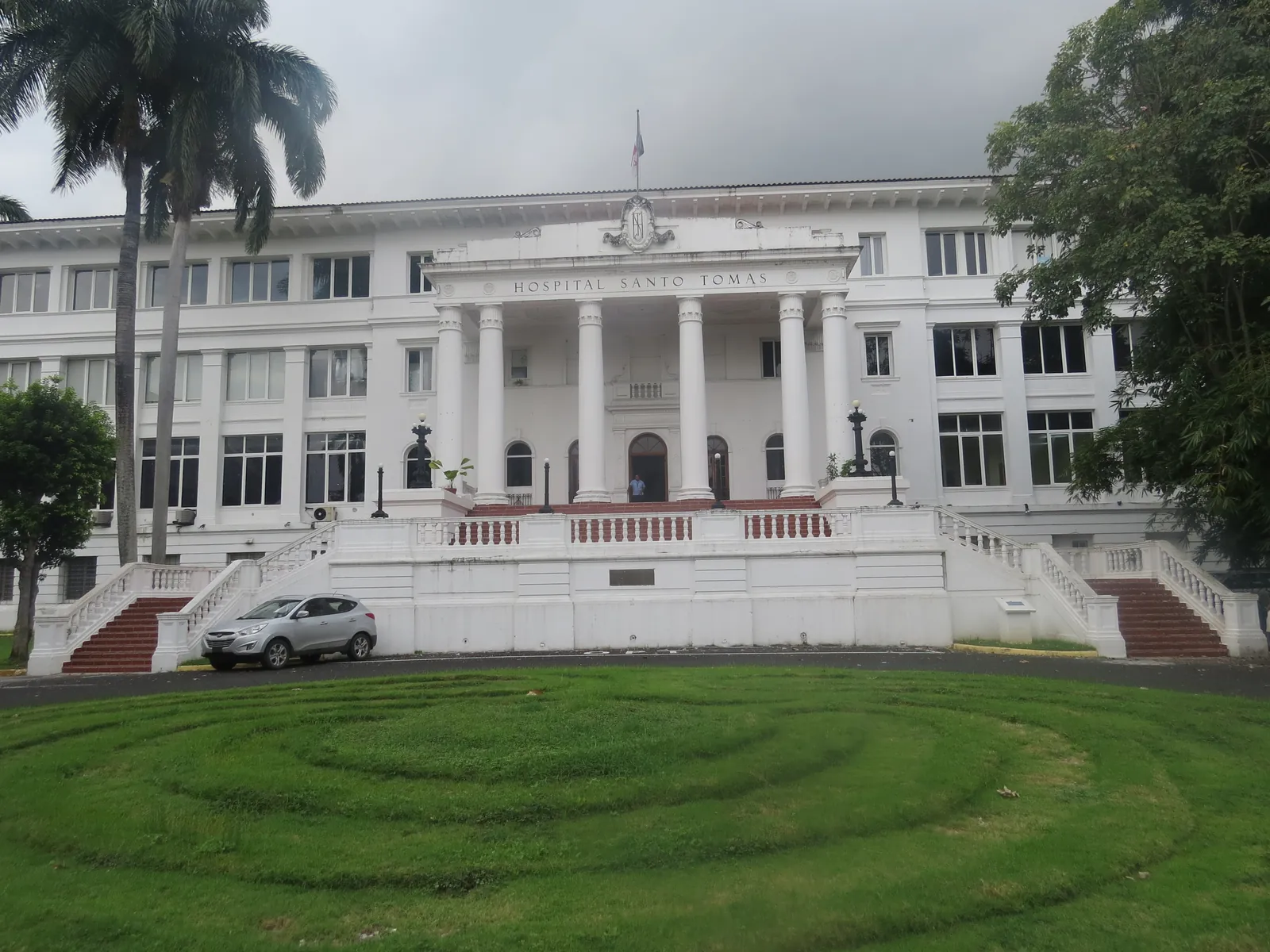
Panama City — the country's medical center
Panama's best healthcare is concentrated in the capital: this is where you will find the leading hospitals, specialists, diagnostic centers and private clinics.
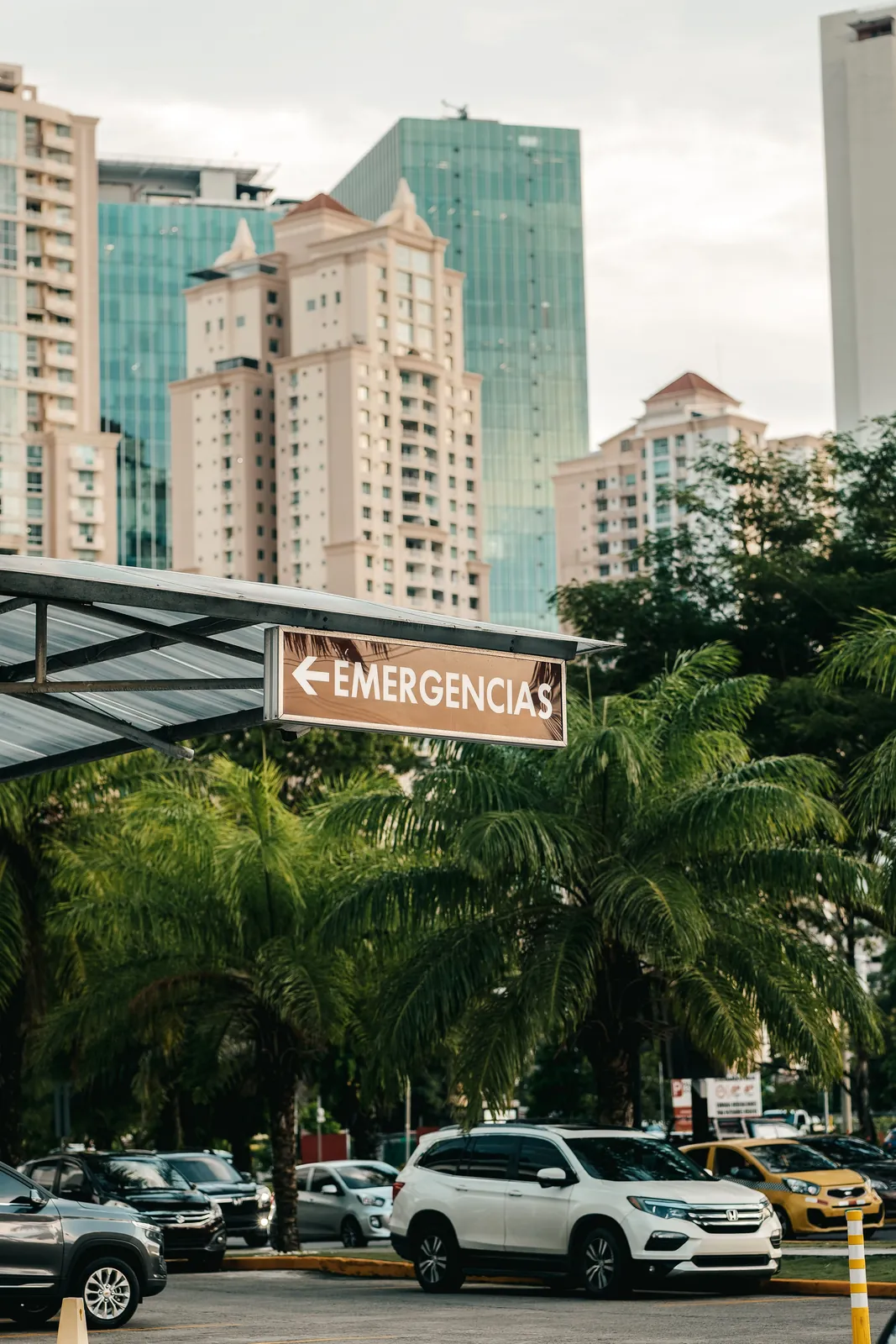
For property buyers in Panama City, this is a major advantage. Living in Punta Pacífica, Costa del Este, San Francisco, Obarrio, Santa María, on Avenida Balboa or in Casco Viejo often means good clinics are relatively close by.
This matters to families, to retirees and to investors who rent to expats. Access to healthcare is part of a neighborhood's value.
Being close to a good hospital is less conspicuous than an ocean view, but for long-term demand it can matter just as much.
What treatment costs and what insurance you need
Cost is one of Panama's main advantages. Private healthcare here is generally more affordable than in the United States, with a good standard of service at the major clinics. Doctor visits, dental care, lab tests, medical exams, minor procedures and routine checkups can cost noticeably less than in many North American cities.
That does not mean healthcare is cheap across the board. Complex surgery, hospital stays, cancer treatment or intensive care are still expensive. But overall, expenses are usually easier to plan than in the United States — especially with international insurance.
Health insurance
Foreign residents usually rely on private insurance: local, international, or travel insurance for short trips. Local insurance is cheaper, but coverage may be limited to Panama or to a specific network of clinics. International insurance costs more, but it often covers several countries and opens the door to private hospitals.
- Compare several insurance options before you move.
- Understand the exclusions and age limits.
- Check which hospitals and doctors are covered.
For families, older people and anyone with existing medical needs, choosing insurance is an important part of the move.
Pharmacies, dental care and prevention
Pharmacies are easy to find in Panama City and other developed areas. Many carry a wide range of prescription and over-the-counter medicines and are located near supermarkets, shopping centers, residential neighborhoods and hospitals. Cold remedies, painkillers, vitamins, cosmetics, blood pressure medication and everyday essentials are usually close at hand.
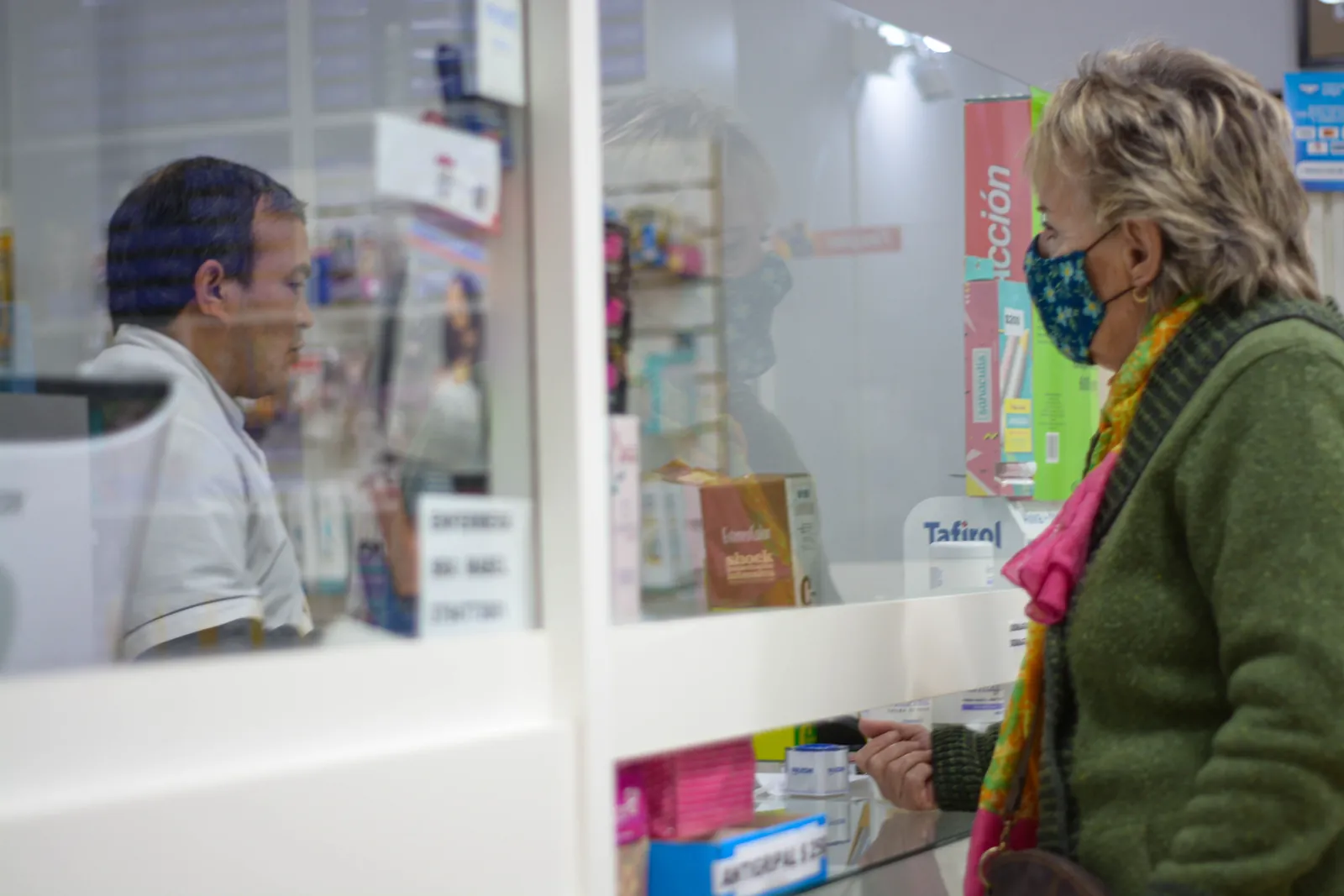
If you take particular medications, it is worth checking in advance whether they are available in Panama: brand names may differ from those in North America and Europe, and some prescriptions need approval from a local doctor. For a long stay in the country, the best approach is to find a local doctor of your own.
Dental care
Dental care is one of Panama's underrated strengths. Many expats find dental treatment here professional and affordable: cleanings, fillings, crowns, implants, braces, cosmetic dentistry and oral surgery. Clinics in Panama City often treat both local and foreign patients, and many have modern equipment, digital diagnostics and multilingual staff.
Prevention and checkups
Private clinics and hospitals often offer checkup packages: blood tests, diagnostic exams, heart tests and consultations. This makes it easier for busy professionals, retirees and foreigners to keep an eye on their health regularly rather than waiting until a problem becomes serious.
A country where prevention is accessible helps you live better over the long run.
Emergency care and healthcare outside the capital
Emergency care is available in Panama — especially in the capital and the major regional centers. Private hospitals usually have emergency rooms, and ambulances operate in developed areas. But outside the capital, access varies widely: on remote beaches, on islands, in mountain villages and in rural areas, help may take longer to arrive.
A secluded home offers peace, nature and privacy — but it may be farther from serious medical care.
For some people, that is acceptable. For others, especially retirees and families with children, access to doctors should be part of choosing a home.
Beyond the capital
David, Santiago, Chitré and Colón have hospitals, clinics and medical services. David is especially important for the west of the country and the province of Chiriquí, including Boquete and Volcán. Boquete is popular with expats and retirees — partly because its cool mountain climate comes with access to healthcare in nearby David. Beach areas usually have local clinics, but for specialists people travel to the capital or a major provincial center.
None of this makes life outside the capital less attractive — access to healthcare is simply something to weigh when choosing where to live.
Medical tourism
Panama has growing potential in medical tourism: convenient international flights, the dollar, private healthcare, modern hospitals, good hotels and a convenient location for travelers from North and South America. People most often come for dental work, cosmetic procedures, checkups, orthopedic consultations, wellness programs and second opinions. For investors, medical tourism also means demand for short-term rentals and serviced apartments near the major hospitals.
Healthcare for retirees and families
Healthcare is one of the main reasons Panama attracts retirees. Retirement is not only about the climate and the cost of living. It is about confidence.
- Can you see a doctor when you need to?
- Are specialists available?
- Can you get the medicines you need?
- Is private healthcare affordable?
- Can you live at ease without feeling cut off from doctors?
For many retirees, Panama answers these questions well — especially if they choose a place with well-developed medical infrastructure. Panama City, Coronado, Boquete and David are popular with retirees largely because they strike a better balance between lifestyle and access to doctors.
Families with children
Families who relocate also need to think about healthcare: children need pediatricians, vaccinations, a dentist, emergency care and specialists, and parents need the reassurance that help is nearby if something happens. In Panama City, international families usually find private clinics, pediatricians and specialists far more easily than in remote areas. That is why the capital and well-developed residential areas are especially attractive to families moving for work, their children's education or lifestyle.
Healthcare and property values
Healthcare is a quiet but important driver of housing demand. Properties near strong medical infrastructure are usually more attractive to retirees, families, expats and long-stay residents. This is especially true in Panama, where many foreign buyers are people who value confidence in the future.
- A high-end apartment near leading hospitals will attract retirees.
- A family home near clinics and schools will attract relocating families.
- Serviced apartments near medical centers will attract medical tourists.
- A house in the mountains not far from a regional hospital is more practical than a secluded home with no access to doctors.
Healthcare is not just a service. It is part of the investment logic.
Health and quality of life
Health in Panama is about more than hospitals. The warm weather draws you outdoors, the coast invites swimming, walks and time on the water, and mountain towns such as Boquete offer cool air, hiking, nature and an unhurried pace. Fresh fruit, seafood and local produce are available everywhere.
Many people move to Panama not because they are ill, but because they want to live in a way that makes them feel better. For retirees, entrepreneurs and families worn out by stress, this matters as much as medical care itself.
The peace of mind every buyer needs
Panama's healthcare has real strengths, but it is important to be realistic:
- The best private healthcare is concentrated in Panama City.
- English-speaking doctors are easier to find in private clinics than in public ones.
- Insurance needs to be chosen carefully.
- In rural areas, an ambulance may take a long time to arrive.
- For complex treatment, you may sometimes have to travel to the capital.
- It is worth checking in advance that the medicines you need are available.
People with serious chronic conditions should be especially careful in choosing where to live and should find their doctors in advance. Panama offers excellent opportunities, and a well-thought-out plan makes life here even better.
A country can attract tourists with its beaches. But to attract residents, it needs healthcare.
Modern private hospitals, affordable prices, international insurance and strong urban infrastructure make Panama one of the most attractive places in Latin America for expats, retirees and property buyers. For anyone thinking of living, investing or retiring here, healthcare is not a secondary issue but part of the country's promise: life in the tropics can be beautiful, international and practical all at once. And above all — peaceful.