About Panama · About the country
Panama’s Airports
The air gateways of a country built for connection
Panama is famous for connecting oceans. But the country moves more than ships — it moves people. Every day thousands of travelers pass through Panama’s airports on their way to business meetings, beaches, the mountains, family, conferences, cruises and property viewings.
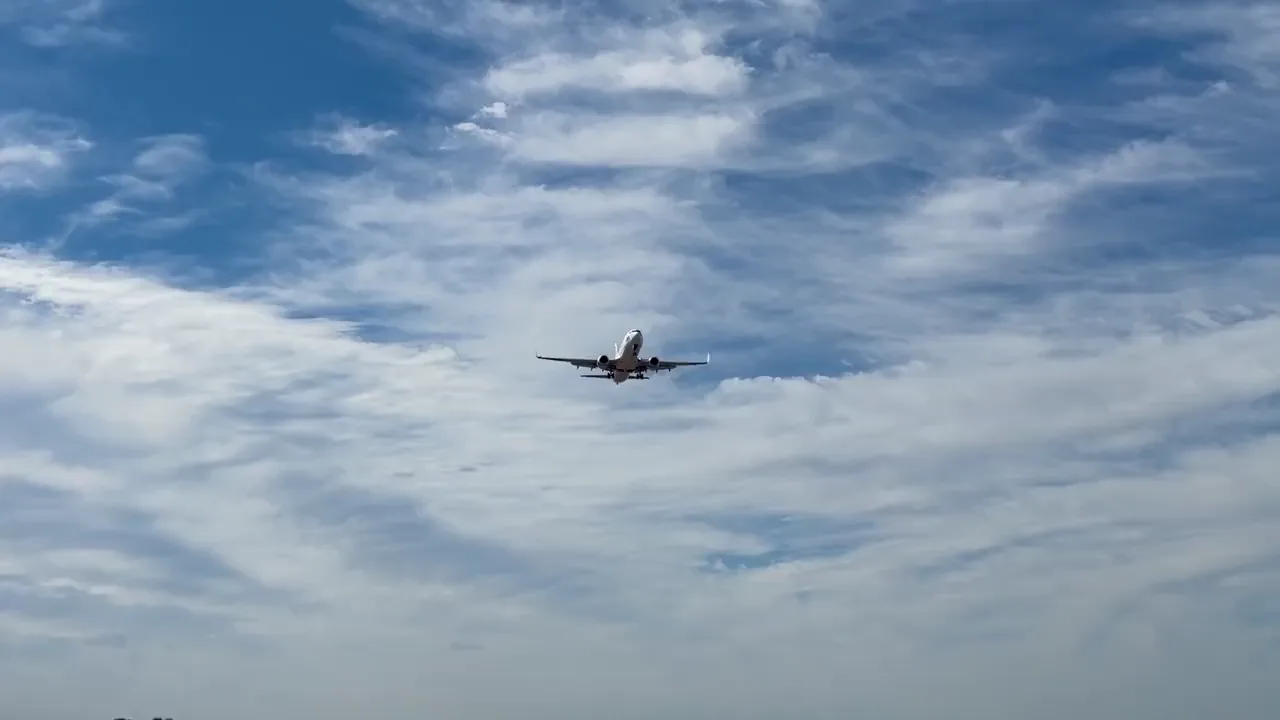
For a country the size of Panama, its air network matters enormously. Airports here are not just transportation but part of the country’s identity as a crossroads of the world. They link Panama City with North, South and Central America, the Caribbean and Europe — investors with opportunities, tourists with beaches, expats with a new home, and business with regional markets.
Why does a small country need such big airports?
Geographically, Panama is small. But aviation gives it the reach of a regional capital. From Panama City the major cities of Latin America and the Caribbean are relatively easy to reach — which is why the country is so valued by international companies, consultants, regional managers and families with a global lifestyle.
For people relocating, this is a huge advantage: you can live in Panama and stay connected to Miami, New York, Bogotá, Mexico City, San José, Lima, São Paulo, Buenos Aires and many other cities.
A tropical lifestyle — without being cut off from the world.
Tocumen: the hub of the Americas
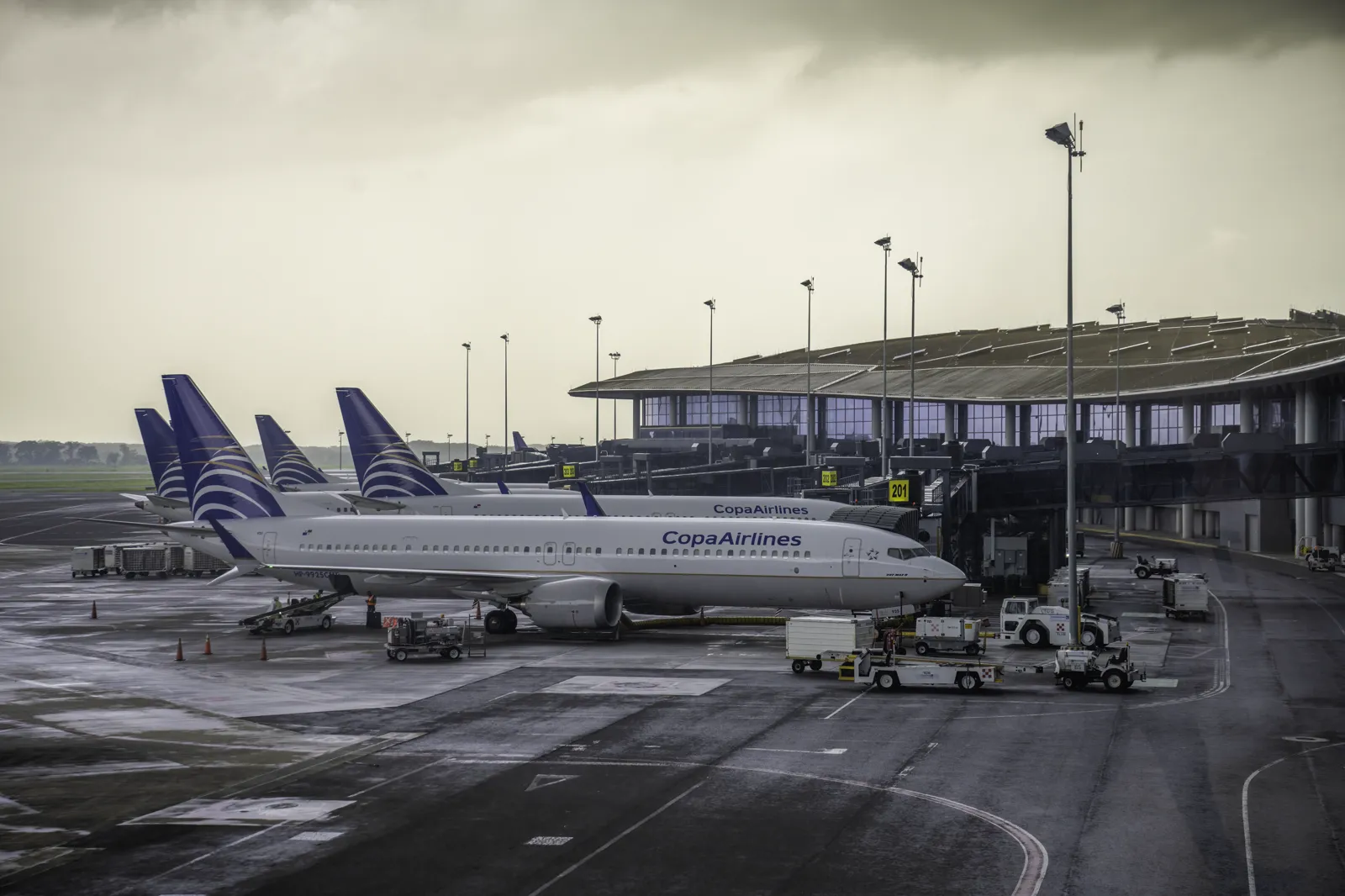
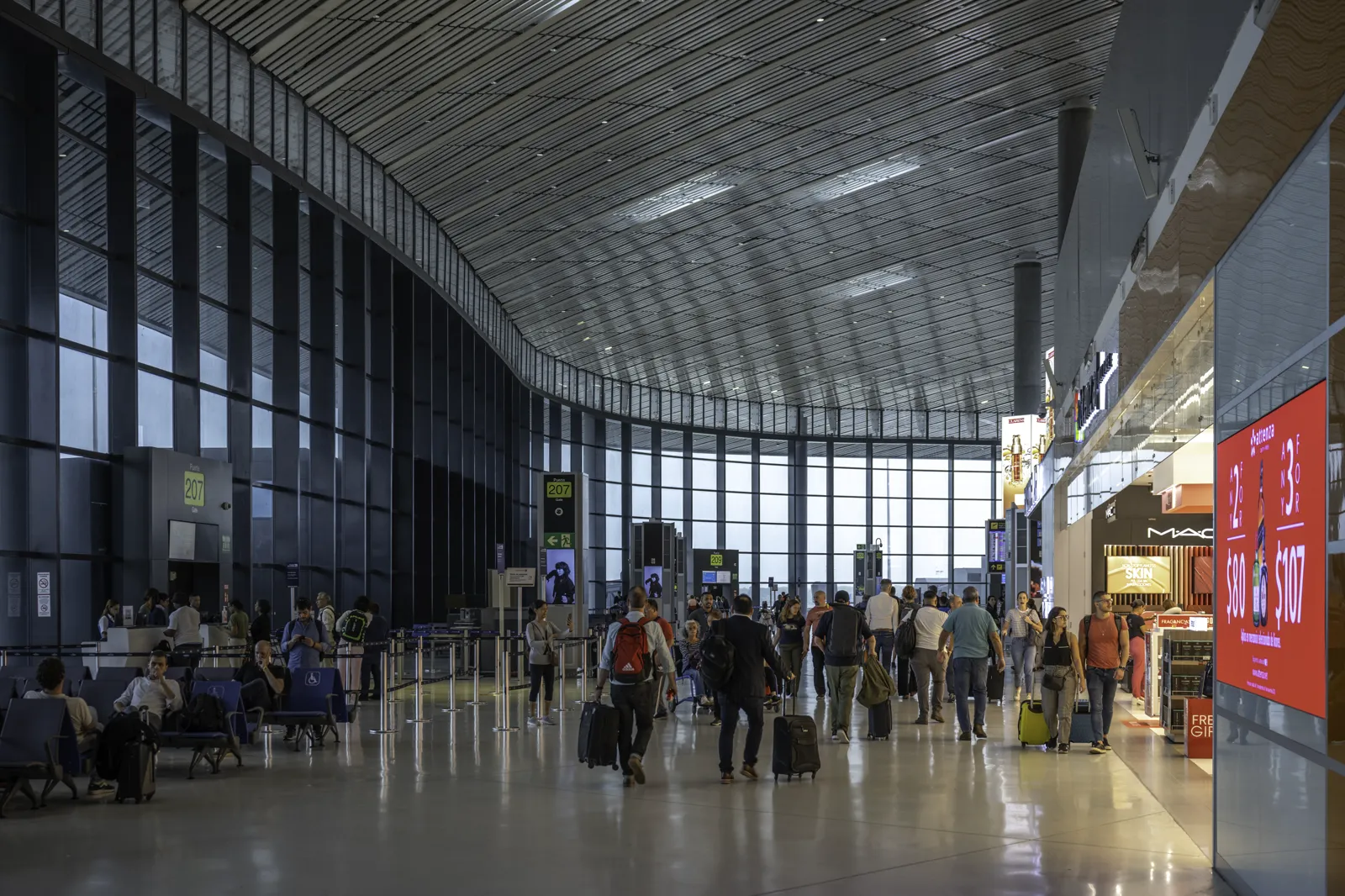
The country’s main airport is Tocumen International Airport in Panama City, code PTY. It is Panama’s principal air gateway and one of the most important aviation hubs in Latin America. Many people are surprised by how global it is: passengers arrive from all over the continent, change planes in Panama and fly on without ever leaving the airport. That is why Tocumen is called the “Hub of the Americas.”
Its location is close to ideal: Panama lies almost at the center of the Americas, at a natural crossroads between north and south. You can fly from New York to Panama and continue on to Colombia, Argentina, Costa Rica or Peru. A passenger from Brazil can reach Mexico, the Dominican Republic, Canada or the United States via Panama.
Copa Airlines and the hub model
Tocumen is closely tied to Copa Airlines, Panama’s national airline. Copa has built one of the most efficient hub models in Latin America: instead of relying only on Panama’s residents, it uses Panama City as a connecting point for passengers from across the region.
Many of those who fly through Panama never stay in Panama at all — they connect. It sounds simple, but it is a powerful economic model: a small country sustains a flight network far larger than its own market would allow. More flights mean more business travel, more tourists, and greater convenience for investors and residents.
At sea, ships pass through the Canal.
In the sky, passengers pass through Tocumen.
Map of Panama’s airports
Hover over a point — or tap it on your phone — to see what each airport is good for and where you can fly from it. The three capital airports sit so close together that on a phone they are first grouped into a single numbered circle: tap it and the map will zoom in.
- PTY · Tocumen · Panama City — The main international airport and the Copa Airlines hub: flights across the Americas and to Europe.
- PAC · Albrook “Marcos A. Gelabert” · Panama City — Domestic flights from the heart of the capital: Bocas del Toro, David and other regions.
- BLB · Panamá Pacífico · Panamá Oeste — The former Howard Air Force Base at the Pacific entrance to the Canal, next to a special economic zone.
- RIH · Scarlett Martínez · Río Hato — Gateway to the beaches of the Pacific coast: Coronado, Playa Blanca, Buenaventura.
- DAV · Enrique Malek · David — The west of the country: Chiriquí, mountain Boquete, Volcán and the border with Costa Rica.
- BOC · Bocas del Toro · Isla Colón — Caribbean islands: beaches, surfing, eco-lodges and an unhurried pace of life.
Panamá Pacífico: an airport and a business district
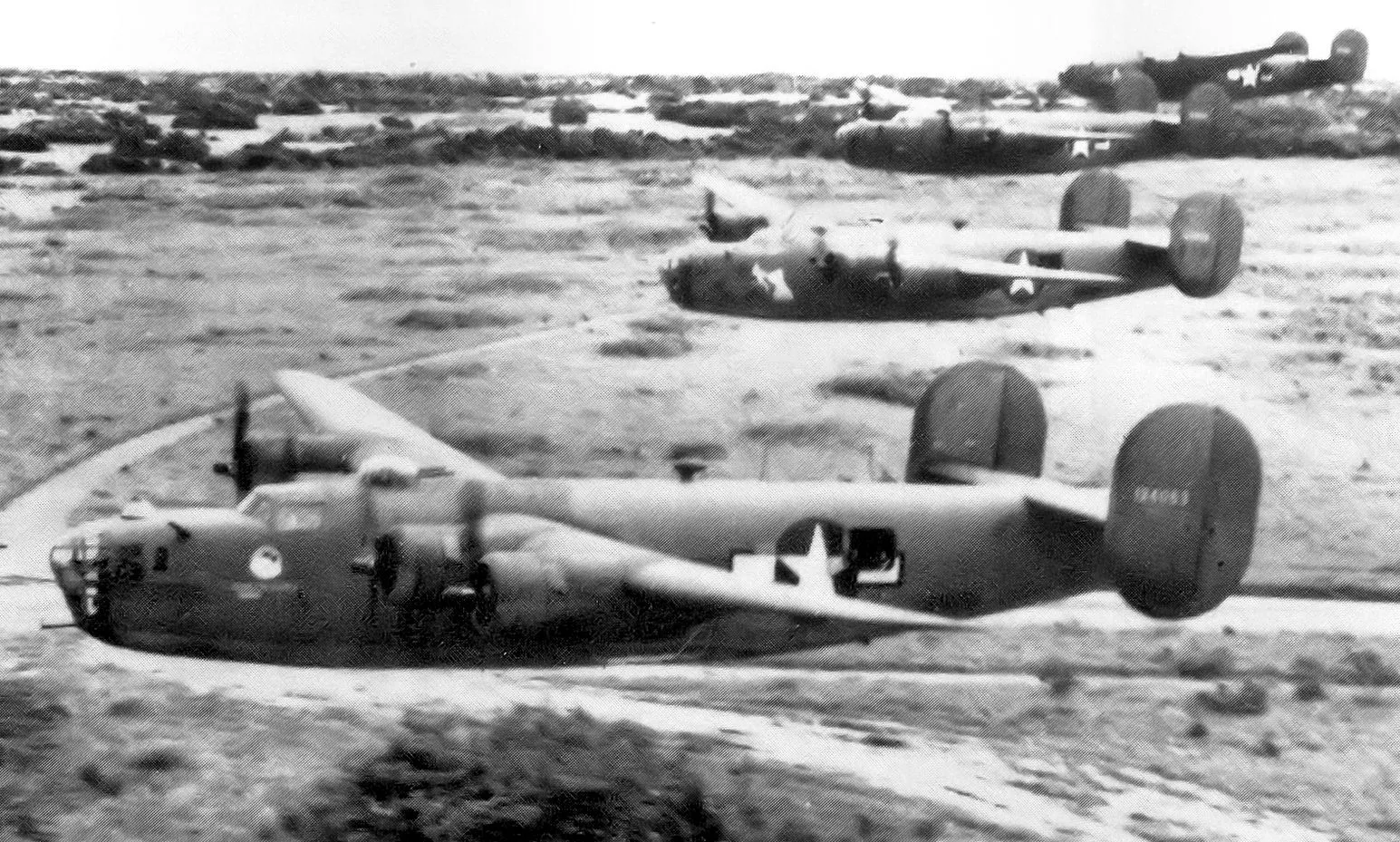
Another important airport is Panamá Pacífico, code BLB. It stands on the site of the former US Howard Air Force Base at the Pacific entrance to the Canal.
This airport has a different character from Tocumen. It is linked to the Panamá Pacífico special economic zone — one of the country’s leading business and logistics districts, where aviation sits alongside business parks, residential neighborhoods, offices and manufacturing.
It shows clearly how Panama grows around infrastructure: wherever airports, roads, ports and business zones appear, demand for housing and commercial property follows.
Albrook: the gateway for domestic flights
For domestic travel, one of the main airports is Albrook “Marcos A. Gelabert,” code PAC, near the center of Panama City. From here flights go to Bocas del Toro, David, Chitré and other regions. It is smaller, simpler and more “homey” than Tocumen: people here do not connect to long-haul flights but move quickly between the country’s regions.
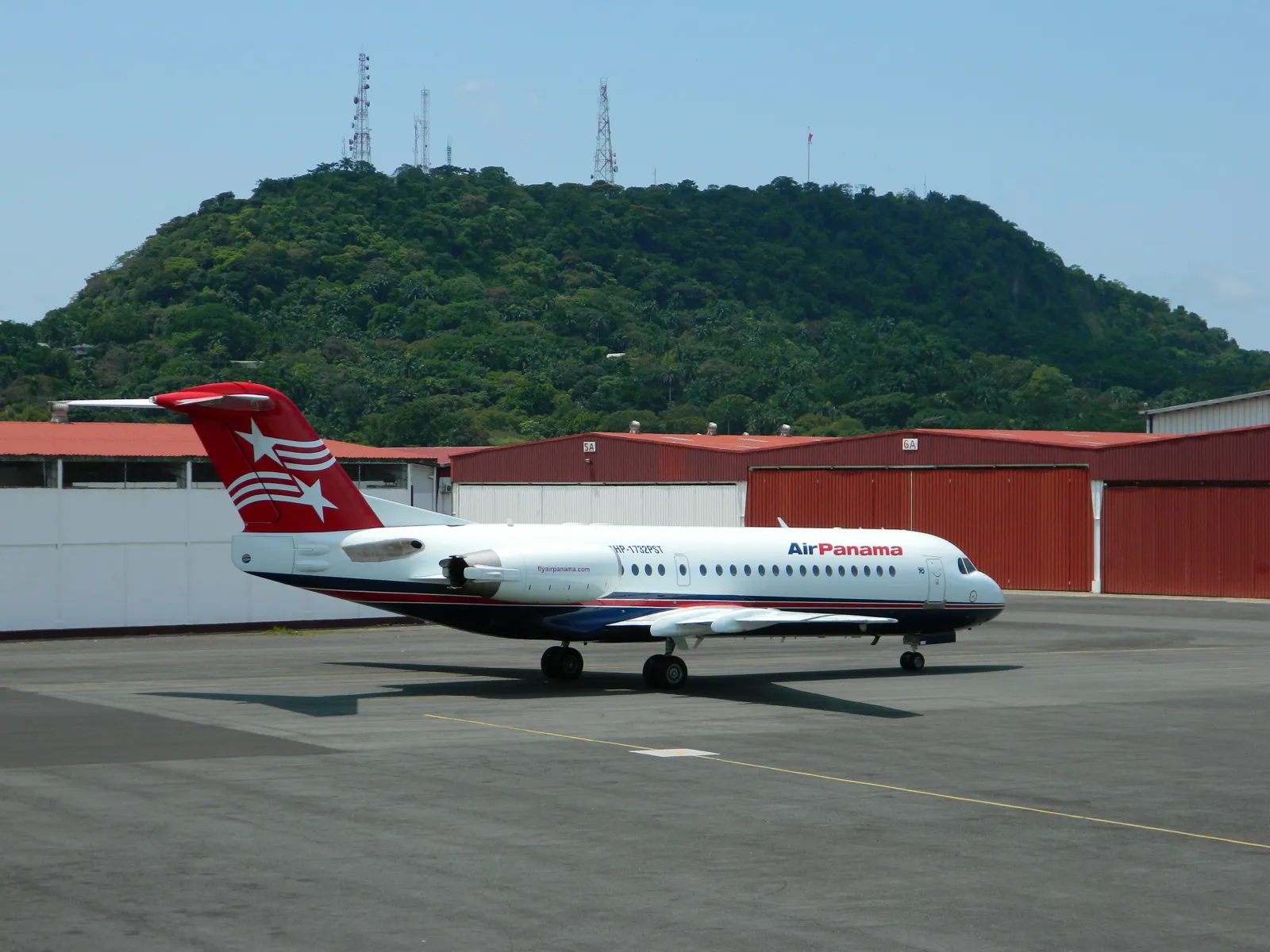
This matters all the more because Panama is remarkably diverse: a short flight from the capital can take you to Caribbean islands, the Pacific coast, the coffee highlands or the rural provinces. For tourists and property buyers, domestic flights make getting to know the country much easier.
David, Bocas del Toro, Río Hato and beyond
David: gateway to the mountains
Enrique Malek Airport is in David, the capital of Chiriquí Province. This is one of the most attractive regions for expats, retirees and nature lovers: David, Boquete, Volcán, mountain villages, coffee farms, a cool climate and the border with Costa Rica. A buyer of a home in the Boquete highlands does not have to depend solely on the long drive from the capital.
Bocas del Toro: a Caribbean escape
Bocas del Toro Airport welcomes those heading for the islands, beaches, surf spots, eco-lodges and laid-back Caribbean villages. Arriving here is nothing like arriving in Panama City: the pace changes, the skyscrapers vanish, the Caribbean begins. The region attracts surfers, digital nomads, boutique hotel owners, eco-investors and buyers looking for something unlike the city market.
Río Hato: closer to the beaches
Scarlett Martínez International Airport in Río Hato, code RIH, lies a little over a hundred kilometers from the capital, close to the beaches of the Pacific coast.
Panama also has other regional airports and airstrips — in Chitré, Pedasí, Changuinola and elsewhere. Some are small, some have infrequent schedules, and others matter more for private aviation and tourism. But together they connect a country of beaches, islands, forests, mountains, farms and coastal villages.
Airports, tourism and real estate
Airports have a direct impact on real estate. The clearest example is Panama City: Tocumen makes the capital accessible to foreign buyers, business travelers, investors and residents. This supports demand for premium condos, corporate housing, serviced apartments, hotels, offices and rentals — in Costa del Este, Santa María, Punta Pacífica, San Francisco, Obarrio and on Avenida Balboa.
- David supports the market in Chiriquí and Boquete.
- Bocas del Toro supports Caribbean tourism and island real estate.
- Panamá Pacífico supports business, logistics and housing west of the Canal.
- Albrook supports domestic flights and trips to the regions.
In real estate, accessibility often creates value — and Panama’s airports are part of that value.
Tourism depends on air links too. Visitors usually fly into Tocumen and go on from there to Panama City, the Canal, Casco Viejo, the Pacific beaches, the Caribbean islands and Boquete. In a single trip you can stroll through a historic quarter, watch ships moving through the Canal, fly to a Caribbean island, visit a coffee farm in the mountains and relax on a Pacific beach. Airports turn Panama from a one-destination country into a many-destination one.
Practical tips
- Most international passengers arrive at Tocumen.
- For domestic flights, check where you are departing from — Tocumen or Albrook. They are different airports, and you need to allow time for the drive between them.
- To Bocas del Toro, Boquete and other regions, a domestic flight saves a great deal of time.
- When planning property viewings in Panama City, Coronado, Boquete and Bocas del Toro, work out your route in advance: the country is compact but very diverse.
For expats, airports are more than a convenience. They are “emotional infrastructure”: they determine how easy it is to visit family, run an international business, travel to see doctors and host guests. Strong air connections are one of the reasons foreigners feel at ease moving to Panama.
Panama in the sky
Panama’s airports are part of a larger national story. The country became important because it connects: the Canal connects oceans, the ports connect sea lanes, the banks connect capital, the free zones connect trade. And the airports connect people.
As Panama grows, their role will only grow too. Tourism, business travel, logistics, real estate investment and international migration all depend on connectivity. For an investor, airport infrastructure is one of the key signals: new routes, rising passenger traffic, modernization and regional links all shape tourist demand, the rental market, hotels and property values.
For travelers, an airport is the start of the journey. For investors, it is a measure of accessibility and demand. For residents, it is a link to the world.
And for Panama it is one more expression of its greatest strength — the ability to connect.