אזרחות
פנמה
הדרך מתושבות לדרכון שני: איך זה עובד באמת.
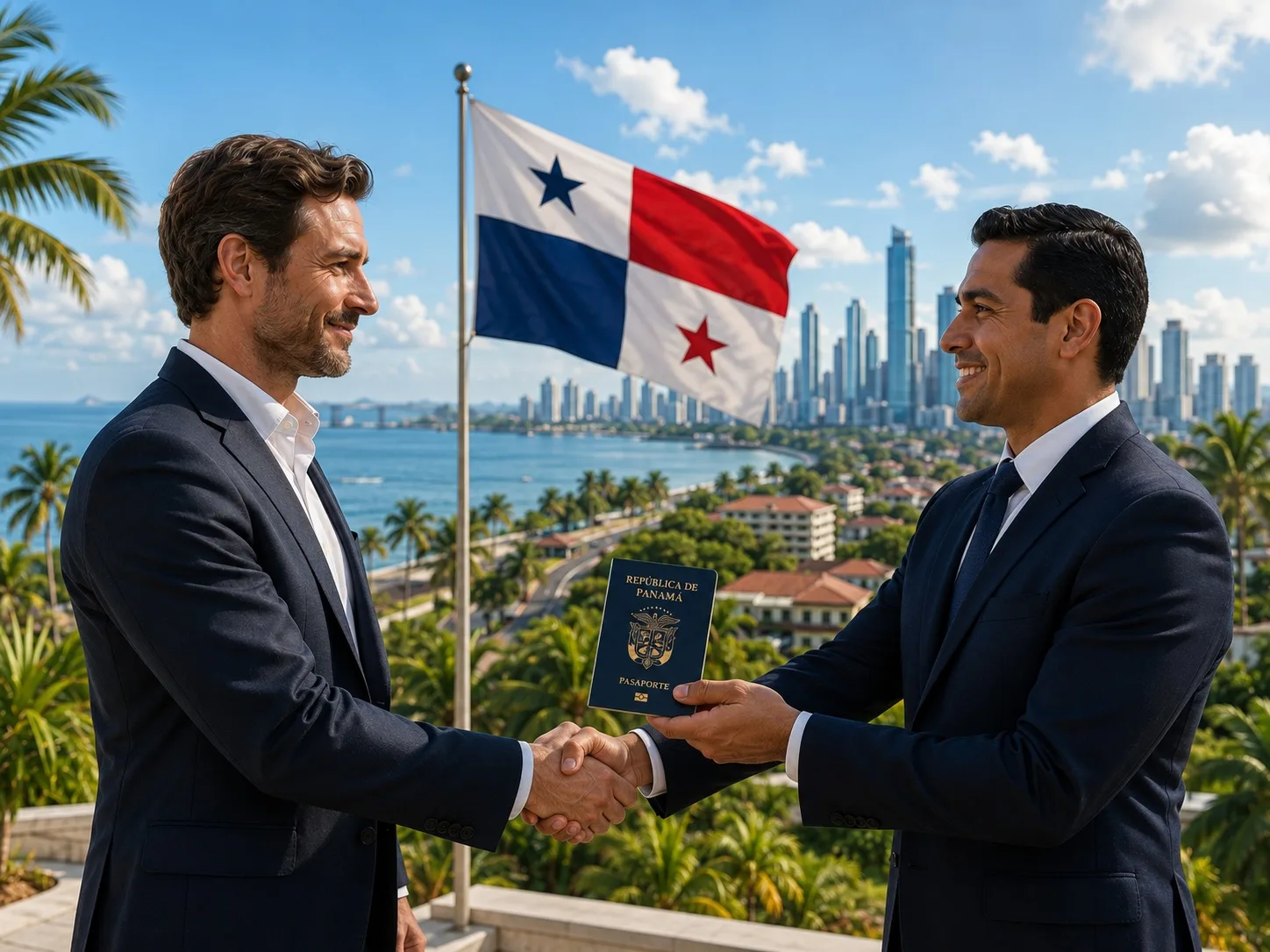
אזרחות היא מסלול, לא רכישה
אחת מהטעויות הנפוצות ביותר לגבי פנמה: שרכישת נדל״ן מובילה אוטומטית לדרכון. זה לא כך. לפנמה אין תוכנית ישירה של אזרחות תמורת השקעה. מה שהמדינה מציעה יציב יותר: השקעה יכולה לעזור לקבל תושבות, והאזרחות מגיעה מאוחר יותר — דרך התאזרחות, לאחר עמידה בתקופות השהייה החוקיות והוכחת קשרים אמיתיים לפנמה.
דמיינו סולם: כל שלב נשען על הקודם. אזרחות היא רק לעיתים נדירות הסיבה למעבר — אבל אחרי כמה שנים רבים מגלים שפנמה הפכה להרבה יותר מיעד השקעה, והאזרחות נעשית הצעד הבא הטבעי.
ארבעת המסלולים לאזרחות פנמה
לרוכשי נדל״ן בינלאומיים המסלול הרלוונטי ביותר הוא התאזרחות: קבלת אזרחות לאחר מגורים חוקיים במדינה למשך התקופה הנדרשת ועמידה בתנאי החוק. בין שהתושבות הגיעה דרך Qualified Investor Visa, דרך Friendly Nations Visa, דרך תוכנית Pensionado או קטגוריה אחרת — האזרחות נבחנת בנפרד ולעולם אינה אוטומטית.
המסלול שבו הולכים רוב התושבים הזרים: אזרחות לאחר התקופה הנדרשת של מגורים חוקיים ועמידה בתנאי החוק.
לילדי אזרחי פנמה שנולדו בחו״ל — דרך רישום במרשם האוכלוסין והוכחת קרבה משפחתית.
נישואין יכולים לקצר את תקופת התושבות הנדרשת, אך כשלעצמם אינם מקנים אזרחות אוטומטית.
למי שנולדו בשטח פנמה — לפי כללי חוקת המדינה.
קודם תושבות — אחר כך אזרחות
לרוב התושבים הזרים הזכות להתאזרחות קמה, ככלל, אחרי חמש שנים של תושבות קבע מזכה. חלק מהמבקשים — בני זוג של אזרחי פנמה או הורים לילדים פנמיים — עשויים להיות זכאים מוקדם יותר לפי הוראות חוק מיוחדות. אזרחי ספרד ומספר מדינות אמריקה הלטינית יכולים גם הם לצפות ללוחות זמנים מקוצרים לפי כללי הדדיות.
עמידה בתקופת המינימום אינה מבטיחה אישור — אזרחות נחשבת לזכות־יתר, לא להליך אוטומטי. פנמה אינה מפרסמת «דרכוני זהב»: היא מציעה מערכת תושבות שיכולה, עם הזמן, להוביל לאזרחות המשקפת קשר אמיתי למדינה ולא עסקה חד־פעמית.
| קטגוריית המבקש | לוח זמנים משוער |
|---|---|
| תושב זר (המקרה הכללי) | ≈ 5 שנים מתושבות קבע |
| בן/בת זוג של אזרח פנמה | ≈ 3 שנים |
| הורה לילד פנמי | ≈ 3 שנים |
| אזרחי ספרד ומספר מדינות אמריקה הלטינית | תקופה מקוצרת לפי הדדיות |
לוחות הזמנים משוערים ותלויים בחוק, בפרקטיקה ובנסיבות אישיות.
מה המדינה בוחנת: השתלבות, ספרדית, היסטוריה
התאזרחות היא יותר מספירת שנים. כל בקשה נבחנת באופן אישי.
ספרדית חשובה: מהמבקשים מצופה, ככלל, שליטה מעשית בשפה — שטף מושלם אינו נדרש. אצל רבים מהמהגרים זה מגיע באופן טבעי עם שנות היומיום. ייתכן שיצופו גם ידע בסיסי בהיסטוריה, בגאוגרפיה ובסדר החוקתי של המדינה — נושא שלרוב הופך להנאה ולא רק להכנה לדרישה.
משפחה, נישואין ואזרחות לפי מוצא
תכנון משפחתי הוא חלק מרכזי באסטרטגיות אזרחות רבות. בני זוג וילדים מתחילים לרוב כתלויים בשלב התושבות, ובהמשך יכולים להיות זכאים לאזרחות במסלול משפטי משלהם. כדאי להתחיל בתכנון ארוך טווח מוקדם: קל יותר לתאם תושבות ואזרחות מההתחלה מאשר לתקן טעויות שנים אחר כך.
נישואין לאזרח פנמה אינם מקנים אזרחות אוטומטית, אך הם יכולים לקצר את תקופת המגורים החוקית הנדרשת לפני בקשת ההתאזרחות — והרשויות מצפות שהנישואין אמיתיים ומתועדים כראוי. ילדים שנולדו בחו״ל להורים פנמיים עשויים להיות זכאים לאזרחות לפי מוצא דרך רישום במרשם האוכלוסין והוכחת קרבה.
האם נדל״ן מקנה אזרחות?
לפנמה יש תוכנית תושבות למשקיעים — עם סף החל מ־300,000 $ לנכס חדש ומ־500,000 $ ליד שנייה — אך אין תוכנית ישירה של אזרחות תמורת השקעה. המסלול המשפטי הוא: השקעה ← תושבות ← תושבות קבע ← התאזרחות ← אזרחות.
לא. רכישת נדל״ן — אפילו וילת יוקרה על החוף — אינה מובילה לאזרחות אוטומטית.
נדל״ן יכול לתמוך בבקשת תושבות במסגרת תוכניות ההגירה המתאימות.
לפנמה יש תוכנית תושבות למשקיעים, אך אין תוכנית ישירה של אזרחות תמורת השקעה.
תושבות יכולה להוביל בהמשך לתושבות קבע, וזו עשויה עם הזמן לאפשר הגשת בקשה לאזרחות.
היתרונות של אזרחות פנמה והדרכון שלה
דרכון פנמי מעניק יתרונות מעשיים לאנשים שחייהם נעשים בינלאומיים יותר ויותר: הוא מפשט את החיים למי שעתידם קשור לפנמה, מחזק את התכנון המשפחתי ומשקף השתתפות מלאה בחיים האזרחיים של המדינה. אך עבור מבקשים רבים הערך הגדול ביותר הוא פסיכולוגי — הרגע שבו פנמה הופכת רשמית לבית.
הדרכון הפנמי מקל על נסיעות בינלאומיות ועל היומיום של מי שעתידם קשור לאזור.
אזרחות מחזקת את התכנון המשפחתי: מעמדם של ילדים ובני זוג מפסיק להיות תלוי בחידושי אשרות.
כלכלה המבוססת על הדולר האמריקאי, מגזר בנקאות מפותח וסביבה משפטית צפויה לקניין.
אזרחות משקפת השתתפות מלאה בחיים האזרחיים של המדינה, לא נוכחות זמנית.
מיקום אסטרטגי בין צפון אמריקה לדרום אמריקה וקישוריות אווירית חזקה.
עבור רבים הערך הגדול ביותר הוא פסיכולוגי — הרגע שבו פנמה הופכת רשמית לבית.
אחד התחומים המובנים הכי פחות במשפט הפנמי. החוקה דורשת, ככלל, מהמתאזרחים לוותר על אזרחותם הקודמת. היישום בפועל עשוי להיות תלוי בהוראות החוקה, באמנות ובחוקי המדינה האחרת — כדאי לקבל ייעוץ משפטי אישי לפני תחילת ההליך.
אזרחות ונדל״ן: האם פנמה מתאימה לכם
מי שבסופו של דבר נעשים אזרחי פנמה קונים נדל״ן לרוב אחרת ממשקיעים לטווח קצר: הם מסתכלים על בתי ספר, בתי חולים, קהילות שכונתיות, פארקים, מרינות, קרבה לשדה התעופה — הנכס הופך לבית, לא רק להשקעה.
פנמה מושכת במיוחד את מי שמעריכים:
פנמה ומדינות אחרות: איך מקבלים אזרחות
ההשוואה מראה היכן פנמה חזקה — והיכן לא. «דרכונים תמורת השקעה» ישירים לא נמכרים כאן, אבל המסלול דרך תושבות שקוף.
| מדינה | אזרחות ישירה תמורת השקעה | איך מקבלים אזרחות | מבחן שפה |
|---|---|---|---|
| פנמה | לא | תושבות משקיע החל מ־300,000 $ (נכס חדש) או מ־500,000 $ (יד שנייה), תושבות קבע, ואז התאזרחות כחמש שנים מתושבות הקבע. | ספרדית, היסטוריה והחוקה |
| טורקיה | כן | הענקת אזרחות ישירה תמורת השקעה מזכה, ללא דרישת מגורים. | לא נדרש |
| סנט קיטס ונוויס | כן | הענקת אזרחות ישירה במסגרת תוכנית האזרחות הכלכלית. | לא נדרש |
| פורטוגל | לא | תושבות דרך תוכנית השקעה — באמצעות קרנות או תמיכה בתרבות, אך לא דרך רכישת נדל״ן (נסגר ב־2023), ואז התאזרחות לפי הכללים הרגילים. | פורטוגזית A2 |
| יוון | לא | תושבות משקיע, ואז התאזרחות לפי הכללים הרגילים אחרי מגורים ממושכים. | יוונית |
| מקסיקו | לא | תושבות זמנית, אחר כך קבע והתאזרחות לפי הכללים הרגילים. | ספרדית, היסטוריה |
| אורוגוואי | לא | מגורים חוקיים והוכחת קשרים למדינה, ואז התאזרחות. | ספרדית |
| פרגוואי | לא | תושבות קבע, ואז התאזרחות אחרי תקופת המגורים הקבועה. | ספרדית |
| איחוד האמירויות | לא | תושבות משקיע ארוכת טווח; אזרחות מוענקת באופן חריג, לפי מינוי. | ערבית |
הטבלה משווה את המנגנון לקבלת אזרחות, לא ספי השקעה: הדרישות של מדינות אחרות משתנות באופן קבוע, ואיננו מפרסמים מספרים שאיננו יכולים לאמת. הסף של פנמה הוא שלנו — אותו סף המופיע בעמוד התושבות שלנו. את תנאי התוכנית הספציפית אשרו אצל עורך דין מורשה באותה מדינה.
מדריך שלב אחר שלב: מהביקור הראשון ועד הדרכון
עבור משקיעים בינלאומיים רבים אזרחות אינה מטרה מיידית אלא תוצאה של אסטרטגיה הדרגתית: רכישה והגשה, אחר כך תושבות קבע, ורק אז — התאזרחות.
להגיע לפנמה, לבחון את השכונות, לרכוש נכס ולבחור את תוכנית התושבות המתאימה — לפני העסקה, לא אחריה. המסמכים מוגשים דרך עורך דין פנמי.
ב־Qualified Investor Visa תושבות הקבע ניתנת מיד עם האישור. ב־Friendly Nations Visa קודמת תושבות זמנית — המעבר למעמד קבע אורך בדרך כלל כשנתיים.
מניין חמש השנים מתחיל מתושבות הקבע, לא מרכישת הנכס. בני זוג של אזרחי פנמה והורים לילדים פנמיים עשויים להיות זכאים מוקדם יותר. האישור הוא זכות־יתר, לא הליך אוטומטי.
«אזרחות אינה תחילתו של מסלול פנמה. היא היעד שלו. היא מגיעה אחרי שנים של חיים, השקעה, למידה והכאת שורש במדינה.»
עבור קונים בינלאומיים רבים פנמה מופיעה לראשונה על המפה בזכות נדל״ן יפה. שנים אחר כך היא יכולה להפוך למקום שהם מכנים בגאווה בית.
שאלות נפוצות
האם אפשר להפוך לאזרח פנמה על ידי רכישת נדל״ן?
לא. השקעת נדל״ן יכולה לתמוך בתושבות, אבל אזרחות דורשת הליך התאזרחות נפרד לאחר עמידה בדרישות המגורים והחוק.
כמה זמן זה לוקח בדרך כלל?
לרוב המבקשים הזכות להגיש קמה כחמש שנים אחרי תושבות קבע מזכה, אם כי קטגוריות מסוימות עשויות להיות זכאיות מוקדם יותר; הטיפול לאחר ההגשה אורך זמן נוסף.
האם אזרחות באה אוטומטית אחרי תושבות קבע?
לא. תושבות קבע ואזרחות הם מעמדות משפטיים נפרדים; התאזרחות דורשת בקשה משלה ואישור המדינה.
האם צריך לדעת ספרדית?
מהמבקשים מצופה, ככלל, שליטה מעשית בספרדית וידע בסיסי בהיסטוריה ובמוסדות האזרחיים של פנמה.
האם פנמה מציעה אזרחות מיידית תמורת השקעה?
לא. פנמה מציעה תושבות דרך השקעות מזכות, לא אזרחות ישירה תמורת השקעה.
החומר נועד למידע בלבד ואינו מהווה ייעוץ משפטי. דרישות ההתאזרחות, לוחות הזמנים והמסמכים משתנים, וכל בקשה נבחנת באופן אישי — את תנאי המקרה שלכם מאשר עורך דין פנמי מורשה.